Skip to content
Get the Balanced News app for a better experience!
The Balanced News Logo
Analytics
The Balanced News Logo

Stay Balanced, Stay Informed

Menu
  • Browse News
  • Underreported Stories
  • Curated Feeds
  • Insights
  • Analytics
  • Our Writers
  • About Us
  • Download App
Learn
  • How It Works
  • Bias Detection
  • Lens Score
  • Source Bias Checker
  • Accountability
  • Custom Feeds
Newsroom
  • Writers & Analysts
  • About TBN
  • Editorial Standards
  • Corrections Policy
  • Our Partners
  • Insights
Socials
  • Youtube
  • Instagram
  • X
  • Facebook
News Categories
  • Trending
  • Politics
  • Sports
  • Business
  • Tech
  • Entertainment
  • Health
  • Science
  • Crime
  • Lifestyle
  • National
  • International
  • Good News
  • Crypto

Get Our App

Available for iOS and Android


LensFeedsInsightsAnalyticsTrendingGood NewsSportsPoliticsBusinessCrimeTechEntertainmentHealthNationalInternational

© 2026 The Balanced News. All rights reserved.

About UsEditorial StandardsCorrectionsHelp & SupportPrivacy PolicyTerms & Conditions
Dals’ Cultural and Nutritional Role in South Indian and Dalit Kitchens
Categories

Categories

Related Coverage

Select a news story to see related coverage from other media outlets.

Related Coverage

Select a news story to see related coverage from other media outlets.

  1. Home
  2. /
  3. Lifestyle

Dals’ Cultural and Nutritional Role in South Indian and Dalit Kitchens

Analysed 21 Nov 2026·2 sources analysed·Kerala, India·Lifestyle
Dals’ Cultural and Nutritional Role in South Indian and Dalit KitchensPreviousNext

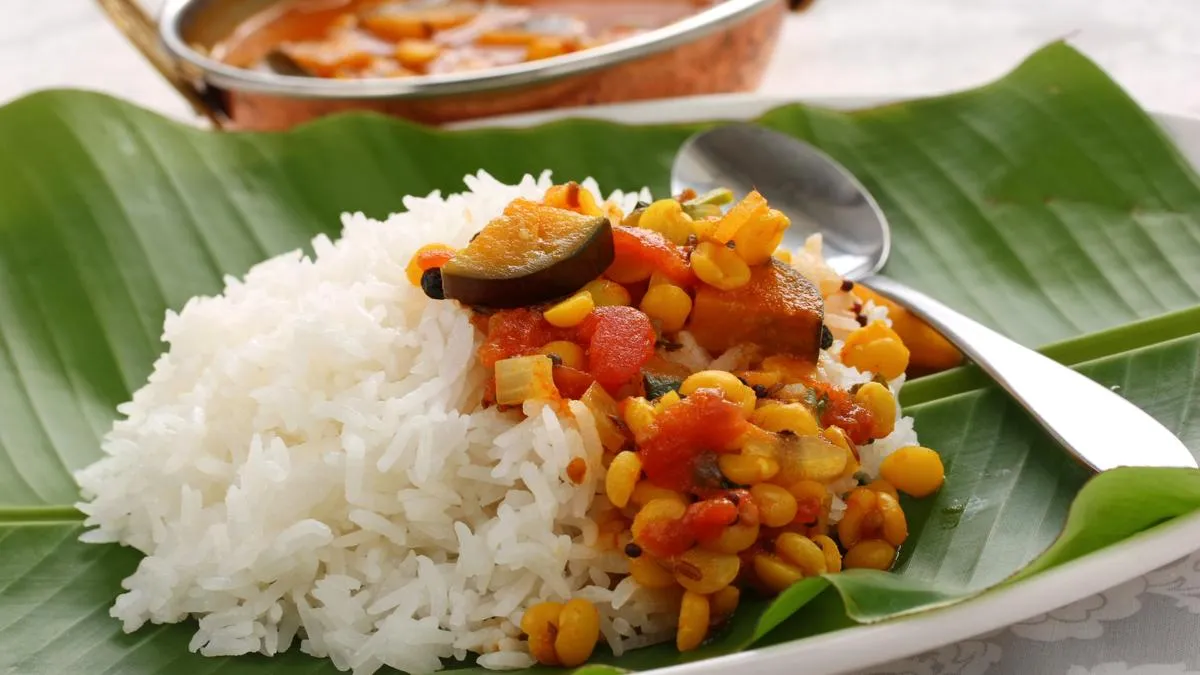
Dals play a central role in South Indian and Dalit kitchens, serving as a key protein source and culinary staple across regions and social classes. In South India, dals complement rice in diverse preparations shaped by local climates and traditions. In Marathwada, Maharashtra, dals sustained communities through droughts and scarcity, with families relying on various pulses despite challenges like adulteration and health risks. Both contexts highlight dals’ cultural and nutritional importance amid economic and environmental constraints.

Sentiment
62%
TBN's observations

First-hand measurement across 2 sources

We measured how 2 outlets covered this story. No outlet gave this story a measurable political slant — there is no left–right reading to report. Overall sentiment is positive (62/100). Lens Score 29/100.

Outlets measured: thehindu, thehindu. See how each one headlined and framed the same story in the source comparison below.

AI analysis of 2 sources · Published under editorial oversight by The Balanced News
Analysed 21 Nov 2026· How this analysis is produced· Editorial standards· Corrections

AI Analysis

Sentiment — Positive (62/100)

Sentiment was consistent across outlets (50–75/100), indicating broadly factual reporting rather than editorialising.

Coverage timeline

thehindu broke this story on 21 Nov, 12:36 am. Other outlets followed.

21 Nov, 12:36 am2 sources · 7 min21 Nov, 12:42 am
  1. 1
AI analysis by the TBN Bias Engine · beat methodology byAniket Awate· Culture & Digital Media Writer· editorial standards byOjas Kale
← Previous
Indian Culinary Scene Evolves with Tasting Menus, Chef Perspectives, and New Restaurant Opening
Next →
Dev Deepawali and November 2026 Beaver Moon Coincide on Kartik Purnima
thehindu21 Nov, 12:36 am
How dals sustained Dalit kitchens through drought, scarcity and social discrimination
  • 2
    thehindu21 Nov, 12:42 am
    Rice has a partner and South India has a thousand ways to cook it
  • Story context

    Category
    Lifestyle
    Location
    Kerala, India
    Sources analysed
    2
    Last analysed
    21 Nov 2026
    Key entities
    DalMeatVigna mungoLegumeMung beanSouth IndiaProteinRiceDosa (food)Leaf vegetableIdliTamil language