Experts Discuss Meal Timing and Calorie Intake Effects on PMOS Management
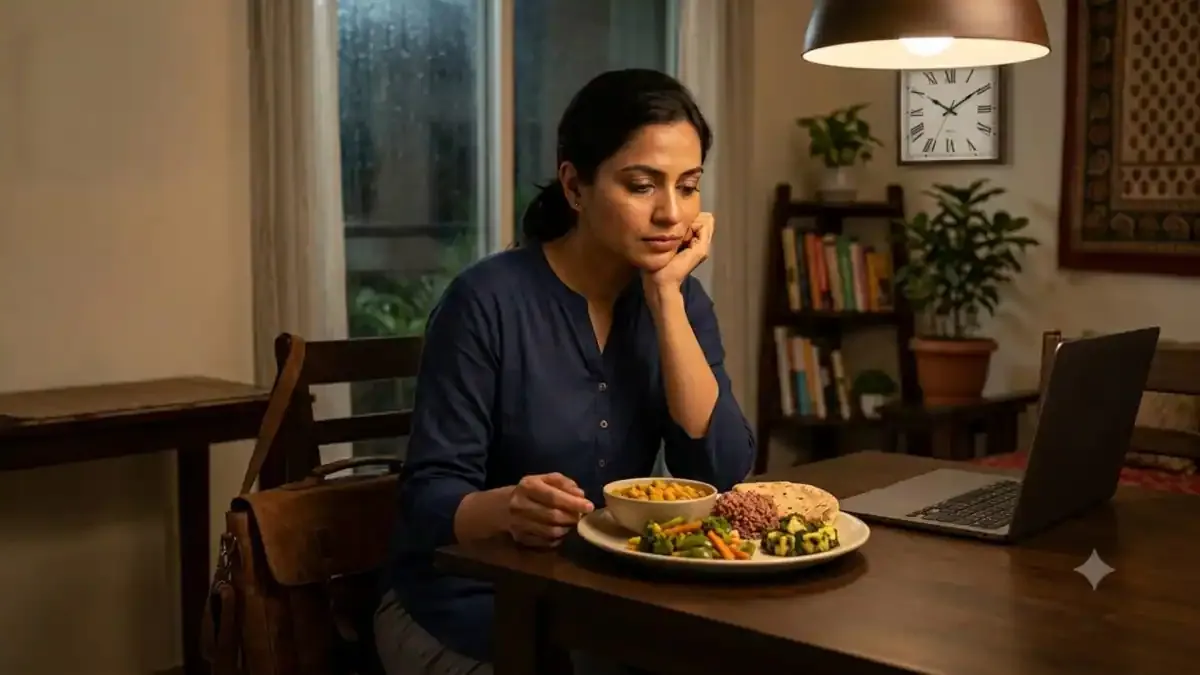
Experts discuss how lifestyle factors affect Polycystic Ovary Syndrome (PMOS), focusing on meal timing and calorie intake. Late dinners may impact insulin sensitivity and hormonal balance, with studies suggesting larger breakfasts improve metabolic markers. Conversely, extreme calorie restriction can cause nutritional deficiencies, muscle loss, and rebound weight gain, posing risks like electrolyte imbalance and elevated stress hormones. Specialists emphasize individualized, balanced approaches to diet and lifestyle for managing PMOS effectively.
First-hand measurement across 2 sources
We measured how 2 outlets covered this story. No outlet gave this story a measurable political slant — there is no left–right reading to report. Overall sentiment is neutral (52/100). Lens Score 40/100.
Outlets measured: firstpost, thetelegraph. See how each one headlined and framed the same story in the source comparison below.
AI Analysis
Sentiment was consistent across outlets (52–52/100), indicating broadly factual reporting rather than editorialising.
Coverage timeline
thetelegraph broke this story on 17 Sept, 09:16 am. Other outlets followed.