Skip to content
Get the Balanced News app for a better experience!
The Balanced News Logo
Analytics
The Balanced News Logo

Stay Balanced, Stay Informed

Menu
  • Browse News
  • Underreported Stories
  • Curated Feeds
  • Insights
  • Analytics
  • Our Writers
  • About Us
  • Download App
Learn
  • How It Works
  • Bias Detection
  • Lens Score
  • Source Bias Checker
  • Accountability
  • Custom Feeds
Newsroom
  • Writers & Analysts
  • About TBN
  • Editorial Standards
  • Corrections Policy
  • Our Partners
  • Insights
Socials
  • Youtube
  • Instagram
  • X
  • Facebook
News Categories
  • Trending
  • Politics
  • Sports
  • Business
  • Tech
  • Entertainment
  • Health
  • Science
  • Crime
  • Lifestyle
  • National
  • International
  • Good News
  • Crypto

Get Our App

Available for iOS and Android


LensFeedsInsightsAnalyticsTrendingGood NewsSportsPoliticsBusinessCrimeTechEntertainmentHealthNationalInternational

© 2026 The Balanced News. All rights reserved.

About UsEditorial StandardsCorrectionsHelp & SupportPrivacy PolicyTerms & Conditions
Navratri 2026: Common Spices and Use of Sendha Namak in Fasting Meals
Categories

Categories

Related Coverage

Select a news story to see related coverage from other media outlets.

Related Coverage

Select a news story to see related coverage from other media outlets.

  1. Home
  2. /
  3. Lifestyle

Navratri 2026: Common Spices and Use of Sendha Namak in Fasting Meals

Analysed 12 Oct 2026·2 sources analysed·India·Lifestyle
Navratri 2026: Common Spices and Use of Sendha Namak in Fasting MealsPreviousNext

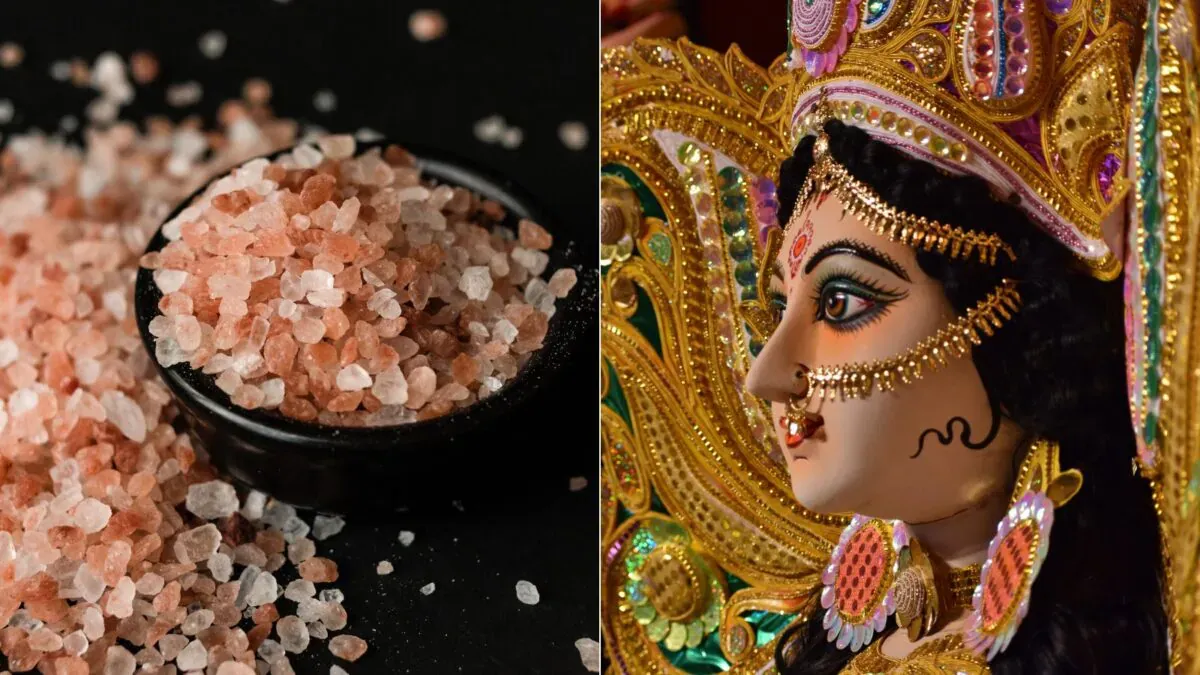
As Navratri 2026 approaches, devotees observe fasting traditions that influence their food choices, including the spices and salts used. Commonly accepted seasonings for vrat meals include cumin, black pepper, and sendha namak (rock salt), which is preferred over regular table salt due to religious customs and its natural origin. However, fasting rules vary widely across regions and families, with some avoiding ingredients like turmeric, mustard seeds, and regular salt. These variations reflect diverse practices during the nine-day festival from October 11 to 19.

Sentiment
50%
TBN's observations

First-hand measurement across 2 sources

We measured how 2 outlets covered this story. No outlet gave this story a measurable political slant — there is no left–right reading to report. Overall sentiment is neutral (50/100). Lens Score 35/100.

Outlets measured: news18, news18. See how each one headlined and framed the same story in the source comparison below.

AI analysis of 2 sources · Published under editorial oversight by The Balanced News
Analysed 12 Oct 2026· How this analysis is produced· Editorial standards· Corrections

AI Analysis

Sentiment — Neutral (50/100)

Sentiment was consistent across outlets (50–50/100), indicating broadly factual reporting rather than editorialising.

Coverage timeline

news18 broke this story on 12 Oct, 09:16 am. Other outlets followed.

12 Oct, 09:16 am2 sources · 57 min12 Oct, 10:13 am
  1. 1
AI analysis by the TBN Bias Engine · beat methodology byAniket Awate· Culture & Digital Media Writer· editorial standards byOjas Kale
← Previous
Growing Demand for Personalized Doctor-Guided Skincare and Advanced Treatments in Delhi
Next →
Understanding Sub-Limits and Deductibles in Health Insurance Claims
news1812 Oct, 09:16 am
Navratri 2026: Spices You Can Add To Your Vrat Meals And Those To Avoid
  • 2
    news1812 Oct, 10:13 am
    Navratri 2026: Why Do Devotees Use Sendha Namak Instead Of Table Salt?
  • Story context

    Category
    Lifestyle
    Location
    India
    Sources analysed
    2
    Last analysed
    12 Oct 2026
    Key entities
    FastingNavaratriSaltPotatoIndiaKhichdi (dish)CuminBlack pepperSpiceUmamiCardamomChocolate