Exploring Bengal and India's Culinary Traditions: Refugee Influences, Biryani, and Cutlets
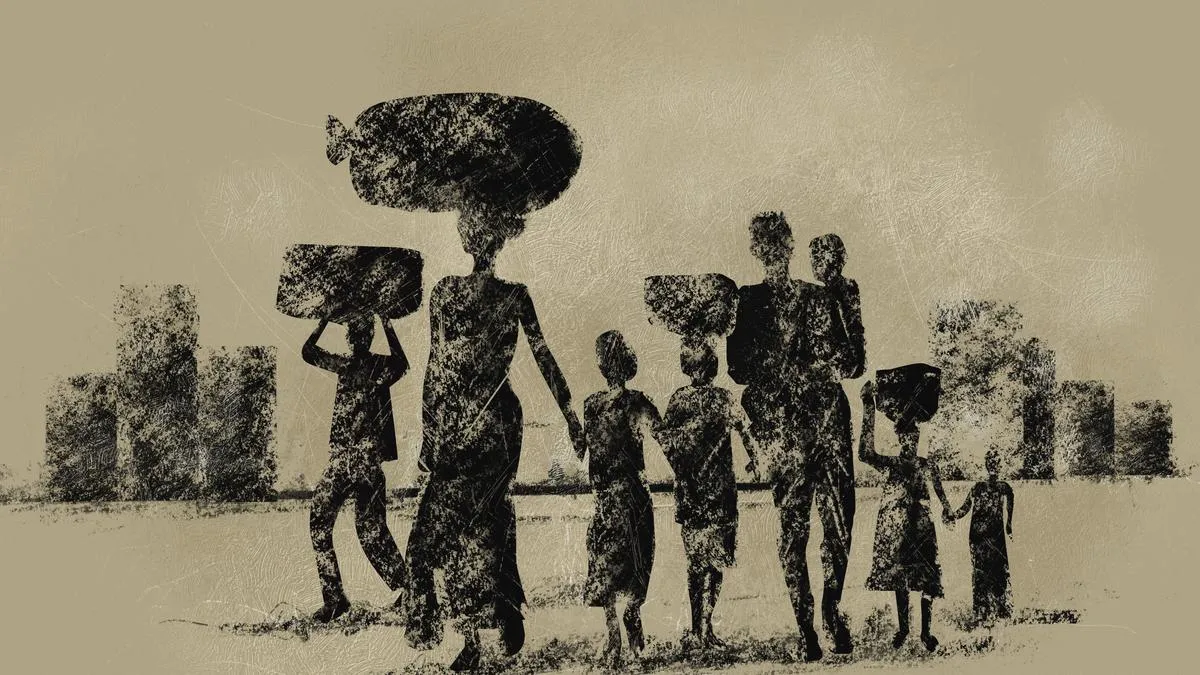
These articles explore the rich culinary heritage shaped by historical and cultural influences in Bengal and India. The first highlights how refugees from East Bengal adapted their food traditions during the 1947 Partition, creating sustainable cooking practices. The second focuses on Barrackpore's emergence as a popular biryani hub, driven by iconic eateries like Dada Boudi. The third traces India's fondness for various meat cutlets and chops, reflecting colonial influences and regional adaptations across the country.
First-hand measurement across 3 sources
We measured how 3 outlets covered this story. Coverage leans balanced overall (Left 3%, Centre 97%, Right 0%). Overall sentiment is positive (75/100). Lens Score 27/100 — low public interest.
Outlets analysed (first-hand measurement by TBN's Bias Engine):
- thehindu— balanced framing, positive sentiment
- mint— balanced framing, positive sentiment
- indianexpress— balanced framing, positive sentiment
AI Analysis
The articles primarily present cultural and historical perspectives without explicit political framing. They include viewpoints on refugee experiences, regional food developments, and colonial culinary influences, reflecting social and historical contexts rather than partisan positions. The coverage is descriptive, focusing on heritage and community narratives rather than political debate.
The tone across the articles is generally positive and celebratory, emphasizing culinary creativity, cultural resilience, and regional pride. While acknowledging challenges faced by refugees, the sentiment highlights adaptation and survival through food. The coverage of popular eateries and traditional dishes conveys enthusiasm and appreciation without critical or negative language.
How 3 sources covered this story
Each source's own headline, political lean, and sentiment — so you can see framing differences at a glance.