Kolkata Faces Fresh Hilsa Shortage as Frozen Myanmar Fish Dominates Markets
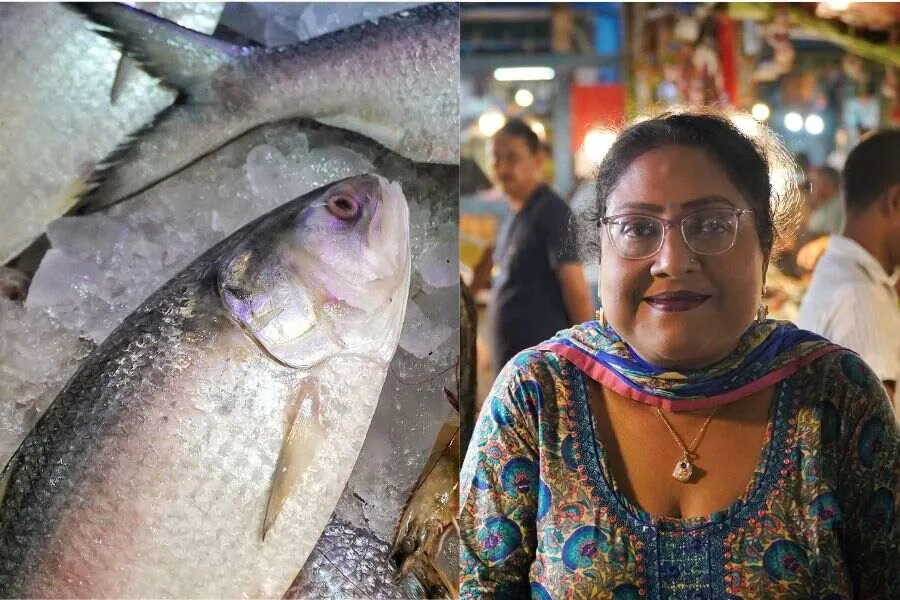
Kolkata's hilsa season has begun amid scarce supplies of fresh fish, with markets largely stocked by frozen Myanmar hilsa due to low arrivals of fresh catches, including the absence of Bangladesh's Padma hilsa. Prices for fresh hilsa remain high, prompting consumers to rely on cold-storage fish despite concerns over taste and texture. Chef Nayana Afroz advises buyers to select fresh hilsa by checking firmness, shape, gills, and eyes to ensure quality as supplies gradually increase.
First-hand measurement across 2 sources
We measured how 2 outlets covered this story. Coverage leans balanced overall (Left 5%, Centre 93%, Right 2%). Overall sentiment is neutral (50/100). Lens Score 30/100 — low public interest.
Outlets analysed (first-hand measurement by TBN's Bias Engine):
- thetelegraph— balanced framing, negative sentiment
- thetelegraph— balanced framing, positive sentiment
AI Analysis
The articles primarily present market and consumer perspectives without explicit political framing. They mention Bangladesh's export policies factually, noting past bans and approvals, but do not delve into political implications. The coverage focuses on supply issues and consumer experiences, reflecting economic and trade aspects rather than partisan viewpoints.
The overall tone is mixed, combining concern over the scarcity and high prices of fresh hilsa with practical advice for consumers. While the shortage and reliance on frozen fish are presented as challenges, the inclusion of expert tips offers a constructive angle. The sentiment balances disappointment with helpful information, avoiding overtly negative or positive language.
How 2 sources covered this story
Each source's own headline, political lean, and sentiment — so you can see framing differences at a glance.