Skip to content
Get the Balanced News app for a better experience!
The Balanced News Logo
Analytics
The Balanced News Logo

Stay Balanced, Stay Informed

Menu
  • Browse News
  • Underreported Stories
  • Curated Feeds
  • Insights
  • Analytics
  • Our Writers
  • About Us
  • Download App
Learn
  • How It Works
  • Bias Detection
  • Lens Score
  • Source Bias Checker
  • Accountability
  • Custom Feeds
Newsroom
  • Writers & Analysts
  • About TBN
  • Editorial Standards
  • Corrections Policy
  • Our Partners
  • Insights
Socials
  • Youtube
  • Instagram
  • X
  • Facebook
News Categories
  • Trending
  • Politics
  • Sports
  • Business
  • Tech
  • Entertainment
  • Health
  • Science
  • Crime
  • Lifestyle
  • National
  • International
  • Good News
  • Crypto

Get Our App

Available for iOS and Android


LensFeedsInsightsAnalyticsTrendingGood NewsSportsPoliticsBusinessCrimeTechEntertainmentHealthNationalInternational

© 2026 The Balanced News. All rights reserved.

About UsEditorial StandardsCorrectionsHelp & SupportPrivacy PolicyTerms & Conditions
Traditional and Creative Rangoli Practices During Indian Festivals
Categories

Categories

Related Coverage

Select a news story to see related coverage from other media outlets.

Related Coverage

Select a news story to see related coverage from other media outlets.

  1. Home
  2. /
  3. Lifestyle

Traditional and Creative Rangoli Practices During Indian Festivals

Analysed 5 Nov 2026·2 sources analysed·India·Lifestyle
Traditional and Creative Rangoli Practices During Indian FestivalsPreviousNext

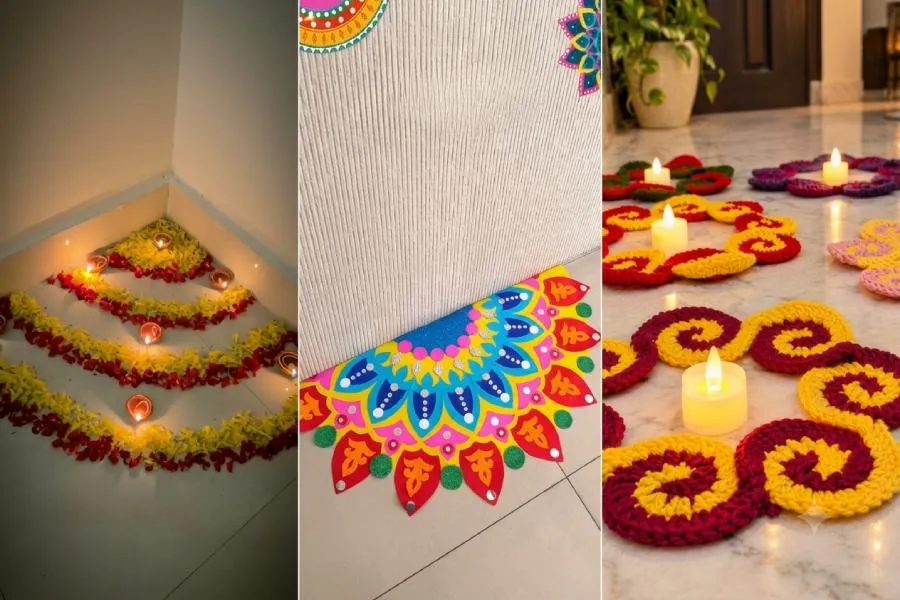
Rangoli, a traditional Indian art form, is widely used during festivals like Diwali to welcome guests and deities, symbolizing prosperity and positive energy. Traditionally made with natural materials like rice flour, rangoli designs vary from geometric patterns to floral motifs. Recent trends include creative alternatives such as flower petals, paper cutouts, cardboard pieces, and woollen mats, offering eco-friendly and innovative ways to celebrate while maintaining cultural significance.

Sentiment
78%
TBN's observations

First-hand measurement across 2 sources

We measured how 2 outlets covered this story. No outlet gave this story a measurable political slant — there is no left–right reading to report. Overall sentiment is positive (78/100). Lens Score 24/100.

Outlets measured: thetelegraph, news18. See how each one headlined and framed the same story in the source comparison below.

AI analysis of 2 sources · Published under editorial oversight by The Balanced News
Analysed 5 Nov 2026· How this analysis is produced· Editorial standards· Corrections

AI Analysis

Sentiment — Positive (78/100)

Sentiment was consistent across outlets (78–78/100), indicating broadly factual reporting rather than editorialising.

Coverage timeline

news18 broke this story on 5 Nov, 05:37 am. Other outlets followed.

5 Nov, 05:37 am2 sources · 2 h5 Nov, 07:16 am
  1. 1
AI analysis by the TBN Bias Engine · beat methodology byAniket Awate· Culture & Digital Media Writer· editorial standards byOjas Kale
← Previous
Diwali Fashion Embraces Modern Silhouettes and Traditional Craftsmanship
Next →
Govardhan Puja 2026: Significance of Chhappan Bhog and 56 Food Offerings
news185 Nov, 05:37 am
More Than Just Decoration: 6 Cultural Reasons Why Rangoli Is Made During Festivals
  • 2
    thetelegraph5 Nov, 07:16 am
    Phoolgoli, paper designs and woollen mats: 5 ways to rethink your Diwali rangoli
  • Story context

    Category
    Lifestyle
    Location
    India
    Sources analysed
    2
    Last analysed
    5 Nov 2026
    Key entities
    RangoliDiwaliDiya (lamp)FlowerRice flourIndiaPexelsLakshmiPeafowlCulture of IndiaRitualNelumbo nucifera