Skip to content
Get the Balanced News app for a better experience!
The Balanced News Logo
Analytics
The Balanced News Logo

Stay Balanced, Stay Informed

Menu
  • Browse News
  • Underreported Stories
  • Curated Feeds
  • Insights
  • Analytics
  • Our Writers
  • About Us
  • Download App
Learn
  • How It Works
  • Bias Detection
  • Lens Score
  • Source Bias Checker
  • Accountability
  • Custom Feeds
Newsroom
  • Writers & Analysts
  • About TBN
  • Editorial Standards
  • Corrections Policy
  • Our Partners
  • Insights
Socials
  • Youtube
  • Instagram
  • X
  • Facebook
News Categories
  • Trending
  • Politics
  • Sports
  • Business
  • Tech
  • Entertainment
  • Health
  • Science
  • Crime
  • Lifestyle
  • National
  • International
  • Good News
  • Crypto

Get Our App

Available for iOS and Android


LensFeedsInsightsAnalyticsTrendingGood NewsSportsPoliticsBusinessCrimeTechEntertainmentHealthNationalInternational

© 2026 The Balanced News. All rights reserved.

About UsEditorial StandardsCorrectionsHelp & SupportPrivacy PolicyTerms & Conditions
Neurologist Explains Link Between Visceral Fat and Cognitive Decline Risk
Categories

Categories

Related Coverage

Select a news story to see related coverage from other media outlets.

Related Coverage

Select a news story to see related coverage from other media outlets.

  1. Home
  2. /
  3. Lifestyle

Neurologist Explains Link Between Visceral Fat and Cognitive Decline Risk

Analysed 23 Jul 2026·2 sources analysed·Lifestyle
Neurologist Explains Link Between Visceral Fat and Cognitive Decline RiskPreviousNext

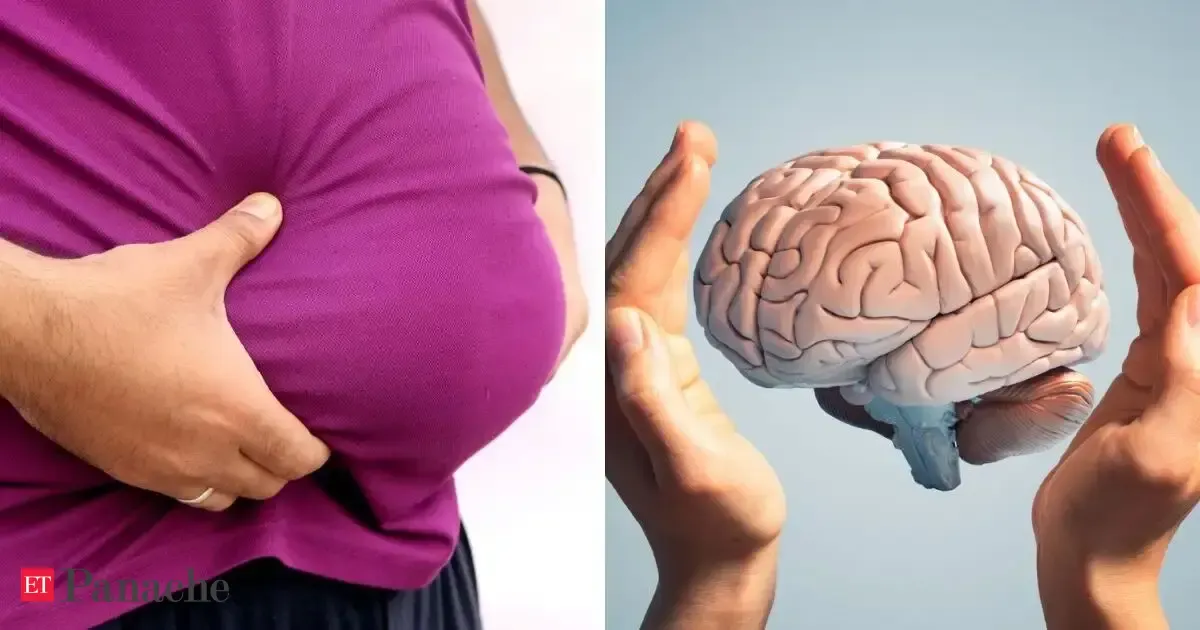
Top neurologist Dr Sudhir Kumar highlights the link between visceral fat—deep abdominal fat surrounding organs—and cognitive decline, including memory loss and increased dementia risk. Unlike subcutaneous fat, visceral fat releases inflammatory chemicals harmful to brain cells. Research associates higher visceral fat with poorer executive function and slower information processing. Dr Kumar emphasizes that visceral fat is modifiable through lifestyle changes like diet and exercise, making waist circumference a key health indicator for brain health alongside metabolic conditions.

Sentiment
55%
TBN's observations

First-hand measurement across 2 sources

We measured how 2 outlets covered this story. No outlet gave this story a measurable political slant — there is no left–right reading to report. Overall sentiment is neutral (55/100). Lens Score 38/100.

Outlets measured: hindustantimes, economictimes. See how each one headlined and framed the same story in the source comparison below.

AI analysis of 2 sources · Published under editorial oversight by The Balanced News
Analysed 23 Jul 2026· How this analysis is produced· Editorial standards· Corrections

AI Analysis

Sentiment — Neutral (55/100)

Sentiment was consistent across outlets (55–55/100), indicating broadly factual reporting rather than editorialising.

Coverage timeline

economictimes broke this story on 22 Jul, 01:36 pm. Other outlets followed.

22 Jul, 01:36 pm2 sources · 12 h23 Jul, 02:02 am
AI analysis by the TBN Bias Engine · beat methodology byAniket Awate· Culture & Digital Media Writer· editorial standards byOjas Kale
← Previous
Experts Advise Daily Habits to Support Brain Health and Slow Ageing
Next →
India Embraces Agave Spirits with New Bar and Global Tequila Week Launch
1
economictimes22 Jul, 01:36 pm
Can belly fat shrink your brain? Top neurologist explains the hidden link between visceral fat, memory loss, and dementia risk
  • 2
    hindustantimes23 Jul, 02:02 am
    Can belly fat affect your brain? Neurologist Dr Sudhir Kumar explains how what's good for your waist is good for brain
  • Who's involved

    Institutions and figures named across source coverage.

    Corporate
    Apollo Hospitals

    Story context

    Category
    Lifestyle
    Sources analysed
    2
    Last analysed
    23 Jul 2026
    Key entities
    Adipose tissueNeurologyDementiaBrainCognitionDiabetesOrgan (biology)MetabolismInflammationNeuronChemical substanceAmnesia