Skip to content
Get the Balanced News app for a better experience!
The Balanced News Logo
Analytics
The Balanced News Logo

Stay Balanced, Stay Informed

Menu
  • Browse News
  • Underreported Stories
  • Curated Feeds
  • Insights
  • Analytics
  • Our Writers
  • About Us
  • Download App
Learn
  • How It Works
  • Bias Detection
  • Lens Score
  • Source Bias Checker
  • Accountability
  • Custom Feeds
Newsroom
  • Writers & Analysts
  • About TBN
  • Editorial Standards
  • Corrections Policy
  • Our Partners
  • Insights
Socials
  • Youtube
  • Instagram
  • X
  • Facebook
News Categories
  • Trending
  • Politics
  • Sports
  • Business
  • Tech
  • Entertainment
  • Health
  • Science
  • Crime
  • Lifestyle
  • National
  • International
  • Good News
  • Crypto

Get Our App

Available for iOS and Android


LensFeedsInsightsAnalyticsTrendingGood NewsSportsPoliticsBusinessCrimeTechEntertainmentHealthNationalInternational

© 2026 The Balanced News. All rights reserved.

About UsEditorial StandardsCorrectionsHelp & SupportPrivacy PolicyTerms & Conditions
Smartwatches, Blood Pressure, Sleep, and Stroke Risks: Insights on Prevention and Awareness
Categories

Categories

Related Coverage

Select a news story to see related coverage from other media outlets.

Related Coverage

Select a news story to see related coverage from other media outlets.

  1. Home
  2. /
  3. Lifestyle

Smartwatches, Blood Pressure, Sleep, and Stroke Risks: Insights on Prevention and Awareness

Analysed 29 Oct 2026·5 sources analysed·Mumbai, India·Lifestyle
Smartwatches, Blood Pressure, Sleep, and Stroke Risks: Insights on Prevention and AwarenessPreviousNext

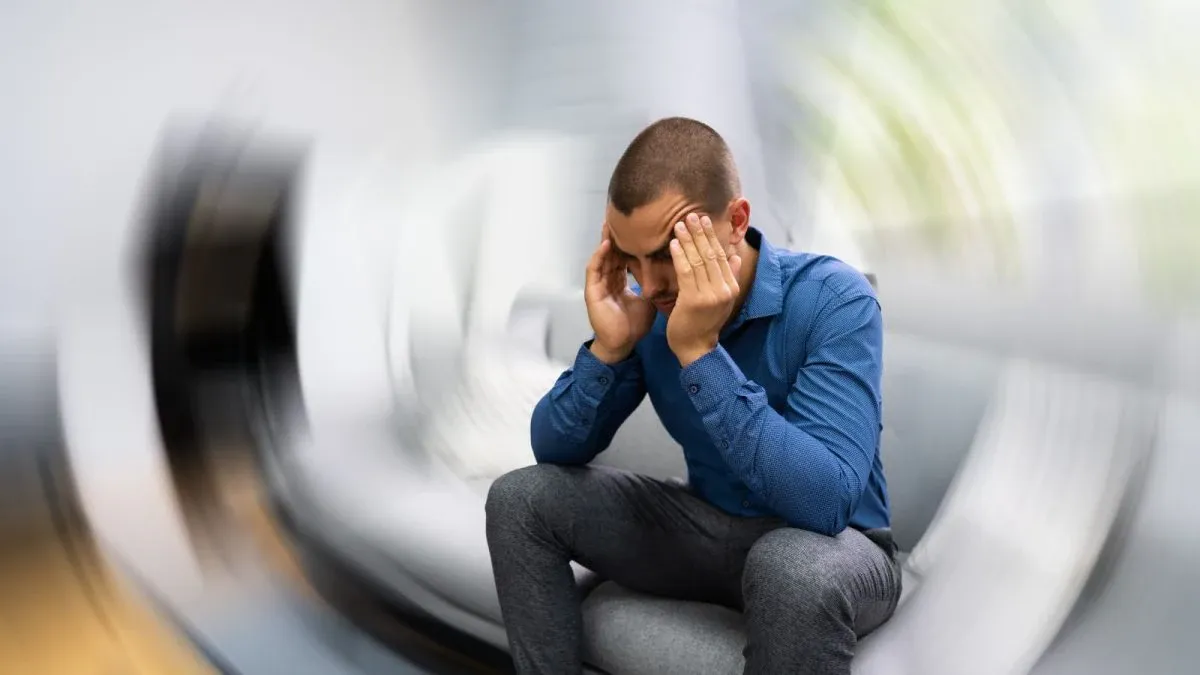
Smartwatches now track health metrics like heart rate, sleep, and physical activity, helping users monitor wellness but not replace medical advice. High blood pressure, often symptomless, is a major stroke risk by damaging blood vessels over time. Stroke can affect healthy individuals without prior conditions, with early symptom recognition crucial for treatment. Poor sleep and irregular bedtimes may indirectly increase stroke risk by impacting cardiovascular health, though they are not direct causes. Awareness and monitoring remain key for prevention and timely care.

Sentiment
54%
TBN's observations

First-hand measurement across 5 sources

We measured how 5 outlets covered this story. No outlet gave this story a measurable political slant — there is no left–right reading to report. Overall sentiment is neutral (54/100). Lens Score 41/100.

Outlets measured: news18, timesnow, firstpost, ndtv, ndtv. See how each one headlined and framed the same story in the source comparison below.

AI analysis of 5 sources · Published under editorial oversight by The Balanced News
Analysed 29 Oct 2026· How this analysis is produced· Editorial standards· Corrections

AI Analysis

Sentiment — Neutral (54/100)

Sentiment was consistent across outlets (52–55/100), indicating broadly factual reporting rather than editorialising.

Coverage timeline

ndtv broke this story on 28 Oct, 08:23 am. Other outlets followed.

28 Oct, 08:23 am5 sources · 21 h29 Oct, 05:38 am
AI analysis by the TBN Bias Engine · beat methodology byAniket Awate· Culture & Digital Media Writer· editorial standards byOjas Kale
← Previous
Two Indian Restaurants Featured in Asia's 50 Best Restaurants 2026 List
Next →
Profiles of Indian Professionals and Entrepreneurs Advancing Health and Business
  1. 1
    ndtv28 Oct, 08:23 am
    Step Counts To Sleep Scores, Smartwatches Can Shape Health Habits. Here's How
  2. 2
    ndtv28 Oct, 09:42 am
    High Blood Pressure Without Symptoms: The Silent Risk Factor Behind Many Strokes
  3. 3
    firstpost28 Oct, 11:50 am
    World Stroke Day 2026: Can healthy people have a stroke? Doctors explain warning signs you should never ignore
  4. 4
    timesnow29 Oct, 05:02 am
    World Stroke Day: Can Poor Sleep and Irregular Bedtimes Cause Strokes?
  5. 5
    news1829 Oct, 05:38 am
    World Stroke Day 2026: Can A Mini-Stroke Go Unnoticed? 7 Symptoms You Should Never Ignore

Story context

Category
Lifestyle
Location
Mumbai, India
Sources analysed
5
Last analysed
29 Oct 2026
Key entities
StrokeDiabetesNeurologyBrainBlood vesselHypertensionRisk factorFatigueDizzinessPhysical activityArrhythmiaCardiovascular disease