ECI Clarifies Aadhaar Use for Identity, Not Citizenship, in Bihar Voter List to Supreme Court
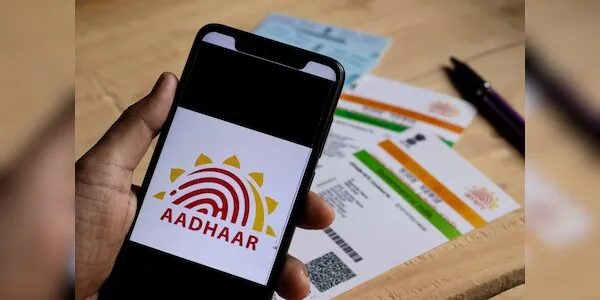
The Election Commission of India (ECI) has informed the Supreme Court that Aadhaar cards will be used solely for identity verification, not as proof of citizenship, during Bihar's voter list revisions. This follows a Supreme Court clarification on September 8, 2025, and subsequent ECI instructions on September 9, 2025, to Bihar's Chief Electoral Officer. The ECI's stance, filed in response to an application by advocate Ashwini Kumar Upadhyay, emphasizes that Aadhaar's use is limited to establishing identity under Section 23(4) of the Representation of the People Act, 1950, aligning with UIDAI's position that Aadhaar is not proof of citizenship.
First-hand measurement across 10 sources
We measured how 10 outlets covered this story. Coverage leans balanced overall (Left 31%, Centre 38%, Right 31%). Overall sentiment is neutral (55/100).
Outlets measured: thetribune, news18, hindustantimes, thetribune, thetelegraph, businessstandard, freepressjournal, oneindia, and 2 more. See how each one headlined and framed the same story in the source comparison below.
AI Analysis
All 10 outlets scored close to centre on political lean. The real divergence here is in emphasis, not lean — compare the headlines below to see how each outlet chose to frame the same facts.
Sentiment was consistent across outlets (55–55/100), indicating broadly factual reporting rather than editorialising.
Coverage timeline
economictimes broke this story on 15 Nov, 10:06 am. Other outlets followed.