Ayodhya Bar Association Refuses to Defend Accused in Ram Temple Funds Case Despite Supreme Court Ruling
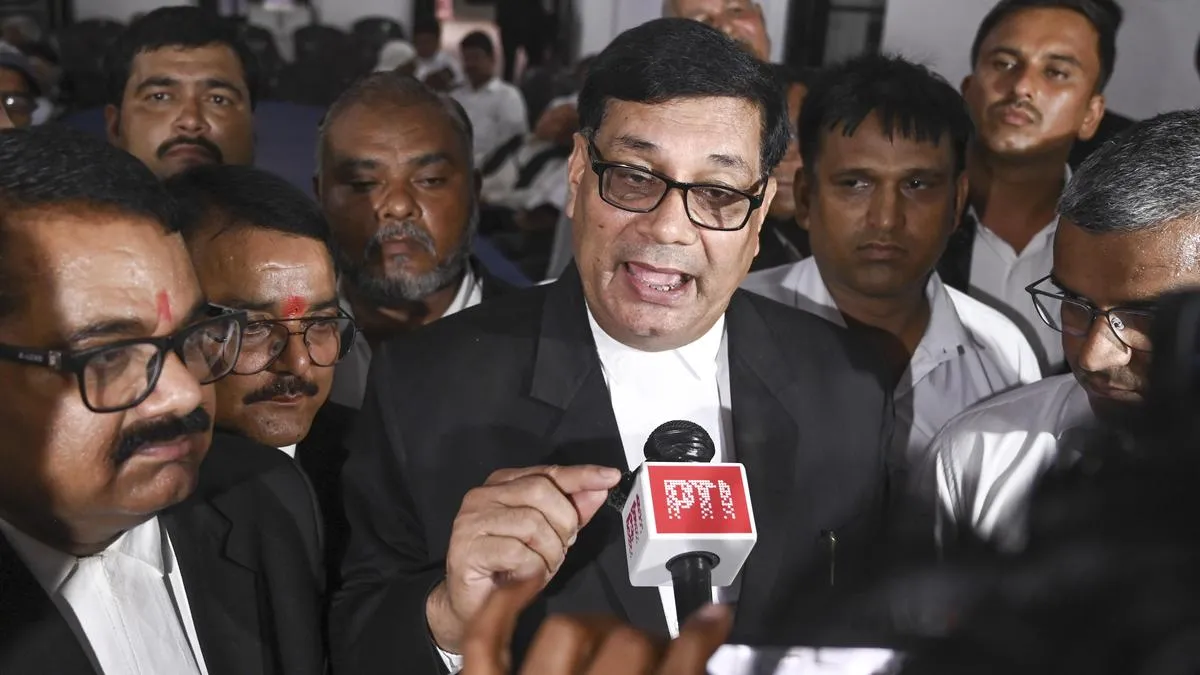
The Ayodhya Bar Association has resolved not to represent the eight accused in the Ram Temple embezzlement case, imposing fines on lawyers who do. This stance conflicts with a 2010 Supreme Court ruling affirming that every accused, regardless of public opinion, has the constitutional right under Article 22(1) to legal representation. The Court emphasized that Bar associations cannot bar lawyers from defending clients, citing professional ethics and constitutional protections for fair legal defense.
First-hand measurement across 2 sources
We measured how 2 outlets covered this story. Coverage leans balanced overall (Left 15%, Centre 80%, Right 5%). Overall sentiment is neutral (52/100). Lens Score 37/100 — moderate-to-low public interest.
Outlets analysed (first-hand measurement by TBN's Bias Engine):
- thehindu— balanced framing, neutral sentiment
- indianexpress— balanced framing, neutral sentiment
AI Analysis
The articles present legal and ethical perspectives without partisan framing, focusing on constitutional rights and professional conduct. They highlight the Bar Association's decision alongside Supreme Court judgments, reflecting institutional viewpoints rather than political positions. The coverage includes references to legal provisions and judicial opinions, maintaining a neutral stance on the controversy.
The tone across the articles is primarily neutral and informative, emphasizing legal principles and ethical standards. While the Bar Association's refusal is noted, the coverage avoids emotive language, focusing instead on constitutional rights and judicial precedents. The sentiment is balanced, presenting facts and legal context without expressing approval or condemnation.
How 2 sources covered this story
Each source's own headline, political lean, and sentiment — so you can see framing differences at a glance.