Skip to content
Get the Balanced News app for a better experience!
The Balanced News Logo
Analytics
The Balanced News Logo

Stay Balanced, Stay Informed

Menu
  • Browse News
  • Underreported Stories
  • Curated Feeds
  • Insights
  • Analytics
  • Our Writers
  • About Us
  • Download App
Learn
  • How It Works
  • Bias Detection
  • Lens Score
  • Source Bias Checker
  • Accountability
  • Custom Feeds
Newsroom
  • Writers & Analysts
  • About TBN
  • Editorial Standards
  • Corrections Policy
  • Our Partners
  • Insights
Socials
  • Youtube
  • Instagram
  • X
  • Facebook
News Categories
  • Trending
  • Politics
  • Sports
  • Business
  • Tech
  • Entertainment
  • Health
  • Science
  • Crime
  • Lifestyle
  • National
  • International
  • Good News
  • Crypto

Get Our App

Available for iOS and Android


LensFeedsInsightsAnalyticsTrendingGood NewsSportsPoliticsBusinessCrimeTechEntertainmentHealthNationalInternational

© 2026 The Balanced News. All rights reserved.

About UsEditorial StandardsCorrectionsHelp & SupportPrivacy PolicyTerms & Conditions
India, Japan, and Australia Consider Leadership Amid US Indo-Pacific Strategy Changes
Categories

Categories

Related Coverage

Select a news story to see related coverage from other media outlets.

Related Coverage

Select a news story to see related coverage from other media outlets.

  1. Home
  2. /
  3. Politics

India, Japan, and Australia Consider Leadership Amid US Indo-Pacific Strategy Changes

Analysed 2 Jul 2026·13 sources analysed·Tokyo, Japan·Politics
India, Japan, and Australia Consider Leadership Amid US Indo-Pacific Strategy ChangesPreviousNext

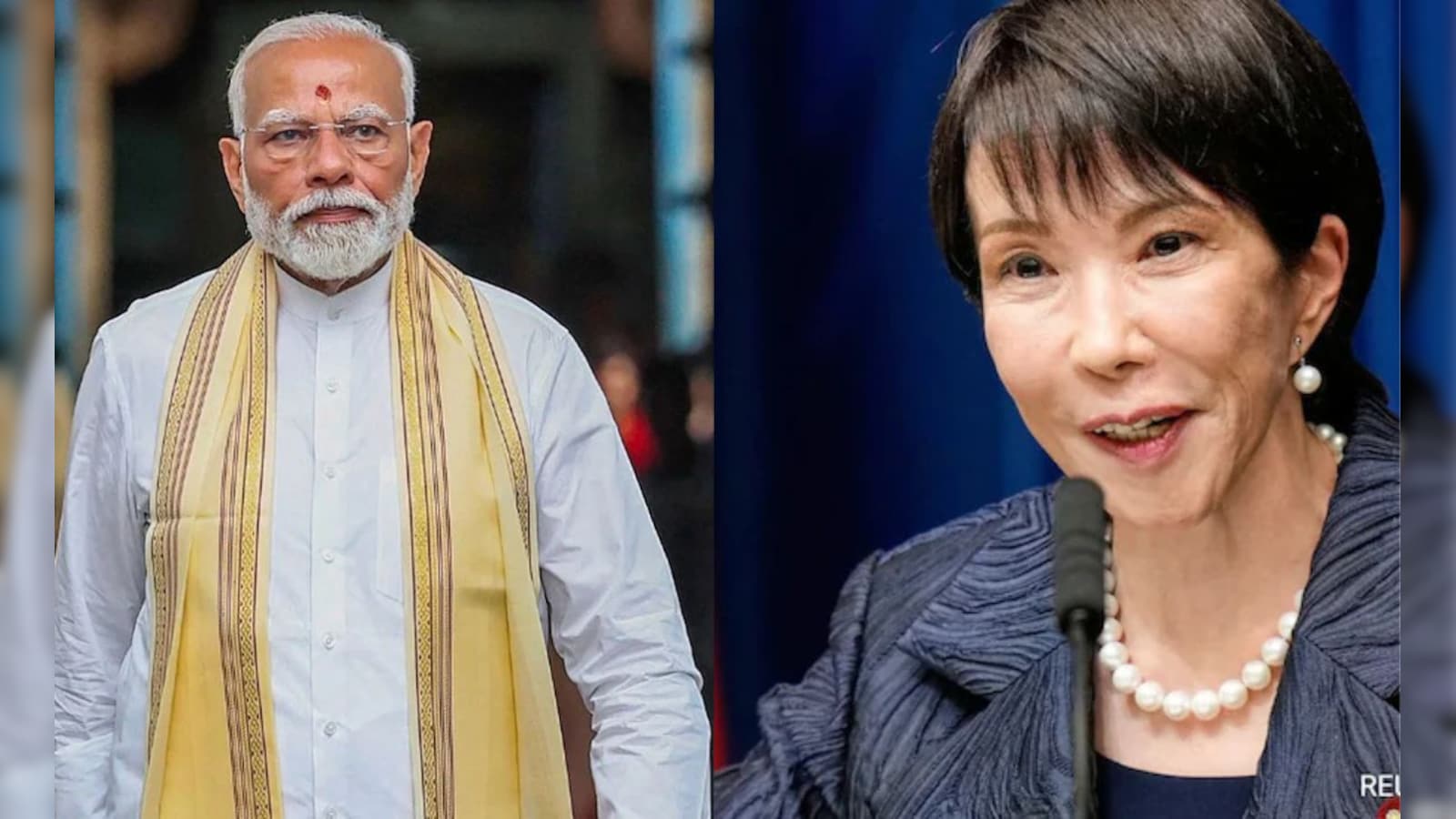
Recent shifts in the United States' Indo-Pacific strategy, including renaming the Indo-Pacific Command to Pacific Command, have sparked debate about Washington's regional commitment. While some view this as a retreat, others see it as a strategic recalibration amid America's broader identity search. Japan, India, and Australia, as original proponents of the Indo-Pacific concept, are encouraged to reaffirm their cooperation to sustain a rules-based maritime order. Their collaboration may shape the region's future amid evolving geopolitical dynamics and fluctuating US engagement.

TBN's observations

First-hand measurement across 13 sources

We measured how 13 outlets covered this story. Coverage leans balanced overall (Left 11%, Centre 81%, Right 8%). Overall sentiment is neutral (61/100). Lens Score 21/100 — low public interest.

Outlets analysed (first-hand measurement by TBN's Bias Engine):

  • thetribune— balanced framing, neutral sentiment
  • economictimes— balanced framing, neutral sentiment
  • indianexpress— balanced framing, neutral sentiment
  • ndtv— balanced framing, neutral sentiment
  • firstpost— balanced framing, positive sentiment
  • ndtv— balanced framing, positive sentiment
  • hindustantimes— balanced framing, neutral sentiment
  • firstpost— balanced framing, positive sentiment
Political Bias
11%81%8%
Sentiment
61%
AI analysis of 13 sources · Published under editorial oversight by The Balanced News
Analysed 2 Jul 2026· How this analysis is produced· Editorial standards· Corrections

AI Analysis

Political bias across 13 sources
● Left 11%● Center 81%● Right 8%

The article group presents multiple perspectives on US strategic shifts, including views that interpret the renaming of the Indo-Pacific Command as either a symbolic bureaucratic change or a sign of reduced American engagement. Sources emphasize the roles of India, Japan, and Australia as key regional actors, reflecting a focus on middle-power leadership. The coverage balances US policy analysis with regional diplomatic initiatives, avoiding partisan framing and highlighting diverse geopolitical interpretations.

Sentiment — Neutral (61/100)

The overall tone across the articles is measured and analytical, combining cautious concern about US strategic adjustments with optimism about regional cooperation among India, Japan, and Australia. While some sources express apprehension about potential US retreat, others highlight opportunities for these democracies to strengthen their partnership. The sentiment is thus mixed but constructive, focusing on strategic adaptation rather than alarm or celebration.

Reviewed byPrajakta Kale· Political Analyst· Edited byOjas Kale
← Previous
Canada and Philippines Agree to Conclude Free Trade Deal and Strengthen Strategic Partnership
Next →
BJP Plans Organizational Reshuffle with New Team Announcement Expected Soon

How 13 sources covered this story

Each source's own headline, political lean, and sentiment — so you can see framing differences at a glance.

SourceTheir headlineBiasSentiment
thetribuneBeyond US-China rivalry - The TribuneCenterNeutral
economictimesDesperately play catch-up: In the last year, India has appeared tired and enervated - time to turn the pageCenterNeutral
indianexpressUnder Trump, US is retreating from Indo-Pacific. That opens the door for India, Japan and AustraliaCenterNeutral
ndtv"Reading Too Much Into It...": At NDTV's Indo-Japan Summit, Piyush Goyal On US' Pacific Command MoveCenterNeutral
firstpostThe 'Sons of Saraswati' have a shared destiny: Sanae Takaichi's visit signals a new Bharat-Japan eraCenterPositive
ndtvOpinion How India And Japan Can Together Navigate US' Shifting Indo-Pacific StrategyCenterPositive
hindustantimesWith a renamed US Pacific Command, understanding the changing strategic logic of the Indo-PacificCenterNeutral
firstpostWakon Yōsai: The hidden grammar of the India-Japan embraceCenterPositive
firstpostMy name is Pakistan: I was an Arab yesterday, a Harappan todayLeftNeutral
thestatesmanSoft power now speaks a new languageCenterPositive
hindustantimesCivilisational wisdom still matters in the age of AICenterPositive
firstpostOil built Indo-Gulf ties; talent and knowledge will shape what comes nextCenterPositive
news18Opinion 12 Years Of Vikas Bhi, Virasat BhiRightPositive

Coverage timeline

news18 broke this story on 30 Jun, 09:50 am. Other outlets followed.

  1. 1
    news1830 Jun, 09:50 am
    Opinion 12 Years Of Vikas Bhi, Virasat Bhi
  2. 2
    firstpost30 Jun, 10:04 am
    Oil built Indo-Gulf ties; talent and knowledge will shape what comes next
  3. 3
    hindustantimes30 Jun, 10:44 am
    Civilisational wisdom still matters in the age of AI
  4. 4
    thestatesman1 Jul, 03:40 am
    Soft power now speaks a new language
  5. 5
    firstpost1 Jul, 07:22 am
    My name is Pakistan: I was an Arab yesterday, a Harappan today
  6. 6
    firstpost1 Jul, 08:36 am
    Wakon Yōsai: The hidden grammar of the India-Japan embrace
  7. 7
    hindustantimes2 Jul, 01:35 am
    With a renamed US Pacific Command, understanding the changing strategic logic of the Indo-Pacific
  8. 8
    ndtv2 Jul, 04:52 am
    Opinion How India And Japan Can Together Navigate US' Shifting Indo-Pacific Strategy
  9. 9
    firstpost2 Jul, 05:39 am
    The 'Sons of Saraswati' have a shared destiny: Sanae Takaichi's visit signals a new Bharat-Japan era
  10. 10
    ndtv2 Jul, 06:37 am
    "Reading Too Much Into It...": At NDTV's Indo-Japan Summit, Piyush Goyal On US' Pacific Command Move

Lens Score breakdown

21/100
Public interest0/100
Coverage gap80%

Well-covered story — coverage matches public importance.

Who's involved

Institutions and figures named across source coverage.

Government
Military EstablishmentIndian GovernmentFederal Bureau of PakistanMinistry of CultureJapanese GovernmentSaudi Arabia Vision 2030UAE National AI StrategyUAE PresidencyQatar Digital Agenda 2030Ministry of TourismPrime Minister's Office
Political
Bharatiya Janata PartyPakistan Tehreek-e-InsafPakistan Muslim League

Story context

Category
Politics
Location
Tokyo, Japan
Sources analysed
13
Last analysed
2 Jul 2026
Key entities
IndiaIndo-PacificUnited StatesWashington (state)ChinaNew DelhiJapanAsiaDonald TrumpPacific OceanGeopoliticsSovereignty