SIT Summons Sukhbir Singh Badal in 2015 Punjab Police Firing and Sacrilege Cases
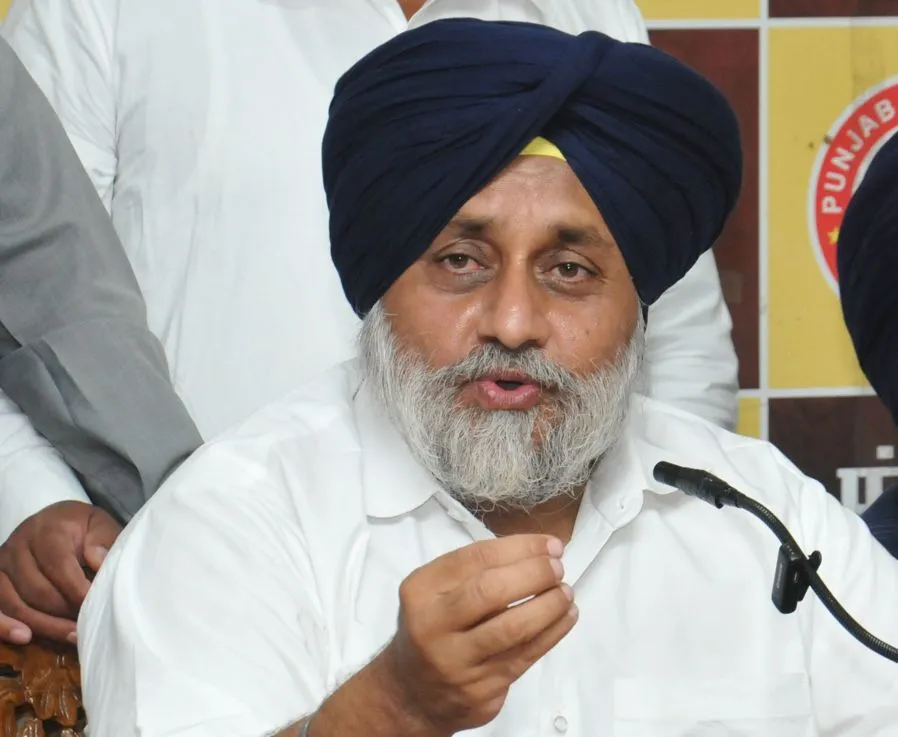
The Special Investigation Team (SIT) probing the 2015 Behbal Kalan and Kotkapura police firing and sacrilege cases in Punjab has summoned former Deputy Chief Minister and Shiromani Akali Dal president Sukhbir Singh Badal for questioning. The SIT is examining the sequence of events leading to the police action that killed two protesters amid demonstrations against sacrilege incidents. BJP leader Vijay Sampla's statement denying signing a memorandum with Sukhbir prompted the summons. Sukhbir has pledged cooperation but alleged political motives behind the probe. The ruling AAP government emphasizes delivering justice ahead of upcoming elections, while opposition voices criticize the politicization of the issue.
First-hand measurement across 4 sources
We measured how 4 outlets covered this story. Coverage leans left-leaning overall (Left 52%, Centre 36%, Right 12%). Overall sentiment is neutral (34/100). Lens Score 65/100 — high public interest.
Outlets analysed (first-hand measurement by TBN's Bias Engine):
- hindustantimes— left-leaning framing, negative sentiment
- thetribune— balanced framing, neutral sentiment
- thetribune— balanced framing, neutral sentiment
- thetribune— left-leaning framing, negative sentiment
AI Analysis
The article group presents perspectives from multiple political actors: the ruling AAP government, which frames the SIT's actions as a pursuit of justice; opposition figures like Sukhbir Badal and BJP leader Vijay Sampla, who allege political motivations; and neutral sources reporting on the investigation's procedural aspects. Coverage reflects the political contest around the sacrilege cases, especially with elections approaching, showing both government assertions and opposition rebuttals.
The overall tone is mixed, combining factual reporting of the SIT's summons and investigation with expressions of political tension. While the ruling party's statements convey determination to address past incidents, opposition responses highlight concerns about politicization. The sentiment balances between calls for justice and skepticism about motives, maintaining a neutral stance without overtly positive or negative language.