Kuki-Zo Council Apologizes for Killing of Six Naga Hostages, Calls for Impartial Probe
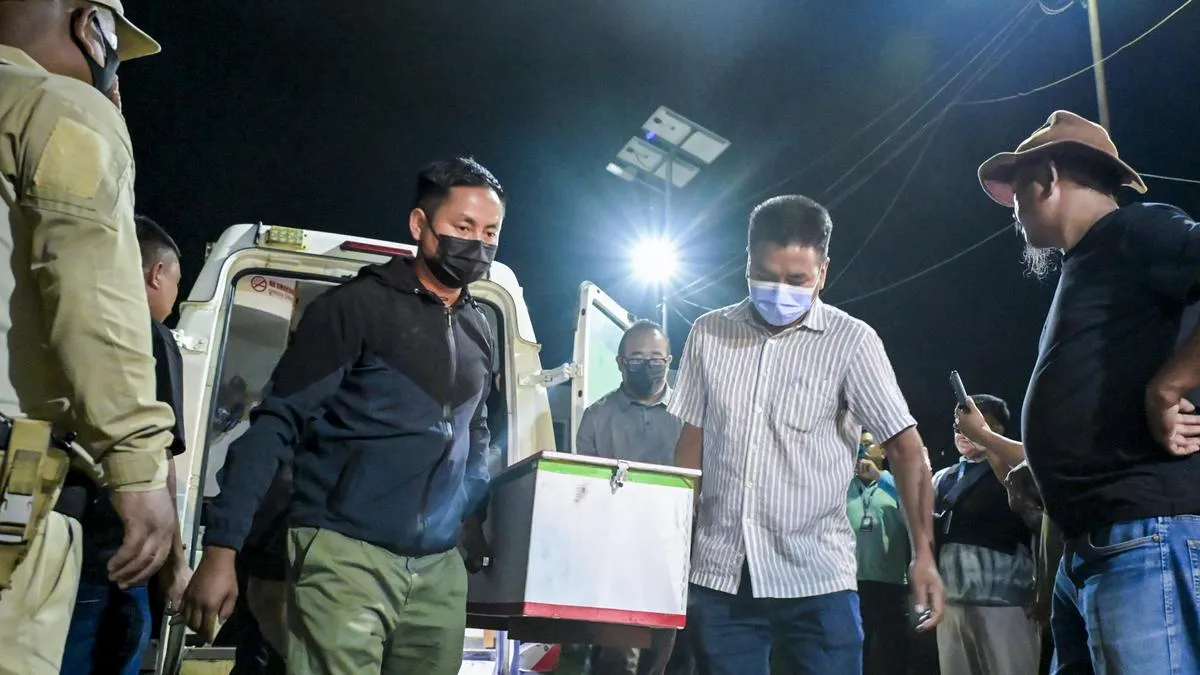
The Kuki-Zo Council (KZC) publicly acknowledged and apologized for the killing of six Naga hostages in Manipur, describing it as a "grave mistake" driven by emotion. The incident followed escalating ethnic tensions after the killing of three Kuki-Zo church leaders. KZC called for an impartial investigation into all violence, condemned the killings, and alleged selective security operations against their community. They urged fair law enforcement and firm action against militant groups responsible for attacks on civilians from both sides.
First-hand measurement across 8 sources
We measured how 8 outlets covered this story. Coverage leans balanced overall (Left 31%, Centre 65%, Right 4%). Overall sentiment is negative (31/100). Lens Score 42/100 — moderate-to-low public interest.
Outlets analysed (first-hand measurement by TBN's Bias Engine):
- northeastnow— balanced framing, negative sentiment
- httpswwwoutlookindiacom— balanced framing, negative sentiment
- easternmirror— balanced framing, neutral sentiment
- indianexpress— balanced framing, negative sentiment
- ndtv— balanced framing, negative sentiment
- economictimes— balanced framing, neutral sentiment
- thehindu— balanced framing, negative sentiment
- theassamtribune— balanced framing, neutral sentiment
AI Analysis
The articles represent perspectives primarily from the Kuki-Zo Council, focusing on their admission of responsibility and apology for the killings. They also highlight the council's claims of selective security operations and demands for fair treatment. The coverage includes references to both communities' grievances and calls for impartial investigations, reflecting a balanced presentation of the ongoing ethnic conflict without favoring either side.
The overall tone across the articles is somber and regretful, centered on the Kuki-Zo Council's apology and condemnation of the killings. While expressing sorrow and responsibility, the coverage also conveys tension and concern over ongoing violence and alleged biased security actions. The sentiment is mixed, combining remorse with calls for justice and fairness amid a complex and sensitive ethnic conflict.