BJP's Rise Linked to Ideology, Political Vacuum, and Regional Dynamics in India
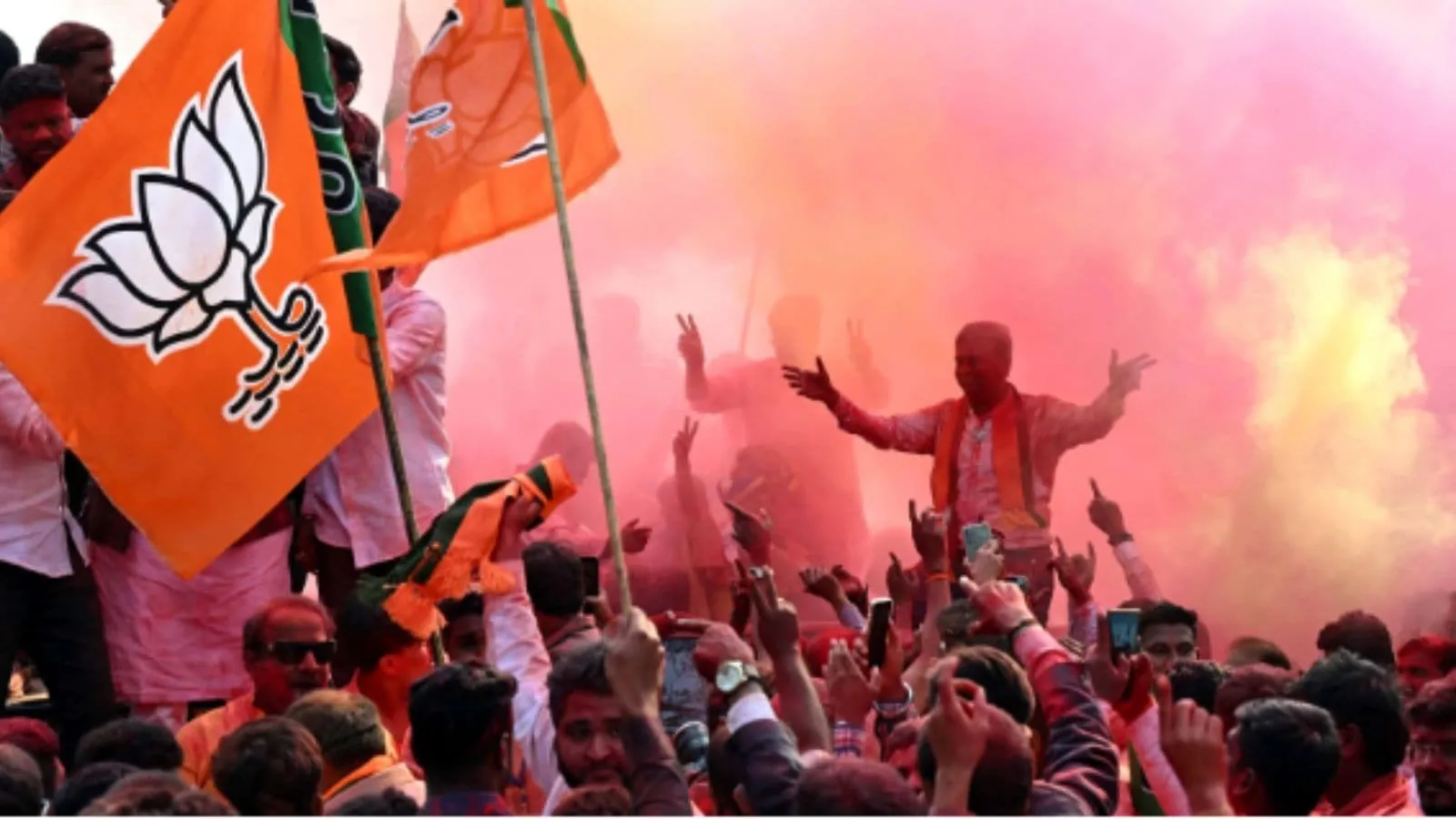
The BJP's rise reflects both ideological clarity around cultural nationalism and a political vacuum created by the Congress's decline and changing voter demographics. Its growth was aided by coalition politics, the Ram Janmabhoomi movement, and strategic alliances, with leaders like Vajpayee and Advani shaping its direction. Meanwhile, regional political figures such as Mamata Banerjee, Naveen Patnaik, and Nitish Kumar initially leveraged BJP support to build their bases but now face shifting dynamics as the BJP consolidates national dominance amid the decline of regional fragmentation.
First-hand measurement across 4 sources
We measured how 4 outlets covered this story. Coverage leans balanced overall (Left 32%, Centre 50%, Right 18%). Overall sentiment is neutral (44/100). Lens Score 26/100 — low public interest.
Outlets analysed (first-hand measurement by TBN's Bias Engine):
- theprint— balanced framing, neutral sentiment
- news18— balanced framing, neutral sentiment
- indianexpress— centre-left framing, neutral sentiment
- thestatesman— balanced framing, neutral sentiment
AI Analysis
The articles present a range of perspectives, including the BJP's ideological evolution, its role in filling a political void left by Congress, and the complexities of labeling its politics. They also discuss the decline of regional parties and alliances with BJP leaders. Sources frame the BJP's growth as multifaceted, involving cultural nationalism, coalition politics, and strategic leadership, without endorsing or condemning any viewpoint.
The overall tone is analytical and neutral, focusing on political developments and historical context without overtly positive or negative language. Coverage acknowledges controversies like the Gujarat riots and political realignments but maintains a balanced approach, emphasizing factual recounting and diverse interpretations rather than emotive or sensational commentary.