AIMIM Chief Owaisi Criticizes Special Intensive Revision of Electoral Rolls
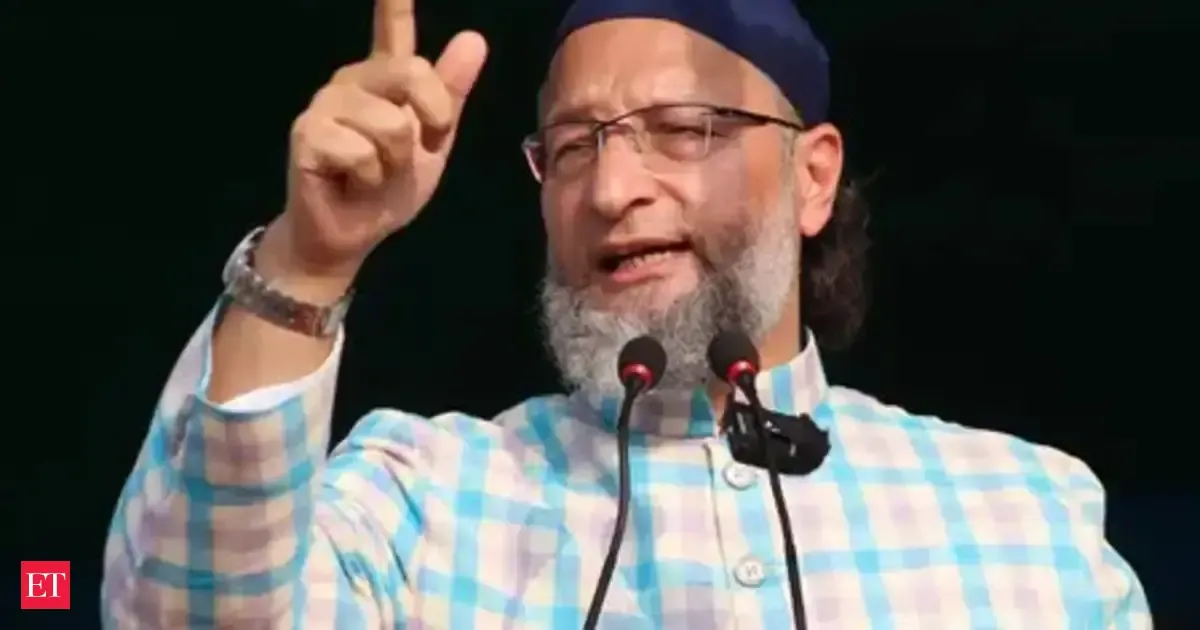
AIMIM leader Asaduddin Owaisi criticized the Special Intensive Revision (SIR) of electoral rolls, alleging it has removed nearly 6.5 crore names across 13 states and union territories, disproportionately affecting Muslims, women, the poor, and migrants. He warned that SIR could create a permanent class of excluded citizens, undermining the poor's voting rights and exposing them to arbitrary government actions. Owaisi noted that 27 lakh cases remain under adjudication and many may reapply for voter registration, while the Election Commission has not disclosed data on exclusions based on foreigner status.
First-hand measurement across 2 sources
We measured how 2 outlets covered this story. Coverage leans left-leaning overall (Left 70%, Centre 22%, Right 8%). Overall sentiment is negative (28/100). Lens Score 37/100 — moderate-to-low public interest.
Outlets analysed (first-hand measurement by TBN's Bias Engine):
- thehindu— left-leaning framing, negative sentiment
- economictimes— left-leaning framing, negative sentiment
AI Analysis
The articles primarily present the perspective of AIMIM leader Asaduddin Owaisi, who critiques the government's electoral roll revision process. The coverage reflects concerns about disenfranchisement of marginalized groups, particularly Muslims and the poor. There is limited representation of government or Election Commission viewpoints, focusing instead on opposition claims and potential impacts on vulnerable populations.
The tone across the articles is critical and concerned, emphasizing the negative consequences of the SIR exercise as described by Owaisi. The sentiment highlights fears of exclusion and disenfranchisement without presenting counterarguments or positive aspects, resulting in a predominantly negative coverage regarding the electoral revision process.
How 2 sources covered this story
Each source's own headline, political lean, and sentiment — so you can see framing differences at a glance.