Use of Phenolphthalein 'Pink Bottle' in Indian Anti-Corruption Raids Explained
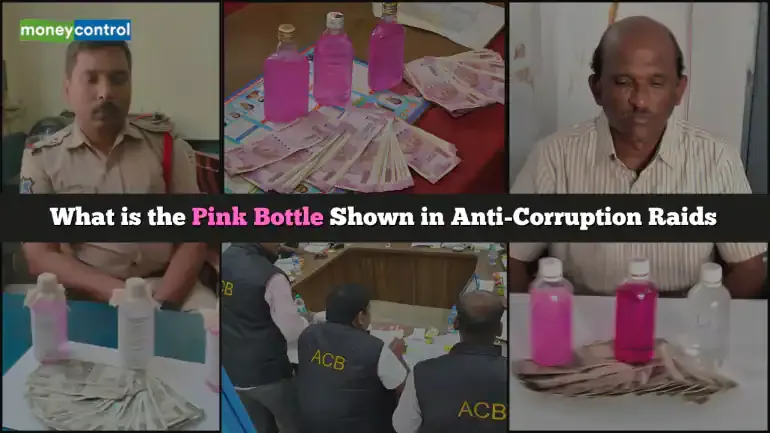
Anti-Corruption Bureau (ACB) raids in India often feature small bottles containing a bright pink liquid, which is a solution of phenolphthalein, a chemical indicator used to detect bribery. Before raids, officials coat currency notes with phenolphthalein powder, which turns pink upon contact with alkaline substances, providing scientific proof of illicit transactions. Independent witnesses observe the process to ensure transparency, making the 'pink bottle' a key tool in exposing corruption.
AI Analysis
The article group presents a technical explanation of the phenolphthalein method used in anti-corruption raids without political commentary. It focuses on procedural details and scientific aspects, avoiding partisan perspectives or critiques of government or opposition. The coverage is neutral, emphasizing the tool's role in law enforcement rather than political implications.
The tone across the articles is factual and informative, with a neutral sentiment. The coverage neither praises nor criticizes the anti-corruption efforts but highlights the scientific process behind detecting bribery. The language is descriptive and educational, aiming to clarify the function of the 'pink bottle' without emotional or evaluative language.
How 3 sources covered this story
Each source's own headline, political lean, and sentiment — so you can see framing differences at a glance.