Skip to content
Get the Balanced News app for a better experience!
The Balanced News Logo
Analytics
The Balanced News Logo

Stay Balanced, Stay Informed

Menu
  • Browse News
  • Underreported Stories
  • Curated Feeds
  • Insights
  • Analytics
  • Our Writers
  • About Us
  • Download App
Learn
  • How It Works
  • Bias Detection
  • Lens Score
  • Source Bias Checker
  • Accountability
  • Custom Feeds
Newsroom
  • Writers & Analysts
  • About TBN
  • Editorial Standards
  • Corrections Policy
  • Our Partners
  • Insights
Socials
  • Youtube
  • Instagram
  • X
  • Facebook
News Categories
  • Trending
  • Politics
  • Sports
  • Business
  • Tech
  • Entertainment
  • Health
  • Science
  • Crime
  • Lifestyle
  • National
  • International
  • Good News
  • Crypto

Get Our App

Available for iOS and Android


LensFeedsInsightsAnalyticsTrendingGood NewsSportsPoliticsBusinessCrimeTechEntertainmentHealthNationalInternational

© 2026 The Balanced News. All rights reserved.

About UsEditorial StandardsCorrectionsHelp & SupportPrivacy PolicyTerms & Conditions
India Places Indus Waters Treaty in Abeyance Citing National Interests and Security
Categories

Categories

Related Coverage

Select a news story to see related coverage from other media outlets.

Related Coverage

Select a news story to see related coverage from other media outlets.

  1. Home
  2. /
  3. Politics

India Places Indus Waters Treaty in Abeyance Citing National Interests and Security

Analysed 30 Oct 2026·2 sources analysed·New Delhi, India·Politics
India Places Indus Waters Treaty in Abeyance Citing National Interests and SecurityPreviousNext

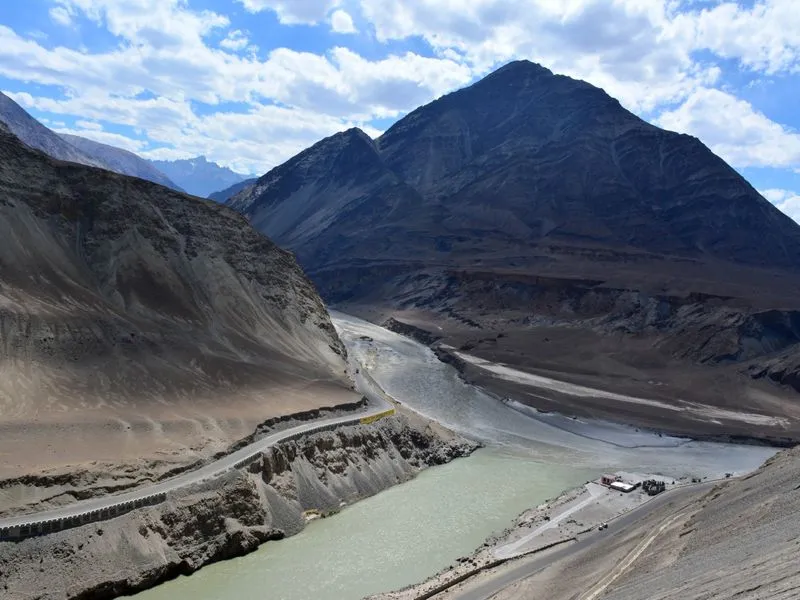
India's decision to place the Indus Waters Treaty (IWT) in abeyance marks a notable shift in its water-sharing approach with Pakistan, emphasizing national security, reciprocity, and developmental interests. The treaty, signed in 1960 and mediated by the World Bank, allocated eastern rivers to India and western rivers to Pakistan. India accepted restrictions on western rivers but now cites changed circumstances, including cross-border terrorism, delays in hydropower projects, growing water needs, climate change, and energy demands. The abeyance followed the April 2025 Pahalgam terror attack, prompting calls to modernize the treaty framework.

Sentiment
65%
TBN's observations

First-hand measurement across 2 sources

We measured how 2 outlets covered this story. No outlet gave this story a measurable political slant — there is no left–right reading to report. Overall sentiment is positive (65/100). Lens Score 39/100.

Outlets measured: thetribune, news18. See how each one headlined and framed the same story in the source comparison below.

AI analysis of 2 sources · Published under editorial oversight by The Balanced News
Analysed 30 Oct 2026· How this analysis is produced· Editorial standards· Corrections

AI Analysis

Sentiment — Positive (65/100)

Sentiment was consistent across outlets (65–65/100), indicating broadly factual reporting rather than editorialising.

Coverage timeline

news18 broke this story on 30 Oct, 11:34 am. Other outlets followed.

30 Oct, 11:34 am2 sources · 5 min30 Oct, 11:39 am
  1. 1
AI analysis by the TBN Bias Engine · beat methodology byPrajakta Kale· Political Analyst· editorial standards byOjas Kale
← Previous
Modi Supporters Chant 'Modi Kahin Nahi Jayega' During Gujarat Roadshow
Next →
Madhya Pradesh Government Announces 2% Hike in DA and DR for Employees and Pensioners
news1830 Oct, 11:34 am
India's national interests at heart of Indus Treaty debate, says analyst
  • 2
    thetribune30 Oct, 11:39 am
    Indias national interests at heart of Indus Treaty debate, says analyst
  • Who's involved

    Institutions and figures named across source coverage.

    Government
    Government of IndiaWorld BankGovernment of Pakistan

    Story context

    Category
    Politics
    Location
    New Delhi, India
    Sources analysed
    2
    Last analysed
    30 Oct 2026
    Key entities
    Indus Waters TreatyIndus RiverTreatyRiverNew DelhiPakistanIndiaChenab RiverBeas RiverSutlejHydropowerGeopolitics