Trump Softens Stance on Iran's Ballistic Missiles After Peace Agreement
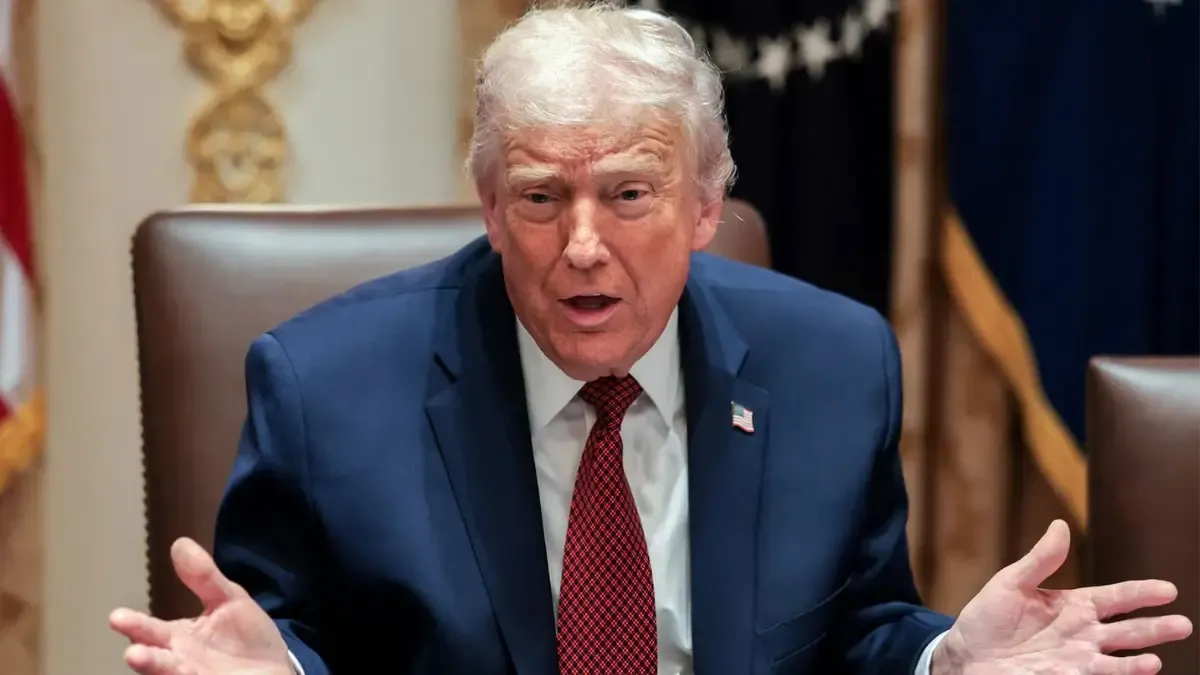
Following a peace agreement between the US and Iran, President Donald Trump softened his stance on Iran's ballistic missile program, stating it would be unfair to deny Iran missiles if neighboring countries like Saudi Arabia and Qatar possess them. He distinguished ballistic missiles from nuclear weapons, emphasizing the latter as the primary concern. Iran, however, maintains its missile capabilities are defensive and not subject to negotiation. The US plans to keep military forces in the Gulf region temporarily amid ongoing security discussions.
First-hand measurement across 7 sources
We measured how 7 outlets covered this story. Coverage leans balanced overall (Left 14%, Centre 77%, Right 9%). Overall sentiment is neutral (53/100). Lens Score 33/100 — low public interest.
Outlets analysed (first-hand measurement by TBN's Bias Engine):
- oneindia— balanced framing, neutral sentiment
- news18— balanced framing, neutral sentiment
- thehindu— balanced framing, neutral sentiment
- theprint— balanced framing, neutral sentiment
- wion— balanced framing, neutral sentiment
- republicworld— balanced framing, neutral sentiment
- ndtv— balanced framing, neutral sentiment
AI Analysis
The article group presents perspectives from US and Iranian officials, highlighting Trump's shift from a hardline to a more conciliatory approach on Iran's missile program. Coverage includes US security concerns, Iran's defensive claims, and regional dynamics involving Gulf states. Sources frame the development as a significant policy change, reflecting both diplomatic progress and ongoing tensions without favoring any side.
The overall tone is measured and factual, focusing on the diplomatic agreement and policy shifts without overtly positive or negative language. While some sources note surprise or debate over Trump's softened position, the coverage remains balanced, reporting statements and reactions neutrally and acknowledging unresolved issues regarding missile negotiations.
How 7 sources covered this story
Each source's own headline, political lean, and sentiment — so you can see framing differences at a glance.