Maharashtra Suspends RTI Rules 2026 After Anna Hazare's Hunger Strike Threat
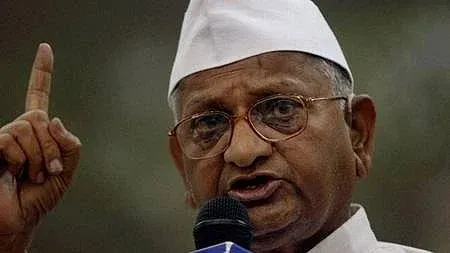
The Maharashtra government has suspended the implementation of the controversial Right to Information (RTI) Rules, 2026, following widespread criticism and a threat of an indefinite hunger strike by social activist Anna Hazare. The new rules proposed higher application fees, mandatory identity proof, and restrictions limiting each RTI application to a single subject. While the government cited aims to streamline processes, Hazare and activists argued the changes would weaken transparency and impose barriers. Hazare has welcomed the suspension but demands a permanent rollback, warning of further agitation if not withdrawn.
First-hand measurement across 7 sources
We measured how 7 outlets covered this story. Coverage leans left-leaning overall (Left 58%, Centre 36%, Right 6%). Overall sentiment is neutral (44/100). Lens Score 35/100 — moderate-to-low public interest.
Outlets analysed (first-hand measurement by TBN's Bias Engine):
- freepressjournal— left-leaning framing, neutral sentiment
- economictimes— left-leaning framing, neutral sentiment
- hindustantimes— left-leaning framing, neutral sentiment
- indianexpress— balanced framing, neutral sentiment
- freepressjournal— left-leaning framing, neutral sentiment
- thehindu— left-leaning framing, neutral sentiment
- economictimes— left-leaning framing, neutral sentiment
AI Analysis
The article group presents perspectives from both the Maharashtra government and social activist Anna Hazare, reflecting official administrative intentions and civil society concerns. Government sources emphasize procedural improvements and transparency, while Hazare and RTI activists highlight potential restrictions and citizen access issues. Coverage includes official directives, activist responses, and public reactions, maintaining a balanced representation of differing viewpoints.
The overall sentiment across the articles is mixed, combining critical views of the new RTI rules with acknowledgment of the government's decision to suspend them. While the rules are portrayed as controversial and restrictive by activists, the suspension is framed positively as a response to public pressure. The tone remains factual and measured, focusing on the unfolding developments without sensationalism.