JD Vance Cites Pakistan's Press Freedom Standards for Delay in US-Iran Deal Release
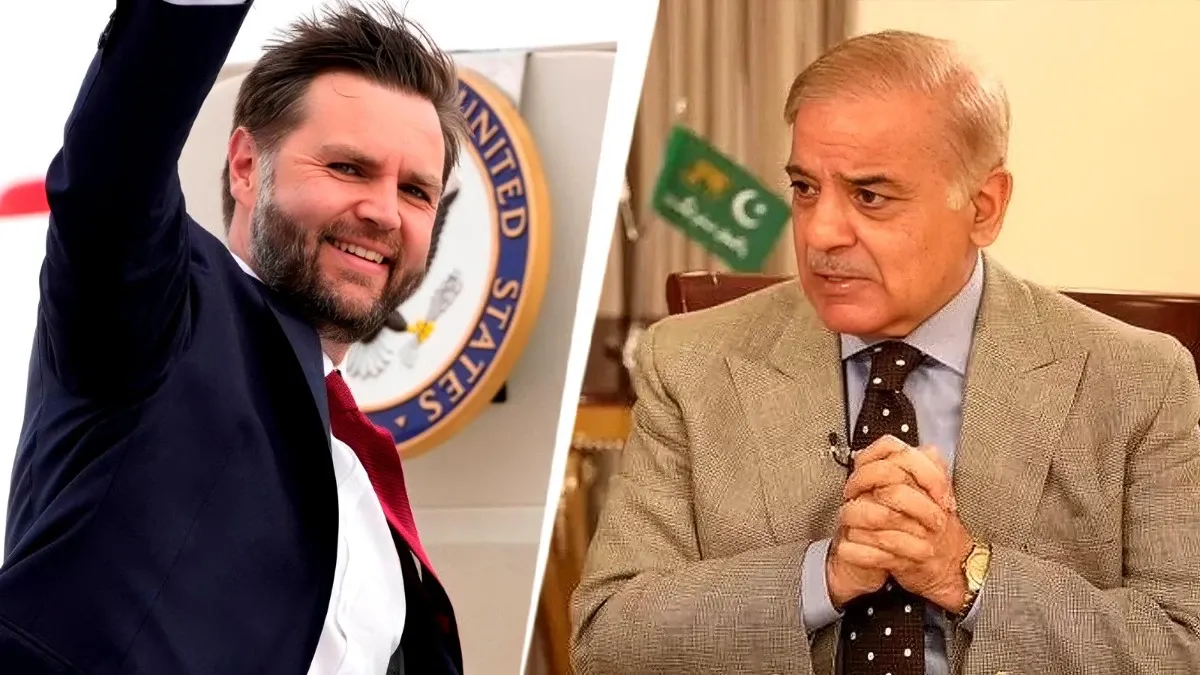
US Vice President JD Vance attributed the delay in releasing the full text of the US-Iran peace agreement to differing press freedom standards in Pakistan and Qatar compared to the United States. Speaking on a podcast, he contrasted the US First Amendment protections with the lack of similar safeguards in Pakistan, noting there was less expectation for immediate public disclosure. The agreement, brokered with Pakistan and Qatar's involvement, was announced on June 15 and released two days later amid criticism over transparency.
First-hand measurement across 7 sources
We measured how 7 outlets covered this story. Coverage leans balanced overall (Left 19%, Centre 72%, Right 9%). Overall sentiment is neutral (41/100). Lens Score 38/100 — moderate-to-low public interest.
Outlets analysed (first-hand measurement by TBN's Bias Engine):
- ndtv— balanced framing, neutral sentiment
- zeenews— balanced framing, neutral sentiment
- firstpost— balanced framing, neutral sentiment
- freepressjournal— balanced framing, neutral sentiment
- hindustantimes— balanced framing, neutral sentiment
- indiatoday— balanced framing, negative sentiment
- news18— balanced framing, neutral sentiment
AI Analysis
The article group presents perspectives primarily from US officials, particularly Vice President JD Vance, emphasizing differences in press freedom between the US and Pakistan. Coverage includes criticism from Democrats regarding transparency but largely focuses on official explanations without extensive opposition viewpoints. The framing centers on diplomatic and media freedom issues, reflecting US political and media perspectives with limited representation of Pakistani responses.
The overall tone across the articles is neutral to mildly critical, focusing on the factual explanation of the delay and the implications for Pakistan's press freedom record. While some language highlights embarrassment or criticism toward Pakistan, the coverage remains descriptive and refrains from overtly negative or positive sentiment, maintaining a balanced reporting style on the diplomatic and media transparency aspects.