Challenges and Alternatives in Establishing Gwadar as Tajikistan's Transit Hub
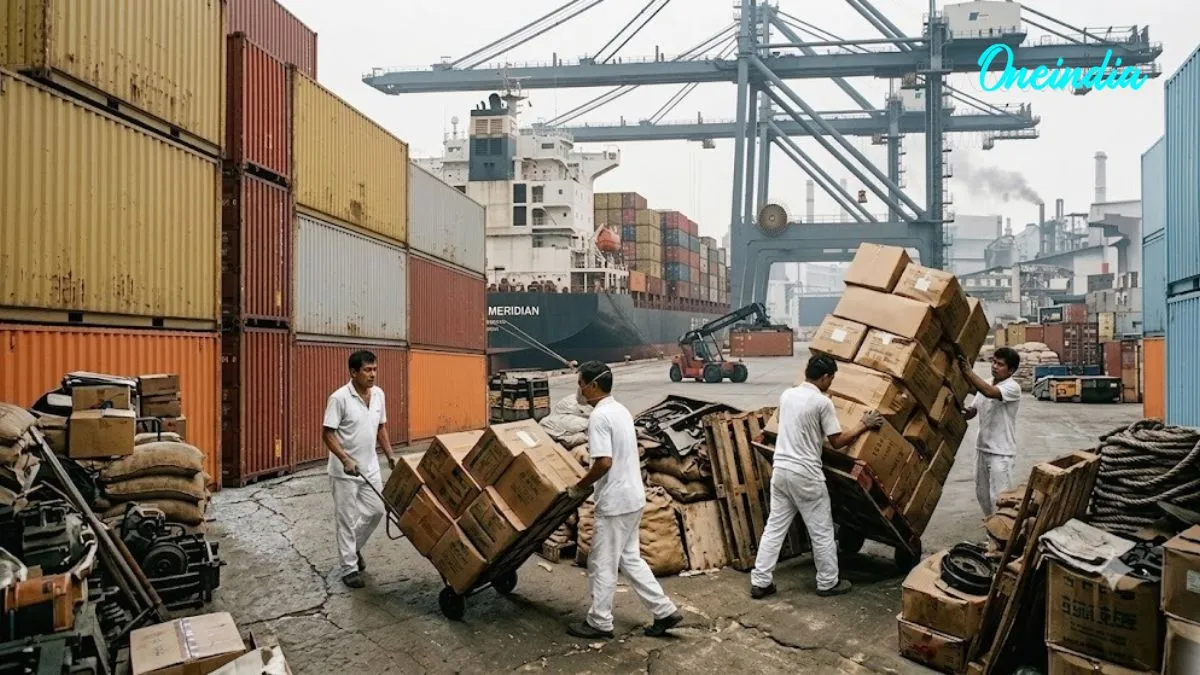
Gwadar Port's development as a transit hub for Tajikistan faces significant challenges, including critically deficient warehousing, unreliable water and power supply, and limited industrial activity in the Gwadar Free Zone. Additionally, all overland routes from Gwadar to Tajikistan pass through Afghanistan, where border crossings at Torkham and Chaman experience delays and inconsistent management. In contrast, the Iran-Tajikistan corridor via Chabahar offers a route bypassing Afghanistan, leveraging established infrastructure and treaty-backed protocols.
First-hand measurement across 2 sources
We measured how 2 outlets covered this story. Coverage leans balanced overall (Left 15%, Centre 80%, Right 5%). Overall sentiment is neutral (40/100). Lens Score 25/100 — low public interest.
Outlets analysed (first-hand measurement by TBN's Bias Engine):
- wion— balanced framing, neutral sentiment
- oneindia— balanced framing, neutral sentiment
AI Analysis
The articles present perspectives highlighting infrastructural and logistical challenges at Gwadar, including Pakistan's limitations and Afghanistan's unstable transit environment under Taliban governance. They also contrast this with Iran's Chabahar corridor as a viable alternative. The coverage reflects regional geopolitical complexities without overtly favoring any party, focusing on factual assessments of infrastructure and transit issues.
The overall tone is critical yet factual, emphasizing deficiencies and operational challenges at Gwadar and border crossings with Afghanistan. While pointing out limitations, the coverage remains neutral by also acknowledging the potential of alternative routes like Chabahar. The sentiment is mixed, combining concern over current obstacles with recognition of existing solutions.