Supreme Court Rules Judgment Is Final Only After Signing, Not Oral Pronouncement
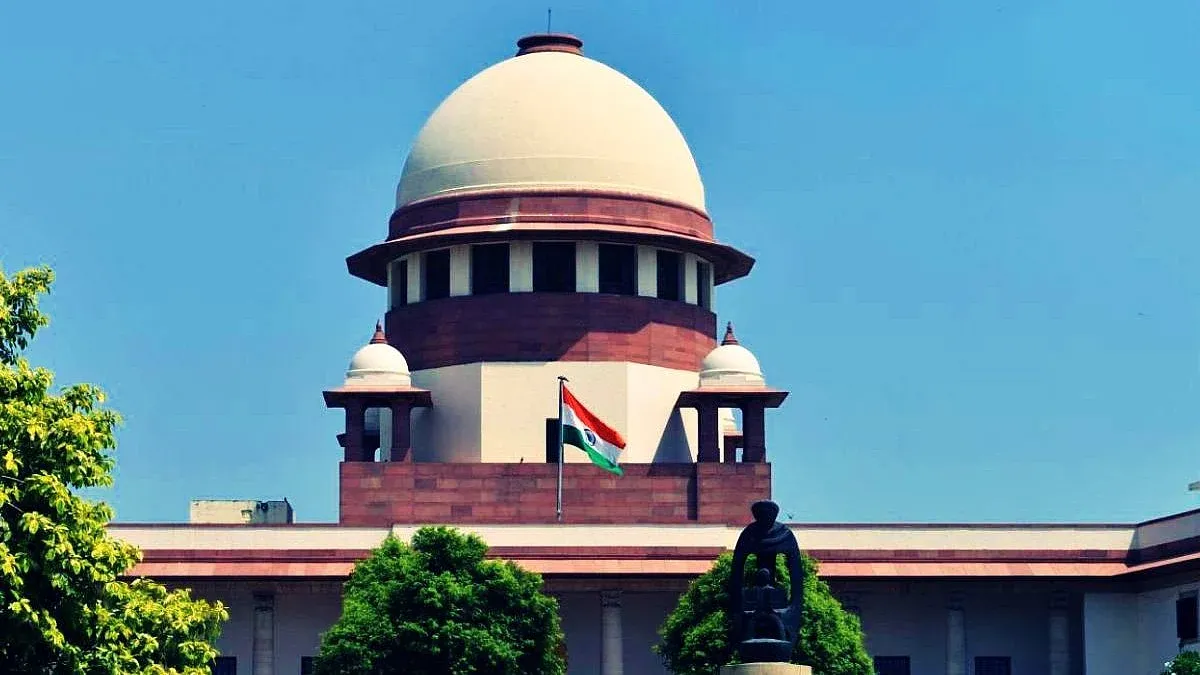
The Supreme Court, led by Chief Justice Surya Kant, clarified that an oral pronouncement of a judgment in open court is not final until the judgment is signed by the concerned judge(s). This was stated during a hearing of a plea by Vidyadas Babaji, who sought the Karnataka High Court to upload a judgment pronounced in court but not yet signed. The Court noted that judges can revise judgments and re-list matters until signing, rejecting the argument that the court becomes functus officio upon oral pronouncement.
First-hand measurement across 2 sources
We measured how 2 outlets covered this story. Coverage leans balanced overall (Left 0%, Centre 100%, Right 0%). Overall sentiment is neutral (50/100). Lens Score 39/100 — moderate-to-low public interest.
Outlets analysed (first-hand measurement by TBN's Bias Engine):
- freepressjournal— balanced framing, neutral sentiment
- freepressjournal— balanced framing, neutral sentiment
AI Analysis
The articles present a judicial perspective focusing on procedural clarity without political framing. The coverage centers on the Supreme Court's legal interpretation and procedural norms, reflecting a neutral stance. There is no evident political bias, as the sources report the court's observations and arguments from involved parties without partisan commentary.
The tone across the articles is neutral and factual, emphasizing legal procedure and court observations. There is no emotional or evaluative language, and the coverage maintains an informative approach focused on clarifying judicial processes rather than expressing positive or negative sentiment.
How 2 sources covered this story
Each source's own headline, political lean, and sentiment — so you can see framing differences at a glance.