Ex-Singapore Diplomat Recalls 1991 Hijack Call to Benazir Bhutto, Critiques Pakistan Leadership
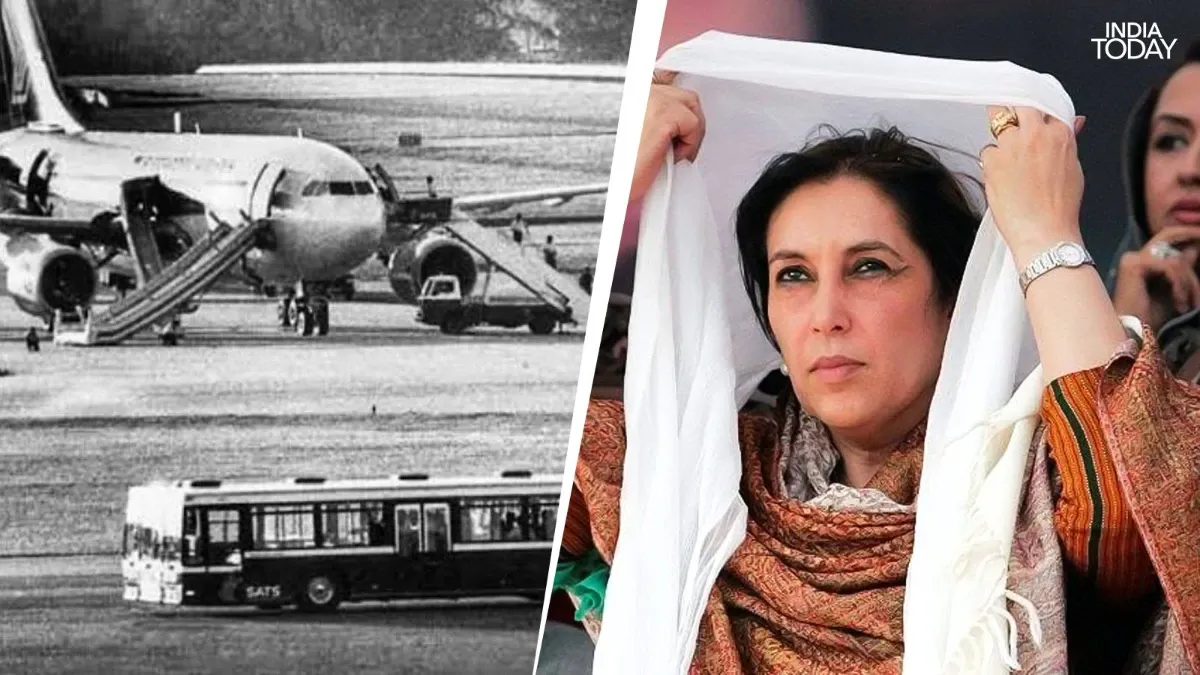
Former Singapore diplomat Bilahari Kausikan criticized Pakistan's political leadership, describing its politicians as a "waste of time" and attributing the country's challenges to self-inflicted mismanagement rather than geographic factors. He recounted the 1991 hijacking of a Singapore Airlines flight, during which attempts to contact then-former Prime Minister Benazir Bhutto failed as her staff reportedly refused to wake her. Kausikan highlighted the military's role in Pakistan's governance issues and described the nation as "teetering on the brink of failure."
First-hand measurement across 4 sources
We measured how 4 outlets covered this story. Coverage leans balanced overall (Left 10%, Centre 81%, Right 9%). Overall sentiment is negative (32/100). Lens Score 28/100 — low public interest.
Outlets analysed (first-hand measurement by TBN's Bias Engine):
- ndtv— balanced framing, negative sentiment
- thetribune— balanced framing, negative sentiment
- indiatoday— balanced framing, neutral sentiment
- firstpost— balanced framing, negative sentiment
AI Analysis
The articles predominantly present the perspective of former Singapore diplomat Bilahari Kausikan, who offers a critical view of Pakistan's political and military leadership. His remarks reflect skepticism toward Pakistani politicians across parties and emphasize internal mismanagement over external factors. The coverage includes his anecdote about Benazir Bhutto's unresponsiveness during the hijacking, without presenting counterarguments or responses from Pakistani officials, indicating a focus on the diplomat's viewpoint.
The overall tone across the articles is critical and somewhat negative, centered on Kausikan's harsh assessment of Pakistan's governance and political class. The recounting of the hijacking incident and Bhutto's alleged refusal to engage adds a dimension of frustration. While the sentiment is predominantly negative regarding Pakistan's leadership, it remains factual and avoids sensationalism, focusing on the diplomat's statements and the historical event.