Supreme Court Limits Routine Psychological Evaluations in Child Custody Disputes
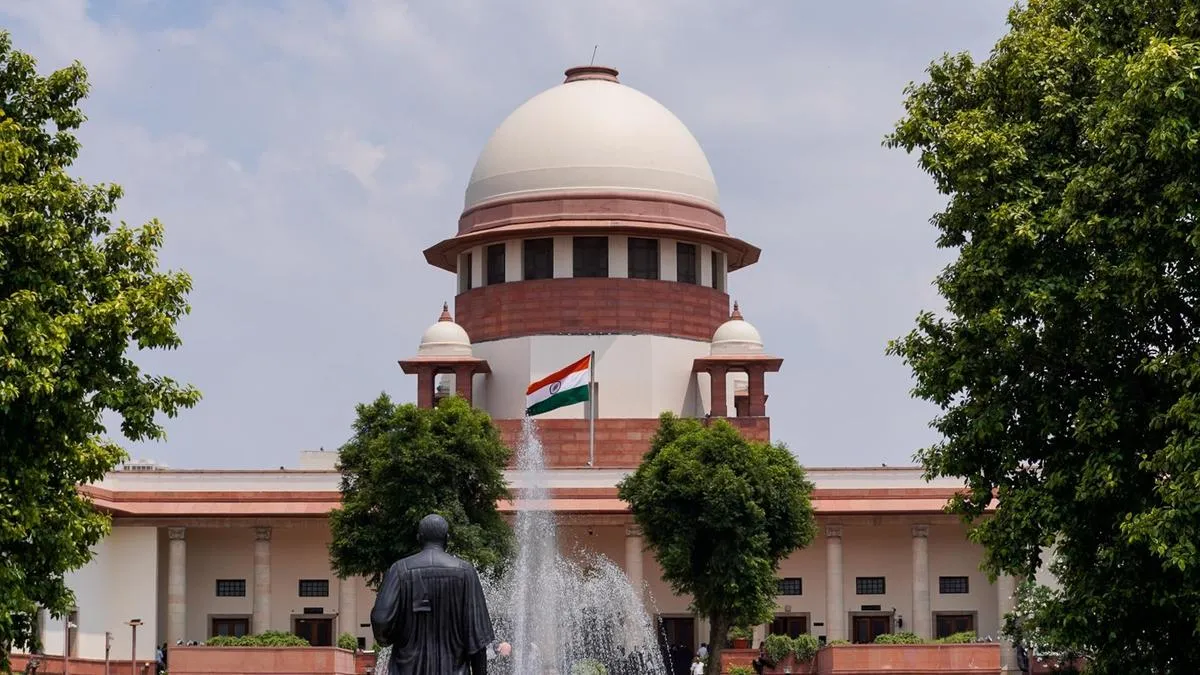
The Supreme Court ruled that psychological or psychiatric evaluations of children in custody disputes, especially those involving alleged sexual abuse under the POCSO Act, should not be ordered routinely. Courts must prioritize the child's welfare, dignity, and emotional security, ensuring minimum intrusion. Before assessments, courts should appoint experts to evaluate the necessity and mental state of involved parents. The judgment emphasizes avoiding repeated evaluations and appointing expert panels only in exceptional cases to prevent further trauma to the child.
First-hand measurement across 4 sources
We measured how 4 outlets covered this story. Coverage leans balanced overall (Left 5%, Centre 94%, Right 1%). Overall sentiment is neutral (65/100). Lens Score 35/100 — moderate-to-low public interest.
Outlets analysed (first-hand measurement by TBN's Bias Engine):
- thestatesman— balanced framing, neutral sentiment
- thetribune— balanced framing, positive sentiment
- thehindu— balanced framing, neutral sentiment
- news18— balanced framing, neutral sentiment
AI Analysis
The article group presents a judicial perspective focused on child welfare without political framing. Coverage centers on the Supreme Court's legal guidelines, reflecting a neutral stance emphasizing child protection and procedural caution. There is no evident partisan viewpoint; sources uniformly highlight the court's intent to balance parental rights with safeguarding children, reflecting a consensus on legal and child rights principles.
The overall tone across the articles is measured and cautious, emphasizing protection and welfare of children. The sentiment is largely neutral to positive, highlighting the court's efforts to prevent unnecessary psychological harm. There is no sensationalism or negativity; instead, the coverage conveys a responsible judicial approach aimed at minimizing trauma in sensitive custody cases.