China's Ethnic Unity Law Extends Legal Accountability to Overseas Individuals
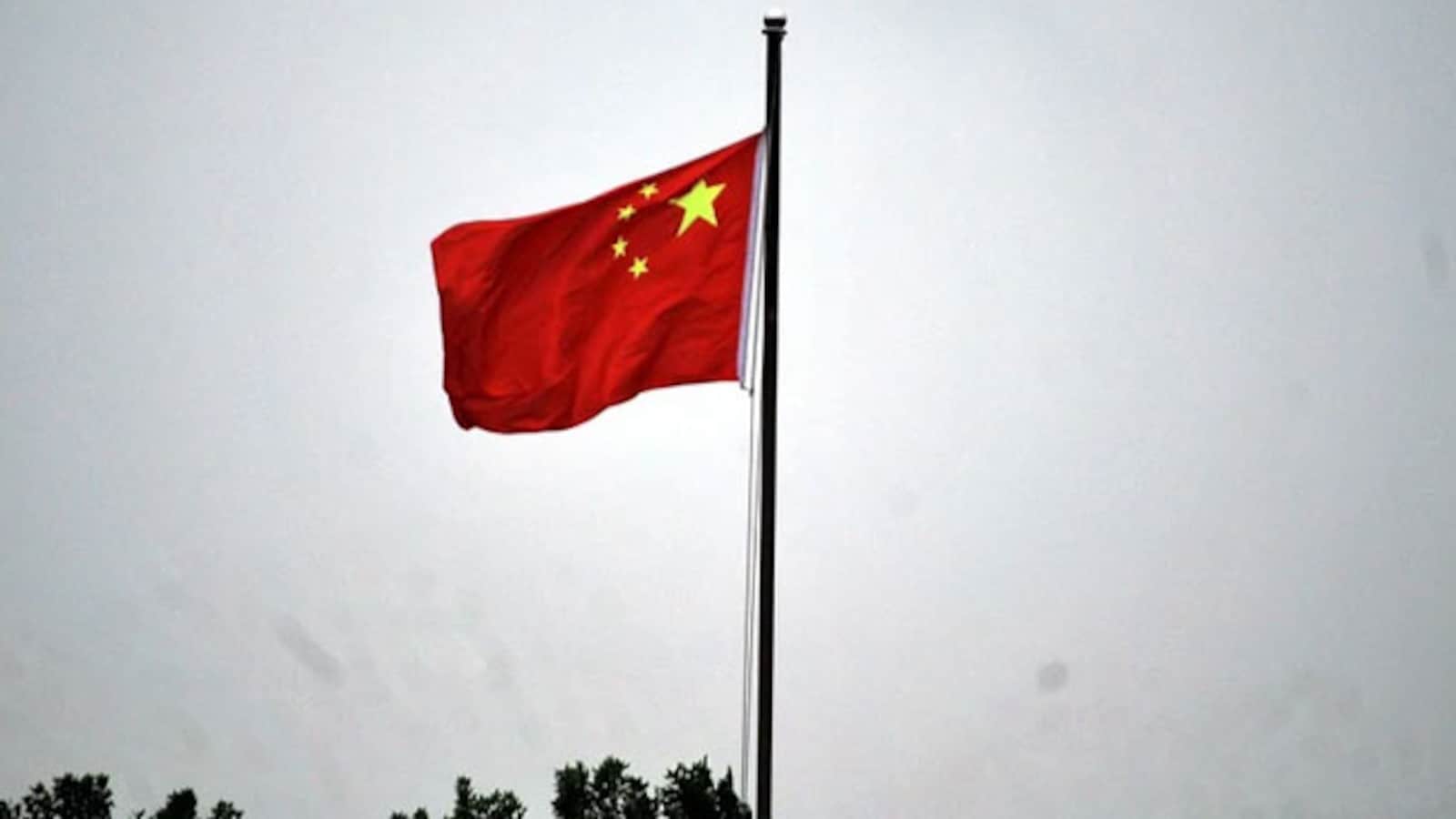
China's new ethnic unity law, effective July 1, allows authorities to hold individuals and groups outside its borders legally accountable for actions deemed to undermine ethnic unity or incite separatism. The law aims to promote a shared national identity among China's 55 ethnic minorities, including Tibetans and Uyghurs. Beijing defends the overseas provision as lawful and consistent with international practice, while critics, including Taiwan and human rights groups, express concern it could be used to target political opponents abroad.
First-hand measurement across 2 sources
We measured how 2 outlets covered this story. Coverage leans left-leaning overall (Left 70%, Centre 28%, Right 2%). Overall sentiment is negative (30/100). Lens Score 38/100 — moderate-to-low public interest.
Outlets analysed (first-hand measurement by TBN's Bias Engine):
- wion— left-leaning framing, negative sentiment
- ndtv— left-leaning framing, negative sentiment
AI Analysis
The article group presents perspectives from Chinese officials defending the law as lawful and aligned with international norms, alongside concerns from Taiwan and human rights advocates about potential misuse against political dissenters abroad. Coverage includes government justification and opposition viewpoints, reflecting a balance between official rationale and critical responses.
The overall tone is mixed, combining China's official defense of the law with apprehension expressed by external observers and rights groups. The coverage neither endorses nor condemns the law but highlights both its intended purpose and the controversies it raises, maintaining a neutral and informative stance.
How 2 sources covered this story
Each source's own headline, political lean, and sentiment — so you can see framing differences at a glance.