UK's Starmer Announces £300 Billion Defence Plan Ahead of Leadership Change
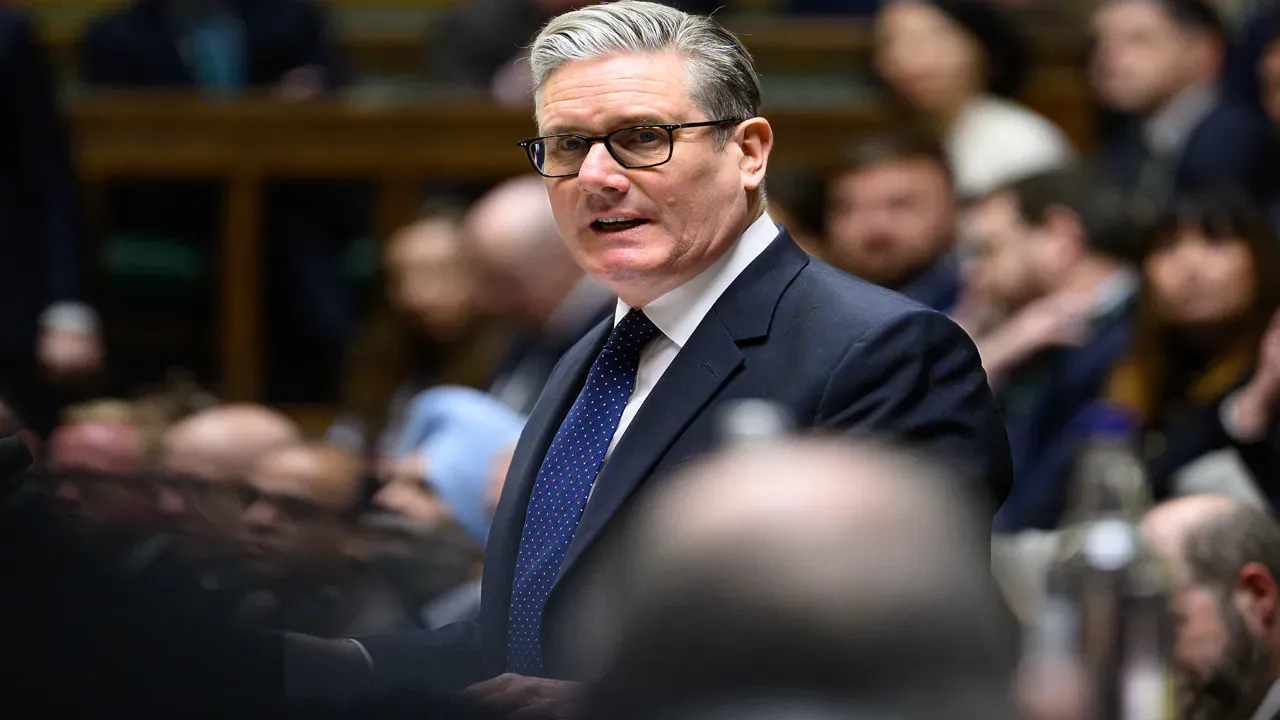
Outgoing UK Prime Minister Keir Starmer unveiled a nearly £300 billion Defence Investment Plan aimed at modernising Britain's armed forces over the next decade, focusing on drones, autonomous weapons, naval upgrades, and nuclear deterrence. The plan includes an additional £15 billion over four years but falls short of the £28 billion requested by military chiefs, with about a third of the funding yet to be secured. Starmer urged his successor, Andy Burnham, to continue the reforms amid internal party dissent and ministerial resignations over defence spending.
First-hand measurement across 15 sources
We measured how 15 outlets covered this story. Coverage leans balanced overall (Left 8%, Centre 88%, Right 4%). Overall sentiment is neutral (55/100). Lens Score 34/100 — low public interest.
Outlets analysed (first-hand measurement by TBN's Bias Engine):
- theprint— balanced framing, neutral sentiment
- hindustantimes— balanced framing, neutral sentiment
- theprint— balanced framing, neutral sentiment
- moneycontrol— balanced framing, neutral sentiment
- moneycontrol— balanced framing, neutral sentiment
- moneycontrol— balanced framing, neutral sentiment
- theprint— balanced framing, neutral sentiment
- thehindu— balanced framing, positive sentiment
AI Analysis
The article group presents perspectives primarily from government officials and defence experts, highlighting Starmer's policy announcement and internal party challenges. Coverage includes supportive views emphasizing security needs and critiques pointing to funding shortfalls and political dissent. Opposition voices and concerns about budget gaps are noted, reflecting a range of political viewpoints without favoring any side.
The overall tone is mixed, combining recognition of the plan's significance and ambition with criticism regarding funding insufficiencies and political instability. While Starmer's efforts are portrayed as a substantial investment in defence, sources also express skepticism about the plan's completeness and future implementation, resulting in a balanced but cautiously critical sentiment.