National Portrait Gallery Removes Artwork Linking Churchill to Bengal Famine Controversy
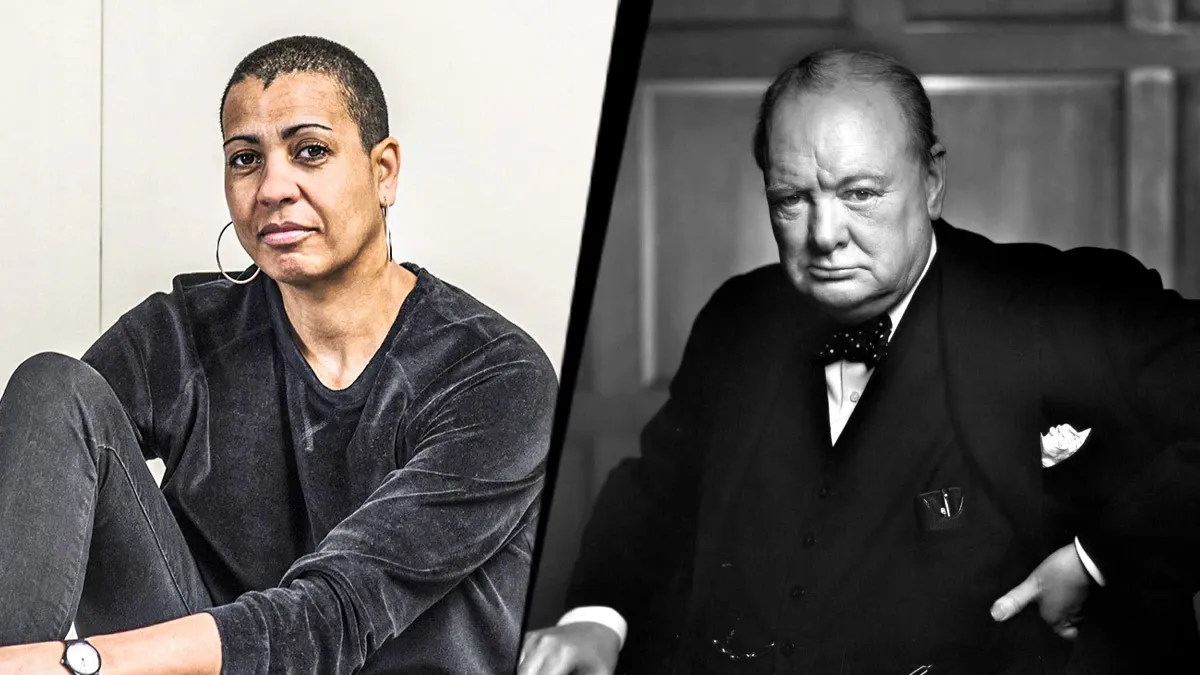
London's National Portrait Gallery removed a 40-minute video installation by artist Helen Cammock that linked Winston Churchill to the 'wilful starvation' of millions during the 1943 Bengal famine. The artwork, part of a contemporary exhibition, compared Churchill's actions to Oliver Cromwell's military campaigns. The removal followed formal objections from over 50 House of Lords members, including Churchill's grandson, who called the claims historically inaccurate. Supporters of the artist emphasize the work's exploration of historical narratives and memory.
First-hand measurement across 2 sources
We measured how 2 outlets covered this story. Coverage leans centre-left overall (Left 53%, Centre 42%, Right 5%). Overall sentiment is neutral (35/100). Lens Score 34/100 — low public interest.
Outlets analysed (first-hand measurement by TBN's Bias Engine):
- indiatoday— left-leaning framing, neutral sentiment
- firstpost— balanced framing, neutral sentiment
AI Analysis
The articles present perspectives from both critics and supporters of the artwork. Critics, including Churchill's biographer and family members in the House of Lords, frame the film as historically misleading and ideologically driven. Conversely, supporters highlight the artist's intent to challenge historical narratives and explore issues of identity and memory. This balance reflects a dialogue between traditional historical interpretations and contemporary artistic critique.
The overall tone across the articles is mixed, combining critical responses from Churchill's supporters who reject the artwork's claims with a more neutral or supportive view of the artist's exploration of history and memory. The coverage acknowledges controversy without adopting a judgmental stance, presenting both the backlash and the artistic context in a measured manner.