Skip to content
Get the Balanced News app for a better experience!
The Balanced News Logo
Analytics
The Balanced News Logo

Stay Balanced, Stay Informed

Menu
  • Browse News
  • Underreported Stories
  • Curated Feeds
  • Insights
  • Analytics
  • Our Writers
  • About Us
  • Download App
Learn
  • How It Works
  • Bias Detection
  • Lens Score
  • Source Bias Checker
  • Accountability
  • Custom Feeds
Newsroom
  • Writers & Analysts
  • About TBN
  • Editorial Standards
  • Corrections Policy
  • Our Partners
  • Insights
Socials
  • Youtube
  • Instagram
  • X
  • Facebook
News Categories
  • Trending
  • Politics
  • Sports
  • Business
  • Tech
  • Entertainment
  • Health
  • Science
  • Crime
  • Lifestyle
  • National
  • International
  • Good News
  • Crypto

Get Our App

Available for iOS and Android


LensFeedsInsightsAnalyticsTrendingGood NewsSportsPoliticsBusinessCrimeTechEntertainmentHealthNationalInternational

© 2026 The Balanced News. All rights reserved.

About UsEditorial StandardsCorrectionsHelp & SupportPrivacy PolicyTerms & Conditions
Supreme Court Questions Relevance of Two-Child Norm Amid Falling Fertility Rate
Categories

Categories

Related Coverage

Select a news story to see related coverage from other media outlets.

Related Coverage

Select a news story to see related coverage from other media outlets.

  1. Home
  2. /
  3. Politics

Supreme Court Questions Relevance of Two-Child Norm Amid Falling Fertility Rate

Analysed 4 Nov 2026·3 sources analysed·Maharashtra, India·Politics
Supreme Court Questions Relevance of Two-Child Norm Amid Falling Fertility RatePreviousNext

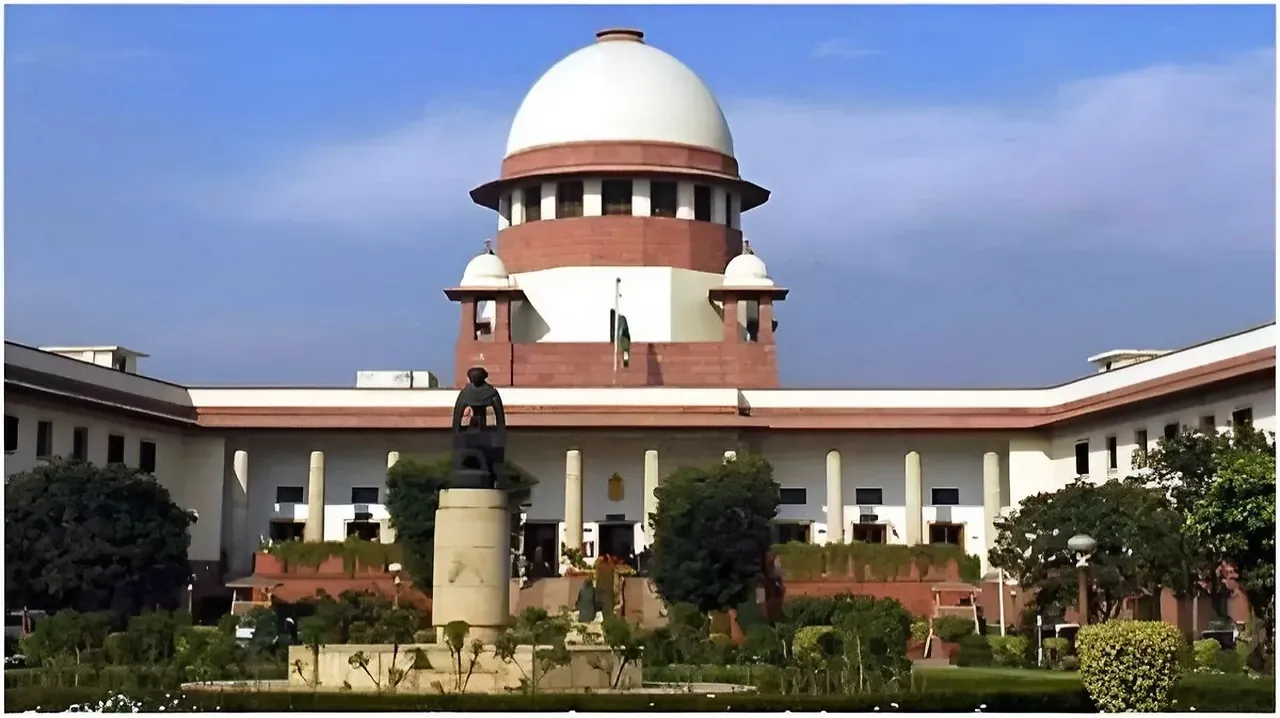
The Supreme Court of India ruled that laws penalising individuals for having more than two children have lost relevance due to demographic changes, including a decline in the fertility rate from 3 to 1.9. The Court highlighted concerns over reproductive autonomy and the exclusion of citizens from political participation based on such laws. It stayed proceedings against a Maharashtra sarpanch disqualified for a third child and referred the issue to a larger bench to reconsider the validity of the two-child norm in election eligibility.

Sentiment
58%
TBN's observations

First-hand measurement across 3 sources

We measured how 3 outlets covered this story. No outlet gave this story a measurable political slant — there is no left–right reading to report. Overall sentiment is neutral (58/100). Lens Score 55/100.

Outlets measured: timesnow, businessstandard, thehindu. See how each one headlined and framed the same story in the source comparison below.

AI analysis of 3 sources · Published under editorial oversight by The Balanced News
Analysed 4 Nov 2026· How this analysis is produced· Editorial standards· Corrections

AI Analysis

Sentiment — Neutral (58/100)

Sentiment was consistent across outlets (50–62/100), indicating broadly factual reporting rather than editorialising.

Coverage timeline

thehindu broke this story on 4 Nov, 06:30 am. Other outlets followed.

4 Nov, 06:30 am3 sources · 36 min4 Nov, 07:06 am
AI analysis by the TBN Bias Engine · beat methodology byPrajakta Kale· Political Analyst· editorial standards byOjas Kale
← Previous
Shashi Tharoor Proposes 'Quockerwodger' as Alternative Political Term
Next →
Democrat Troy Jackson Wins Maine Senate Seat as Susan Collins Concedes in 2026 Midterms
  1. 1
    thehindu4 Nov, 06:30 am
    Supreme Court judgment questions two-child norm with falling fertility rate
  2. 2
    businessstandard4 Nov, 06:38 am
    Laws penalising having more than 2 children have lost relevance: SC
  3. 3
    timesnow4 Nov, 07:06 am
    'Two-Child Norm Has Lost Its Relevance': SC's Key Remarks, Refers 2003 Javed Judgment To Larger Bench

Who's involved

Institutions and figures named across source coverage.

Government
Supreme Court of IndiaMaharashtra Village Panchayats ActBombay High Court
Judiciary
Supreme Court of IndiaSupreme CourtBombay High Court

Story context

Category
Politics
Location
Maharashtra, India
Sources analysed
3
Last analysed
4 Nov 2026
Key entities
Total fertility rateDemographyIndiaSarpanchMaharashtraHuman overpopulationSupreme Court of IndiaGram panchayatAutonomyHaryanaDemographics of IndiaDemographic transition