Maharashtra Archaeology Department Allows Vat Purnima Rituals at Mahatma Phule Wada After Initial Ban
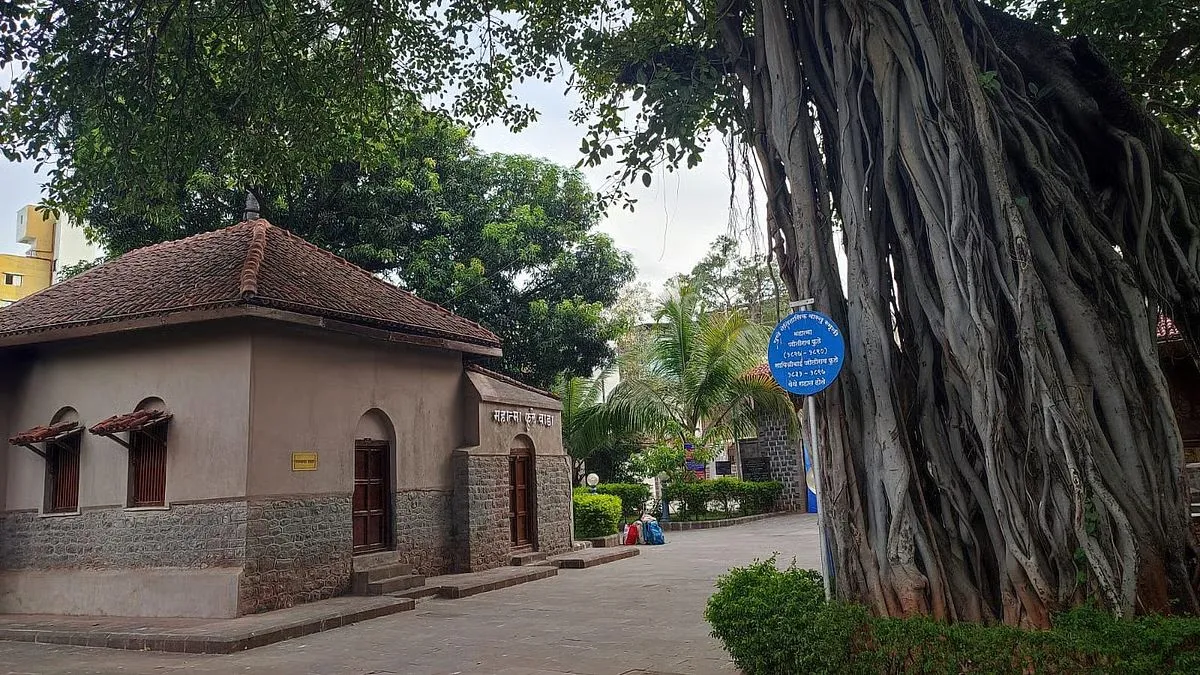
The Maharashtra Archaeology Department initially issued an order barring women from performing Vat Purnima rituals at Mahatma Phule Wada in Pune, citing the Phules' opposition to ritualism. This sparked controversy and legal challenges from Hindu groups defending the long-standing tradition of banyan tree worship. Following objections and a memorandum from Hindu organizations, the department reversed its stance in a June 23 letter, allowing pre-existing rituals to continue while instructing police to maintain law and order during the event.
First-hand measurement across 3 sources
We measured how 3 outlets covered this story. Coverage leans centre-right overall (Left 20%, Centre 38%, Right 42%). Overall sentiment is neutral (58/100). Lens Score 45/100 — moderate-to-low public interest.
Outlets analysed (first-hand measurement by TBN's Bias Engine):
- opindia— right-leaning framing, positive sentiment
- opindia— right-leaning framing, positive sentiment
- opindia— balanced framing, neutral sentiment
AI Analysis
The articles primarily reflect perspectives aligned with Hindu advocacy groups opposing the initial ban on Vat Purnima rituals, emphasizing cultural and religious rights. The Maharashtra Archaeology Department's position is presented through official communications, highlighting its initial intent to restrict rituals based on historical interpretations. The coverage focuses on the conflict between heritage protection and religious customs without extensive input from other stakeholders, framing the story around the reversal following community pressure.
The overall tone is mixed, initially highlighting controversy and conflict due to the Archaeology Department's ban, which was perceived as restrictive by devotees. The subsequent reversal is presented as a conciliatory development, reducing tensions. The sentiment balances concern over the initial restriction with relief and approval of the decision to permit traditional practices, maintaining a neutral narrative without overt emotional language.