Skip to content
Get the Balanced News app for a better experience!
The Balanced News Logo
Analytics
The Balanced News Logo

Stay Balanced, Stay Informed

Menu
  • Browse News
  • Underreported Stories
  • Curated Feeds
  • Insights
  • Analytics
  • Our Writers
  • About Us
  • Download App
Learn
  • How It Works
  • Bias Detection
  • Lens Score
  • Source Bias Checker
  • Accountability
  • Custom Feeds
Newsroom
  • Writers & Analysts
  • About TBN
  • Editorial Standards
  • Corrections Policy
  • Our Partners
  • Insights
Socials
  • Youtube
  • Instagram
  • X
  • Facebook
News Categories
  • Trending
  • Politics
  • Sports
  • Business
  • Tech
  • Entertainment
  • Health
  • Science
  • Crime
  • Lifestyle
  • National
  • International
  • Good News
  • Crypto

Get Our App

Available for iOS and Android


LensFeedsInsightsAnalyticsTrendingGood NewsSportsPoliticsBusinessCrimeTechEntertainmentHealthNationalInternational

© 2026 The Balanced News. All rights reserved.

About UsEditorial StandardsCorrectionsHelp & SupportPrivacy PolicyTerms & Conditions
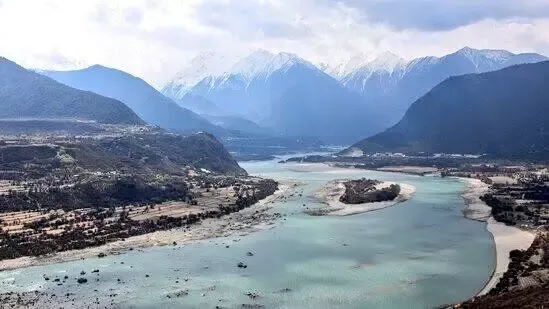
Chinese Study Warns of Rising Brahmaputra Flood Risks Amid Tibet Dam Construction
Categories

Categories

Related Coverage

Select a news story to see related coverage from other media outlets.

Related Coverage

Select a news story to see related coverage from other media outlets.

  1. Home
  2. /
  3. Politics

Chinese Study Warns of Rising Brahmaputra Flood Risks Amid Tibet Dam Construction

Analysed 26 Oct 2026·5 sources analysed·Beijing, China·Politics
Chinese Study Warns of Rising Brahmaputra Flood Risks Amid Tibet Dam ConstructionPreviousNext

Chinese researchers from the Academy of Sciences and Yunnan University warn that the Brahmaputra River, known as the Yarlung Tsangpo in Tibet, may experience increased runoff and heightened flood risks this century. Their study, based on seven centuries of tree-ring data combined with climate models, projects rising river flows amid climate warming, which is occurring at twice the global average on the Tibetan Plateau. These findings highlight challenges for water resource planning and transboundary risk assessments as China builds a $168 billion hydropower dam on the river.

Sentiment
45%
TBN's observations

First-hand measurement across 3 sources

We measured how 3 outlets covered this story. No outlet gave this story a measurable political slant — there is no left–right reading to report. Overall sentiment is neutral (45/100). Lens Score 51/100.

Outlets measured: mint, thetelegraph, indiatoday. See how each one headlined and framed the same story in the source comparison below.

AI analysis of 3 sources · Published under editorial oversight by The Balanced News
Analysed 26 Oct 2026· How this analysis is produced· Editorial standards· Corrections

AI Analysis

Sentiment — Neutral (45/100)

Sentiment was consistent across outlets (45–48/100), indicating broadly factual reporting rather than editorialising.

Coverage timeline

indiatoday broke this story on 26 Oct, 08:56 am. Other outlets followed.

26 Oct, 08:56 am3 sources · 3 h26 Oct, 12:00 pm
AI analysis by the TBN Bias Engine · beat methodology byPrajakta Kale· Political Analyst· editorial standards byOjas Kale
← Previous
Congress Prepares for Punjab Polls; Venugopal Defends Kharge's Remarks on Modi
Next →
Mehbooba Mufti Critiques BJP Over Kashmir Accession Terms and Article 370 Abrogation
  1. 1
    indiatoday26 Oct, 08:56 am
    China study warns Brahmaputra flows and flood risk could rise this century
  2. 2
    thetelegraph26 Oct, 10:23 am
    Chinese study: Brahmaputra flood risks downstream India, Bangladesh as Beijing builds mega dam
  3. 3
    mint26 Oct, 12:00 pm
    China's 168 billion Brahmaputra dam faces fresh concerns as researchers warn of rising flood risks Today News

Who's involved

Institutions and figures named across source coverage.

Government
Chinese Foreign Ministry

Story context

Category
Politics
Location
Beijing, China
Sources analysed
5
Last analysed
26 Oct 2026
Key entities
Surface runoffBrahmaputra RiverIndiaChinaYarlung TsangpoTibetan PlateauTibetBangladeshSouth China Morning PostChinese Academy of SciencesHydrologyYunnan