Iran Holds Week-Long State Funeral for Former Supreme Leader Ayatollah Ali Khamenei
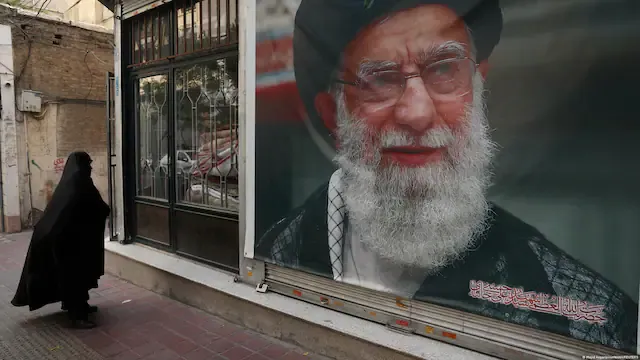
Iran has commenced a week-long state funeral for former Supreme Leader Ayatollah Ali Khamenei, who was killed in US-Israeli airstrikes on February 28, 2026. The ceremonies, beginning July 4 in Tehran and concluding with burial in Mashhad on July 9, are expected to draw millions of mourners and delegations from over 100 countries. The funeral was delayed due to ongoing conflict and security concerns, with Khamenei's body preserved in cold storage. Indian and Pakistani officials, along with political and religious leaders, have paid tribute amid heightened security and regional tensions.
First-hand measurement across 15 sources
We measured how 15 outlets covered this story. Coverage leans balanced overall (Left 11%, Centre 86%, Right 3%). Overall sentiment is neutral (46/100). Lens Score 37/100 — moderate-to-low public interest.
Outlets analysed (first-hand measurement by TBN's Bias Engine):
- mint— balanced framing, neutral sentiment
- news18— balanced framing, negative sentiment
- zeenews— balanced framing, neutral sentiment
- news18— balanced framing, neutral sentiment
- economictimes— balanced framing, neutral sentiment
- oneindia— balanced framing, neutral sentiment
- news18— left-leaning framing, negative sentiment
- news18— balanced framing, neutral sentiment
AI Analysis
The article group presents multiple perspectives, including official Iranian government statements emphasizing national unity and mourning, international diplomatic participation, and regional security concerns. Indian and Pakistani delegations' involvement reflects diplomatic ties, while some reports note internal dissent and logistical challenges. Coverage includes both state media and independent outlets, balancing official narratives with public sentiment and geopolitical context.
The overall tone is solemn and respectful, focusing on mourning and tribute to the late leader. While acknowledging the scale and significance of the funeral, some articles mention public frustrations related to economic conditions and security risks. The sentiment is predominantly neutral to somber, reflecting the gravity of the event and its political implications without overtly positive or negative language.