Skip to content
Get the Balanced News app for a better experience!
The Balanced News Logo
Analytics
The Balanced News Logo

Stay Balanced, Stay Informed

Menu
  • Browse News
  • Underreported Stories
  • Curated Feeds
  • Insights
  • Analytics
  • Our Writers
  • About Us
  • Download App
Learn
  • How It Works
  • Bias Detection
  • Lens Score
  • Source Bias Checker
  • Accountability
  • Custom Feeds
Newsroom
  • Writers & Analysts
  • About TBN
  • Editorial Standards
  • Corrections Policy
  • Our Partners
  • Insights
Socials
  • Youtube
  • Instagram
  • X
  • Facebook
News Categories
  • Trending
  • Politics
  • Sports
  • Business
  • Tech
  • Entertainment
  • Health
  • Science
  • Crime
  • Lifestyle
  • National
  • International
  • Good News
  • Crypto

Get Our App

Available for iOS and Android


LensFeedsInsightsAnalyticsTrendingGood NewsSportsPoliticsBusinessCrimeTechEntertainmentHealthNationalInternational

© 2026 The Balanced News. All rights reserved.

About UsEditorial StandardsCorrectionsHelp & SupportPrivacy PolicyTerms & Conditions
Indian Courts Address Arrest Rights, Preventive Detention, and Police Publicity Practices
Categories

Categories

Related Coverage

Select a news story to see related coverage from other media outlets.

Related Coverage

Select a news story to see related coverage from other media outlets.

  1. Home
  2. /
  3. Politics

Indian Courts Address Arrest Rights, Preventive Detention, and Police Publicity Practices

Analysed 25 Sept 2026·3 sources analysed·Punjab, India, India·Politics
Indian Courts Address Arrest Rights, Preventive Detention, and Police Publicity PracticesPreviousNext

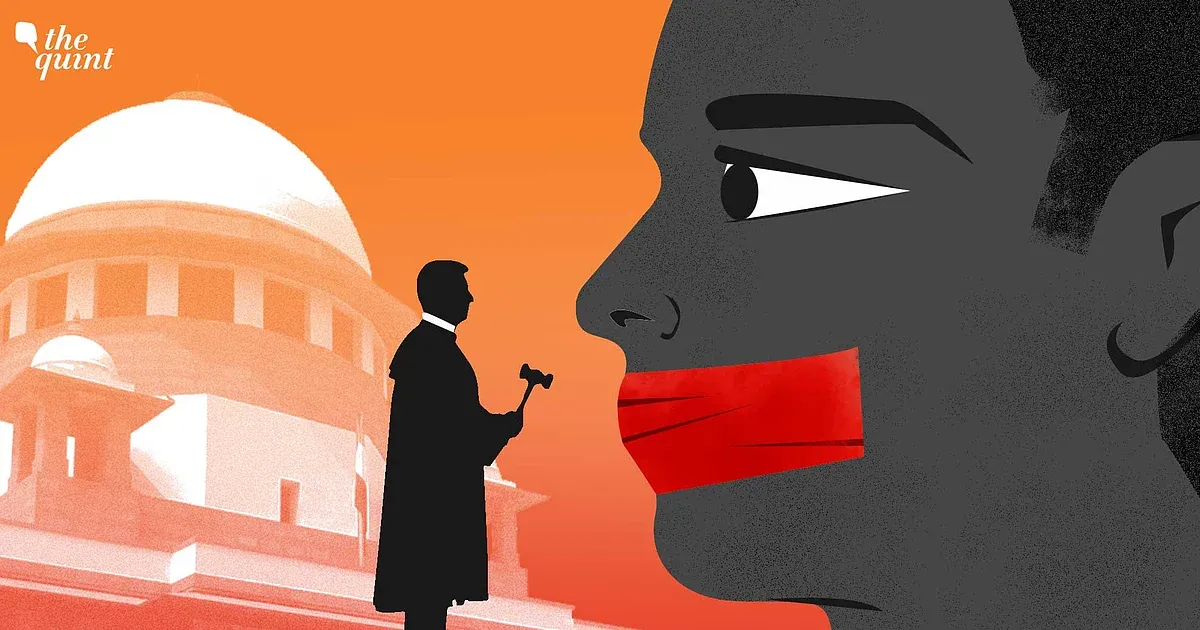
Recent legal discussions in India highlight constitutional safeguards and judicial oversight regarding arrest and detention. The Supreme Court reaffirmed that individuals must be informed of arrest grounds promptly, emphasizing protection under Article 22. The Jammu and Kashmir High Court differentiated between 'public order' and 'law and order' in quashing a preventive detention under the PSA. Meanwhile, concerns about police sharing accused persons' images on social media have prompted calls for clear legal guidelines balancing publicity and justice.

Sentiment
47%
TBN's observations

First-hand measurement across 3 sources

We measured how 3 outlets covered this story. No outlet gave this story a measurable political slant — there is no left–right reading to report. Overall sentiment is neutral (47/100). Lens Score 43/100.

Outlets measured: thequint, indianexpress, thehindu. See how each one headlined and framed the same story in the source comparison below.

AI analysis of 3 sources · Published under editorial oversight by The Balanced News
Analysed 25 Sept 2026· How this analysis is produced· Editorial standards· Corrections

AI Analysis

Sentiment — Neutral (47/100)

Sentiment was consistent across outlets (32–58/100), indicating broadly factual reporting rather than editorialising.

Coverage timeline

thehindu broke this story on 24 Sept, 06:42 pm. Other outlets followed.

24 Sept, 06:42 pm3 sources · 16 h25 Sept, 10:14 am
AI analysis by the TBN Bias Engine · beat methodology byPrajakta Kale· Political Analyst· editorial standards byOjas Kale
← Previous
Telangana Government Allows Registration of Section 22-A Properties with Valid Approvals
Next →
87-Year-Old Evicted After 71 Years Amid Spain's Housing Affordability Crisis
  1. 1
    thehindu24 Sept, 06:42 pm
    Policing the line between publicity and justice
  2. 2
    indianexpress25 Sept, 01:10 am
    'Public order' vs 'law and order': What Jammu Kashmir HC ruled on PSA
  3. 3
    thequint25 Sept, 10:14 am
    The State Cannot Take Away Liberty and Explain It Later: What SC's Ruling Says

Accountability flags

TBN's analysis identified the following accountability dimensions in this story.

  • abuse of power

    This story involves alleged misuse of official authority or institutional position to achieve personal or political ends.

  • rights violation

    This story involves alleged violations of constitutional or human rights — freedom of expression, due process, custodial rights, minority rights.

Who's involved

Institutions and figures named across source coverage.

Government
Divisional CommissionerStateSupreme Court of IndiaDistrict Magistrate, PoonchMinistry of Home AffairsPoliceState Police
Enforcement
Police
Judiciary
Rajasthan High CourtSupreme Court of IndiaJuvenile Justice BoardJammu Kashmir and Ladakh High CourtSupreme Court

Story context

Category
Politics
Location
Punjab, India, India
Sources analysed
3
Last analysed
25 Sept 2026
Key entities
Supreme Court of IndiaStates and union territories of IndiaMagistrateCriminal lawCriminal procedureStatuteBailLibertyConstitution of the United StatesConstitutionalityLawyerPunjab, India