India Revises Passport Fees Effective July 1, 2026, Including Tatkal Charges
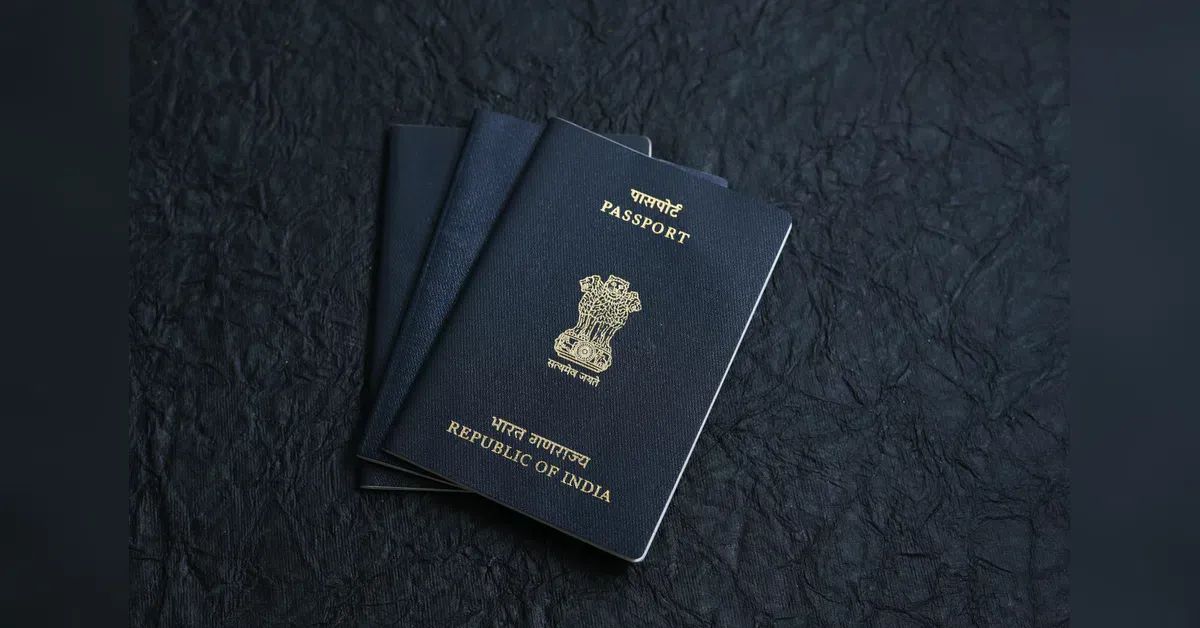
The Indian government has revised passport fees effective July 1, 2026, marking the first increase in nearly 14 years. A fresh or reissued 36-page passport for adults will cost Rs 2,500, up from Rs 1,500, with Tatkal fees rising to Rs 5,000. The 60-page passport fee increases to Rs 3,500 (normal) and Rs 6,000 (Tatkal). Replacement fees for lost or damaged passports have also risen. A 10% concession applies to fresh applications for children under eight and seniors over 60. Passport validity remains unchanged.
First-hand measurement across 15 sources
We measured how 15 outlets covered this story. Coverage leans balanced overall (Left 0%, Centre 100%, Right 0%). Overall sentiment is neutral (51/100). Lens Score 32/100 — low public interest.
Outlets analysed (first-hand measurement by TBN's Bias Engine):
- ndtv— balanced framing, neutral sentiment
- economictimes— balanced framing, neutral sentiment
- oneindia— balanced framing, neutral sentiment
- firstpost— balanced framing, neutral sentiment
- mint— balanced framing, neutral sentiment
- hindustantimes— balanced framing, neutral sentiment
- freepressjournal— balanced framing, neutral sentiment
- news18— balanced framing, neutral sentiment
AI Analysis
The articles primarily present official government information regarding passport fee revisions, reflecting a neutral stance focused on policy changes. Coverage includes government notifications and clarifications from the Ministry of External Affairs, with limited political commentary or opposition perspectives. The framing centers on administrative updates and public impact without partisan framing.
The overall tone across the articles is factual and neutral, emphasizing the fee increases and related procedural details. While some sources note the financial impact on applicants, the coverage avoids emotive language, maintaining an informative approach. The inclusion of concessions for certain groups adds a balanced perspective, resulting in a mixed but predominantly neutral sentiment.
How 15 sources covered this story
Each source's own headline, political lean, and sentiment — so you can see framing differences at a glance.