Skip to content
Get the Balanced News app for a better experience!
The Balanced News Logo
Analytics
The Balanced News Logo

Stay Balanced, Stay Informed

Menu
  • Browse News
  • Underreported Stories
  • Curated Feeds
  • Insights
  • Analytics
  • Our Writers
  • About Us
  • Download App
Learn
  • How It Works
  • Bias Detection
  • Lens Score
  • Source Bias Checker
  • Accountability
  • Custom Feeds
Newsroom
  • Writers & Analysts
  • About TBN
  • Editorial Standards
  • Corrections Policy
  • Our Partners
  • Insights
Socials
  • Youtube
  • Instagram
  • X
  • Facebook
News Categories
  • Trending
  • Politics
  • Sports
  • Business
  • Tech
  • Entertainment
  • Health
  • Science
  • Crime
  • Lifestyle
  • National
  • International
  • Good News
  • Crypto

Get Our App

Available for iOS and Android


LensFeedsInsightsAnalyticsTrendingGood NewsSportsPoliticsBusinessCrimeTechEntertainmentHealthNationalInternational

© 2026 The Balanced News. All rights reserved.

About UsEditorial StandardsCorrectionsHelp & SupportPrivacy PolicyTerms & Conditions
Economist Daron Acemoglu Discusses Challenges to Liberal Democracy and Shared Prosperity
Categories

Categories

Related Coverage

Select a news story to see related coverage from other media outlets.

Related Coverage

Select a news story to see related coverage from other media outlets.

  1. Home
  2. /
  3. Politics

Economist Daron Acemoglu Discusses Challenges to Liberal Democracy and Shared Prosperity

Analysed 5 Sept 2026·2 sources analysed·China·Politics
Economist Daron Acemoglu Discusses Challenges to Liberal Democracy and Shared ProsperityPreviousNext

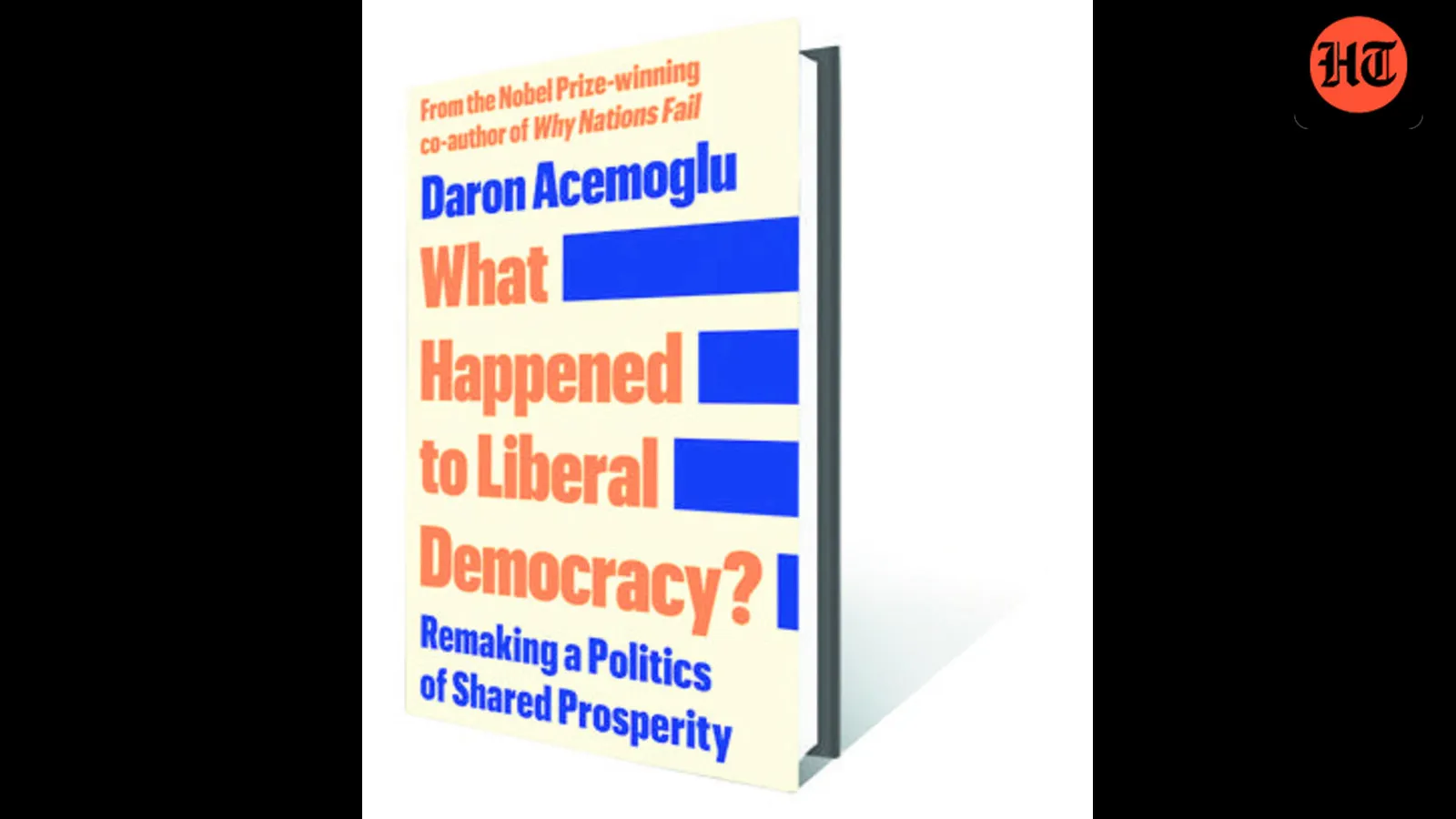
Nobel-winning economist Daron Acemoglu explores the challenges facing liberal democracy, emphasizing that shared prosperity and worker dignity are essential for its survival. His research examines how institutions shape economic outcomes and political power, addressing debates on colonialism and China's rise. Drawing on historical liberal thinkers, Acemoglu discusses tensions within liberalism, including the role of education, intolerance, and social engineering, while considering the impact of AI and future work on democratic politics.

Sentiment
58%
TBN's observations

First-hand measurement across 2 sources

We measured how 2 outlets covered this story. No outlet gave this story a measurable political slant — there is no left–right reading to report. Overall sentiment is neutral (58/100). Lens Score 35/100.

Outlets measured: hindustantimes, hindustantimes. See how each one headlined and framed the same story in the source comparison below.

AI analysis of 2 sources · Published under editorial oversight by The Balanced News
Analysed 5 Sept 2026· How this analysis is produced· Editorial standards· Corrections

AI Analysis

Sentiment — Neutral (58/100)

Sentiment was consistent across outlets (50–65/100), indicating broadly factual reporting rather than editorialising.

Coverage timeline

hindustantimes broke this story on 5 Sept, 10:29 am. Other outlets followed.

5 Sept, 10:29 am2 sources · 3 min5 Sept, 10:31 am
AI analysis by the TBN Bias Engine · beat methodology byPrajakta Kale· Political Analyst· editorial standards byOjas Kale
← Previous
Pakistan's Naval Modernization Contrasts with Seafarer Security Challenges
Next →
India Considers Evolving Security Strategy in West Asia Amid Regional Changes
1
hindustantimes5 Sept, 10:29 am
Liberalism can't survive without shared prosperity: Wknd talks to economist Daron Acemoglu
  • 2
    hindustantimes5 Sept, 10:31 am
    What Happened to Liberal Democracy?: An excerpt from the new book by Nobel-winning economist Daron Acemoglu
  • Who's involved

    Institutions and figures named across source coverage.

    Corporate
    Tech companies

    Story context

    Category
    Politics
    Location
    China
    Sources analysed
    2
    Last analysed
    5 Sept 2026
    Key entities
    Daron AcemogluEconomistLiberalismLiberal democracySocial engineering (political science)Simon Johnson (economist)TechnocracyArtificial intelligenceWhy Nations FailIntersectionalityThe EconomistNobel Prize