Supreme Court Proposes Draft Regulations for AI Use in Indian Courts
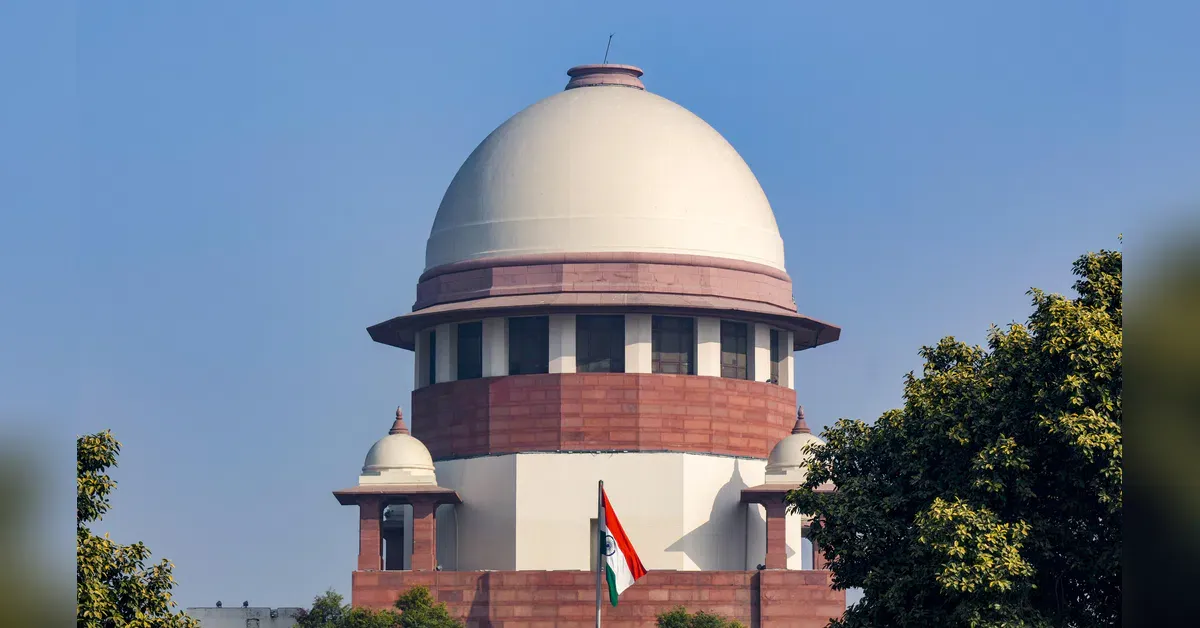
The Supreme Court of India has released draft regulations titled 'Regulations for Use of Artificial Intelligence (AI) in Courts, 2026,' inviting public feedback until June 20. The framework permits AI use for legal research, document management, translation, and court administration but prohibits AI from deciding verdicts, bail, sentencing, or assessing witness credibility. It mandates disclosure when AI assists in legal work and bans opaque AI systems affecting rights or liberty. The draft emphasizes that judicial authority and decision-making remain exclusively with human judges, aiming to balance AI benefits with fairness, transparency, and accountability in the judiciary.
First-hand measurement across 5 sources
We measured how 5 outlets covered this story. Coverage leans balanced overall (Left 10%, Centre 85%, Right 5%). Overall sentiment is positive (69/100). Lens Score 38/100 — moderate-to-low public interest.
Outlets analysed (first-hand measurement by TBN's Bias Engine):
- opindia— balanced framing, positive sentiment
- english— balanced framing, positive sentiment
- mint— balanced framing, positive sentiment
- businessstandard— balanced framing, positive sentiment
- indianexpress— balanced framing, neutral sentiment
AI Analysis
The article group presents a largely neutral and procedural perspective focused on the judiciary's regulatory approach to AI integration. Sources emphasize the Supreme Court's intent to maintain judicial independence while enabling technological assistance. The coverage includes viewpoints from the court's AI committee and highlights public consultation, reflecting institutional and stakeholder interests without partisan framing or political controversy.
The overall tone across the articles is cautiously optimistic, recognizing AI's potential to improve court efficiency while underscoring concerns about misuse and errors like AI hallucinations. The draft rules are portrayed as a measured response balancing innovation with safeguards, resulting in a generally positive yet prudent sentiment emphasizing responsibility and transparency.