Supreme Court Proposes Draft Rules for AI Use in Courts with Disclosure Requirements
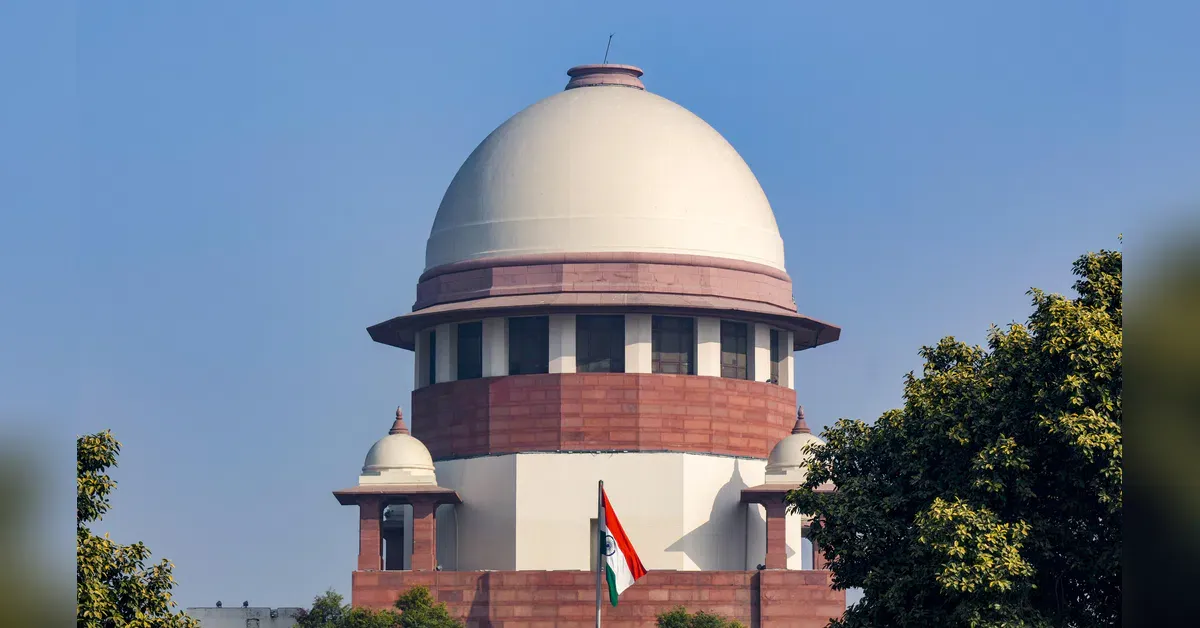
The Supreme Court's AI Committee has released draft regulations for using artificial intelligence in courts, allowing AI tools for legal research, drafting, and administration while mandating disclosure of such use. The framework prohibits AI from deciding verdicts, bail, or influencing judicial decisions, emphasizing that judicial authority remains solely with judges. The draft also bans opaque AI systems affecting rights or liberty and seeks public feedback by June 20 before finalizing the rules.
First-hand measurement across 2 sources
We measured how 2 outlets covered this story. Coverage leans balanced overall (Left 10%, Centre 85%, Right 5%). Overall sentiment is positive (68/100). Lens Score 38/100 — moderate-to-low public interest.
Outlets analysed (first-hand measurement by TBN's Bias Engine):
- businessstandard— balanced framing, positive sentiment
- indianexpress— balanced framing, neutral sentiment
AI Analysis
The articles present a judicial and regulatory perspective focused on balancing technological adoption with safeguarding judicial authority. They reflect the Supreme Court's cautious approach, emphasizing human judgment over AI decision-making. The coverage includes viewpoints from the court's AI committee without partisan framing, highlighting procedural transparency and public consultation.
The tone across the articles is neutral and informative, outlining both the opportunities and limitations of AI in the judiciary. The coverage acknowledges the potential benefits of AI tools while stressing safeguards against misuse, reflecting a balanced and measured sentiment without overt optimism or criticism.
How 2 sources covered this story
Each source's own headline, political lean, and sentiment — so you can see framing differences at a glance.