Skip to content
Get the Balanced News app for a better experience!
The Balanced News Logo
Analytics
The Balanced News Logo

Stay Balanced, Stay Informed

Menu
  • Browse News
  • Underreported Stories
  • Curated Feeds
  • Insights
  • Analytics
  • Our Writers
  • About Us
  • Download App
Learn
  • How It Works
  • Bias Detection
  • Lens Score
  • Source Bias Checker
  • Accountability
  • Custom Feeds
Newsroom
  • Writers & Analysts
  • About TBN
  • Editorial Standards
  • Corrections Policy
  • Our Partners
  • Insights
Socials
  • Youtube
  • Instagram
  • X
  • Facebook
News Categories
  • Trending
  • Politics
  • Sports
  • Business
  • Tech
  • Entertainment
  • Health
  • Science
  • Crime
  • Lifestyle
  • National
  • International
  • Good News
  • Crypto

Get Our App

Available for iOS and Android


LensFeedsInsightsAnalyticsTrendingGood NewsSportsPoliticsBusinessCrimeTechEntertainmentHealthNationalInternational

© 2026 The Balanced News. All rights reserved.

About UsEditorial StandardsCorrectionsHelp & SupportPrivacy PolicyTerms & Conditions
Urban Mobility Challenges and Shifts in Car Use and Auto Industry Dynamics
Categories

Categories

Related Coverage

Select a news story to see related coverage from other media outlets.

Related Coverage

Select a news story to see related coverage from other media outlets.

  1. Home
  2. /
  3. Politics

Urban Mobility Challenges and Shifts in Car Use and Auto Industry Dynamics

Analysed 13 Jul 2026·4 sources analysed·Mumbai, India·Politics
Urban Mobility Challenges and Shifts in Car Use and Auto Industry DynamicsPreviousNext

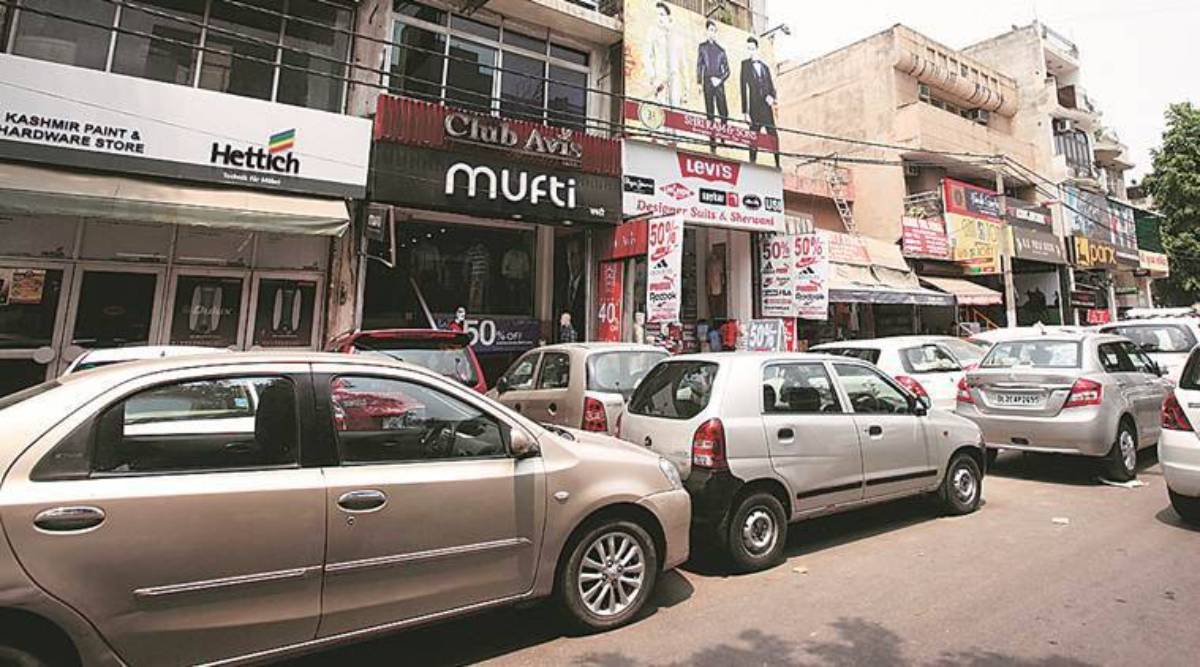
Indian cities face growing challenges from increasing car ownership, leading to conflicts over public space use, such as footpaths and roadsides being used for free parking. Mumbai's extensive investments in road expansions prioritize cars despite most commuters relying on public transport. Traffic congestion in Delhi-NCR highlights inefficiencies in urban mobility, with long commutes despite wide roads. Globally, the auto industry is shifting from globalization to regional dynamics amid regulatory and geopolitical changes affecting manufacturing and market access.

TBN's observations

First-hand measurement across 4 sources

We measured how 4 outlets covered this story. Coverage leans balanced overall (Left 26%, Centre 68%, Right 6%). Overall sentiment is neutral (45/100). Lens Score 26/100 — low public interest.

Outlets analysed (first-hand measurement by TBN's Bias Engine):

  • indianexpress— balanced framing, neutral sentiment
  • ndtv— balanced framing, neutral sentiment
  • ndtv— balanced framing, neutral sentiment
  • scrollin— left-leaning framing, neutral sentiment
Political Bias
26%68%6%
Sentiment
45%
AI analysis of 4 sources · Published under editorial oversight by The Balanced News
Analysed 13 Jul 2026· How this analysis is produced· Editorial standards· Corrections

AI Analysis

Political bias across 4 sources
● Left 26%● Center 68%● Right 6%

The articles collectively present perspectives emphasizing urban planning and transportation policy challenges without partisan framing. They highlight government infrastructure investments, regulatory decisions, and industry responses, reflecting concerns from public authorities, commuters, and industry leaders. The coverage includes critiques of current policies favoring car infrastructure over public transit and notes geopolitical influences on the auto sector, representing a range of institutional and societal viewpoints.

Sentiment — Neutral (45/100)

The overall tone is critical yet informative, focusing on the difficulties posed by rising car ownership and infrastructure choices in Indian cities, as well as uncertainties in the global auto industry. While highlighting frustrations such as traffic congestion and public space conflicts, the articles maintain a neutral stance by presenting factual developments and expert opinions without emotive language or sensationalism.

Reviewed byPrajakta Kale· Political Analyst· Edited byOjas Kale
← Previous
Ladakh to Establish Autonomous Hill Development Councils in All Seven Districts
Next →
DMK Files Complaint Alleging Horse Trading by Tamil Nadu's Ruling TVK Party

How 4 sources covered this story

Each source's own headline, political lean, and sentiment — so you can see framing differences at a glance.

SourceTheir headlineBiasSentiment
indianexpressIndia's biggest parking problem is that it's freeCenterNeutral
ndtvOpinion The End Of Commitment: Is The Auto Industry Global, Regional Or National Now?CenterNeutral
ndtvYour SUV's Most-Used Feature Is Now The Brake PedalCenterNeutral
scrollinMumbai is a commuter's city. Why is it building itself for cars?LeftNeutral

Coverage timeline

scrollin broke this story on 13 Jul, 03:32 am. Other outlets followed.

  1. 1
    scrollin13 Jul, 03:32 am
    Mumbai is a commuter's city. Why is it building itself for cars?
  2. 2
    ndtv13 Jul, 06:23 am
    Your SUV's Most-Used Feature Is Now The Brake Pedal
  3. 3
    ndtv13 Jul, 01:47 pm
    Opinion The End Of Commitment: Is The Auto Industry Global, Regional Or National Now?
  4. 4
    indianexpress13 Jul, 02:35 pm
    India's biggest parking problem is that it's free

Lens Score breakdown

26/100
Public interest0/100
Coverage gap90%

Well-covered story — coverage matches public importance.

Who's involved

Institutions and figures named across source coverage.

Government
Maharashtra GovernmentUnion environment ministrySupreme CourtGovernment of IndiaMaharashtra Coastal Zone Management AuthorityMumbai Metropolitan Region Development AuthorityBengaluru Municipal AuthoritiesDelhi Municipal AuthoritiesAhmedabad City Municipal CorporationOdisha State Government
Corporate
GeelySuzukiBajajMG MotorVolvoBYDPolestarGreat Wall MotorsJSW MG MotorTVS
Judiciary
Supreme Court

Story context

Category
Politics
Location
Mumbai, India
Sources analysed
4
Last analysed
13 Jul 2026
Key entities
IndiaCarBangaloreMumbaiMotorcycleParking lotDelhiPuneAhmedabadNew DelhiCommutingAuto rickshaw