US Supreme Court Upholds State Bans on Transgender Girls in Female School Sports
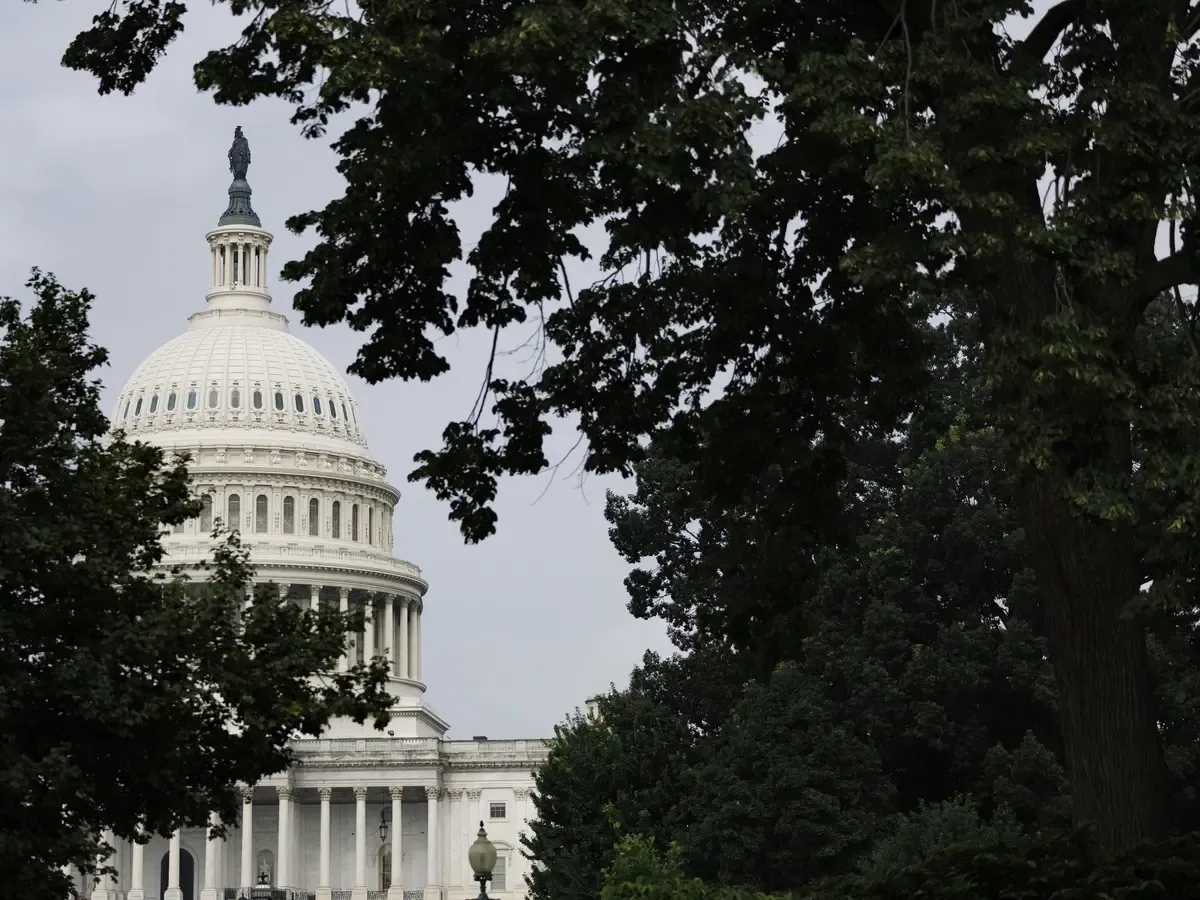
The US Supreme Court upheld state laws in Idaho and West Virginia that bar transgender girls and women from competing in female school sports, ruling these bans do not violate the Constitution or Title IX. The 6-3 decision overturns lower court rulings favoring transgender athletes and is expected to influence similar laws in over two dozen Republican-led states. The ruling leaves unresolved challenges to policies in states allowing transgender participation consistent with gender identity.
First-hand measurement across 10 sources
We measured how 10 outlets covered this story. Coverage leans balanced overall (Left 26%, Centre 67%, Right 7%). Overall sentiment is neutral (39/100). Lens Score 24/100 — low public interest.
Outlets analysed (first-hand measurement by TBN's Bias Engine):
- thetelegraph— balanced framing, neutral sentiment
- mint— balanced framing, neutral sentiment
- freepressjournal— balanced framing, neutral sentiment
- indiatoday— balanced framing, neutral sentiment
- news18— left-leaning framing, neutral sentiment
- firstpost— balanced framing, neutral sentiment
- timesnow— balanced framing, neutral sentiment
- indianexpress— balanced framing, neutral sentiment
AI Analysis
The article group reflects a range of perspectives, primarily highlighting the conservative majority's support for state bans on transgender athletes in female sports, emphasizing legal and fairness arguments. It also notes opposition viewpoints concerned with discrimination and transgender rights. Coverage includes references to political contexts, such as Republican-led states' policies and prior court decisions, presenting both legal reasoning and social implications without overt editorializing.
The overall tone across the articles is neutral to mixed, focusing on the legal and policy aspects of the Supreme Court ruling. While the decision is described as a setback for transgender rights, the coverage maintains a factual approach, presenting arguments from both supporters and opponents of the bans. The sentiment reflects the contentious nature of the issue without adopting a predominantly positive or negative stance.