Tibetan Activist Dies After Self-Immolation Outside UN Headquarters in New York
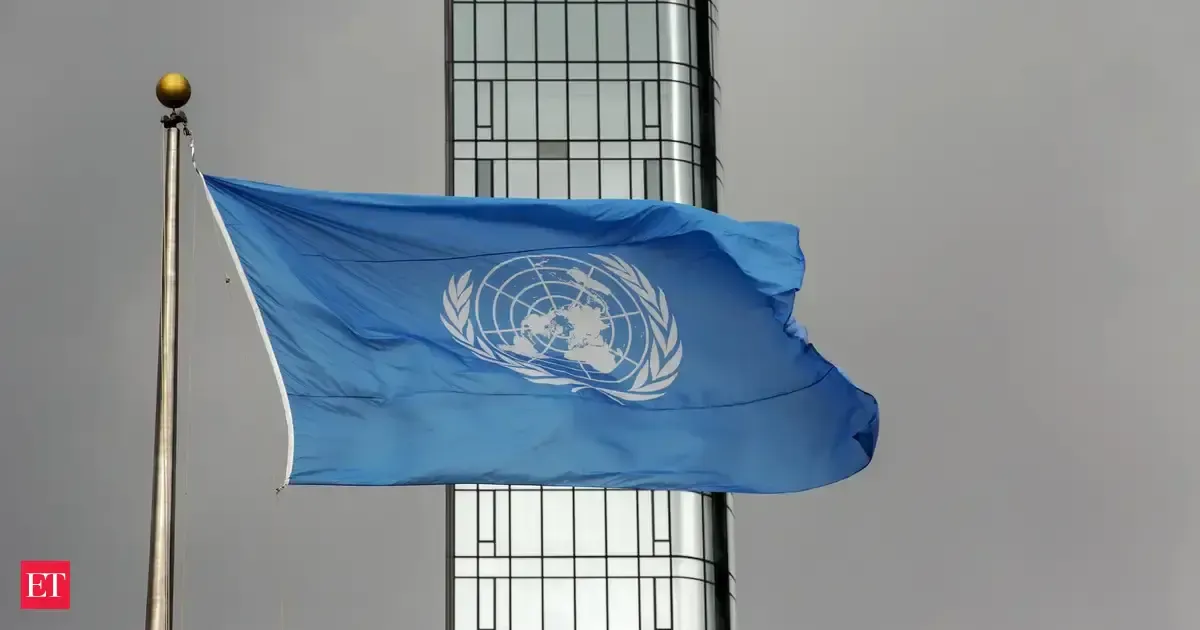
A Tibetan man identified as Lobga Rangzen died after self-immolating outside the United Nations headquarters in New York City on Thursday evening. Wearing monastic robes and carrying a Tibetan flag, Rangzen reportedly livestreamed an appeal for Tibetan independence before setting himself on fire near First Avenue and 42nd Street. Despite rapid emergency response, he succumbed to severe burns at Bellevue Hospital. Authorities are investigating the incident, which highlights ongoing tensions over China's governance of Tibet and recent ethnic unity legislation.
First-hand measurement across 12 sources
We measured how 12 outlets covered this story. Coverage leans balanced overall (Left 36%, Centre 63%, Right 1%). Overall sentiment is negative (25/100). Lens Score 28/100 — low public interest.
Outlets analysed (first-hand measurement by TBN's Bias Engine):
- wion— balanced framing, negative sentiment
- indianexpress— left-leaning framing, negative sentiment
- zeenews— left-leaning framing, negative sentiment
- ndtv— balanced framing, negative sentiment
- thehindu— left-leaning framing, negative sentiment
- thetribune— balanced framing, negative sentiment
- english— balanced framing, negative sentiment
- freepressjournal— balanced framing, negative sentiment
AI Analysis
The article group presents perspectives primarily from Tibetan activists and exile community sources emphasizing protest against Chinese rule, alongside official statements from New York police and the United Nations. Coverage includes China's historical claims over Tibet and its ethnic unity law, reflecting both Tibetan dissent and Chinese government positions indirectly. The framing remains factual, with no overt editorializing, representing both protest motivations and official responses.
The overall tone across the articles is somber and factual, focusing on the tragic nature of the self-immolation and its political context. While the incident is described with gravity and respect for the individual’s motives, the coverage avoids sensationalism, maintaining a neutral and serious sentiment. The inclusion of background on Tibet-China relations adds context without emotive language, resulting in a balanced and measured tone.