Federal Reserve Study Links Biden-Era Immigration Surge to US Housing Cost Increases
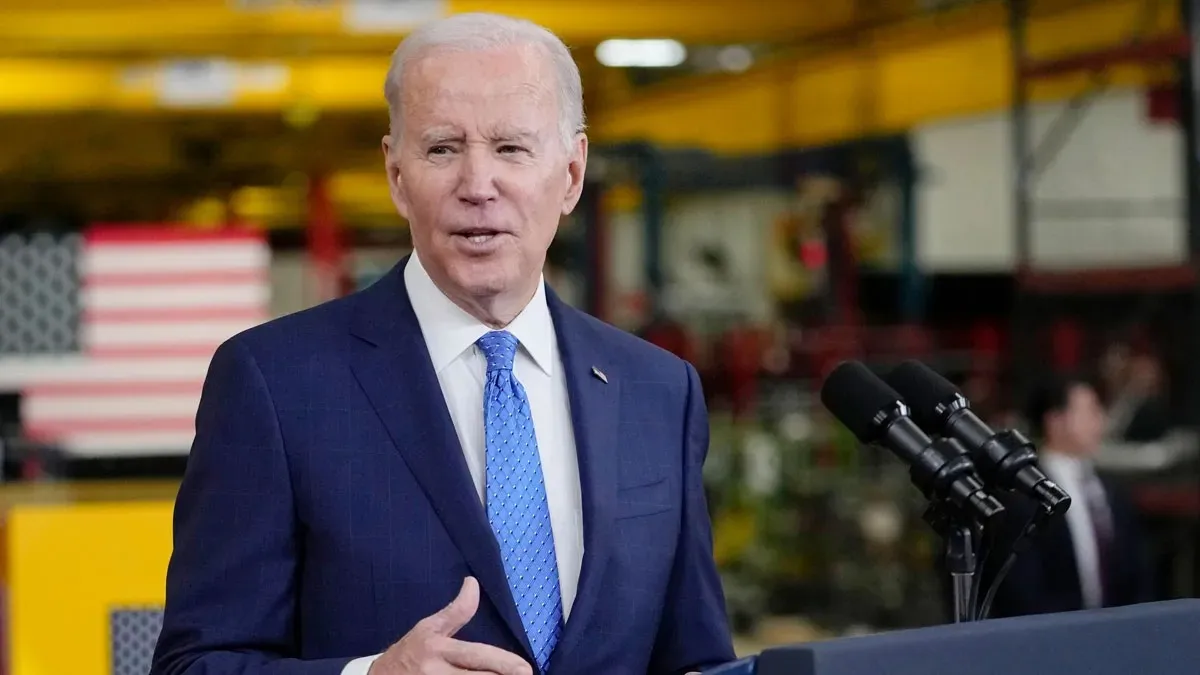
A Federal Reserve study examined the impact of a surge in undocumented immigration to the US between 2021 and 2024, finding that while the influx helped increase local employment without significantly lowering wages, it also intensified housing demand, raising property prices by about 2.2% and rents by 1.4% in affected cities. The study notes limited new housing construction during this period and emphasizes that its findings are preliminary and do not represent official Federal Reserve positions. The immigration debate remains politically divided over economic and housing effects.
First-hand measurement across 2 sources
We measured how 2 outlets covered this story. Coverage leans balanced overall (Left 20%, Centre 72%, Right 8%). Overall sentiment is neutral (48/100). Lens Score 35/100 — moderate-to-low public interest.
Outlets analysed (first-hand measurement by TBN's Bias Engine):
- oneindia— balanced framing, neutral sentiment
- thetribune— balanced framing, neutral sentiment
AI Analysis
The articles present perspectives from both Republican and Democratic viewpoints: Republicans criticize Biden-era immigration policies for straining housing and infrastructure, while Democrats highlight the role of immigrants in addressing labor shortages and supporting economic growth. The study itself is framed as preliminary and neutral, with caution against attributing housing cost rises solely to immigration, reflecting an effort to balance political narratives.
The overall tone across the articles is mixed and analytical, focusing on empirical findings without overtly positive or negative language. While acknowledging increased housing costs linked to immigration, the coverage also notes employment benefits and the study's preliminary status, resulting in a balanced sentiment that reflects ongoing debate rather than definitive conclusions.