Trump Alleges China Accessed 220 Million US Voter Files in 2020 Election Data Breach
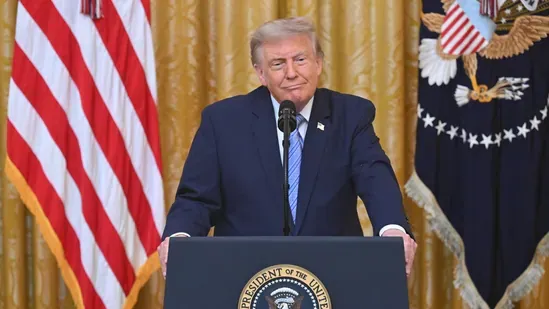
US President Donald Trump alleged that China conducted the largest compromise of US election data in history, acquiring 220 million voter files during the 2020 election cycle. He described this as an unprecedented election security threat and called for an FBI investigation. Trump also accused intelligence officials of suppressing information. China denied the allegations, and previous US intelligence reports found no evidence of interference. Multiple audits and court cases have not substantiated claims of election fraud.
First-hand measurement across 5 sources
We measured how 5 outlets covered this story. Coverage leans balanced overall (Left 24%, Centre 74%, Right 2%). Overall sentiment is neutral (34/100). Lens Score 32/100 — low public interest.
Outlets analysed (first-hand measurement by TBN's Bias Engine):
- swarajyamag— left-leaning framing, negative sentiment
- indianexpress— balanced framing, neutral sentiment
- hindustantimes— balanced framing, neutral sentiment
- news18— left-leaning framing, negative sentiment
- economictimes— balanced framing, negative sentiment
AI Analysis
The article group primarily reflects perspectives aligned with former President Trump, emphasizing his claims of Chinese interference and election data compromise. It also includes responses from Chinese officials denying the allegations and references to US intelligence assessments that contradict Trump's claims. The coverage balances Trump's assertions with official denials and prior investigations, representing both the accuser's viewpoint and counterarguments.
The overall tone across the articles is serious and cautious, focusing on the gravity of the allegations without endorsing them. While Trump's statements convey concern and urgency about election security, the inclusion of denials from China and references to intelligence reports introduces skepticism. The sentiment is mixed, combining alarm over alleged breaches with measured reporting on the lack of corroborating evidence.