Ram Temple Chairman Highlights Lapses in Donation Handling and Calls for Management Reforms
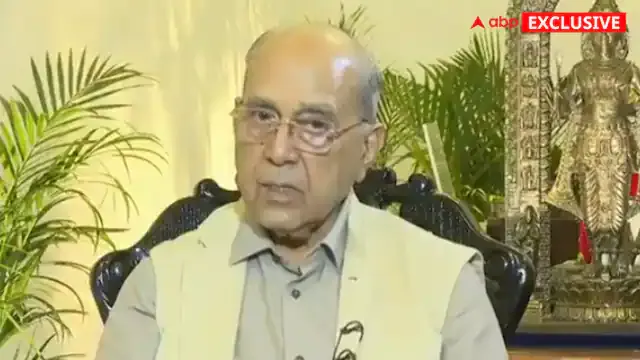
Nripendra Misra, chairman of the Ram Temple Construction Committee, has highlighted serious lapses in the handling and counting of donations at the Ayodhya Ram Temple, citing lack of vigilance and oversight. He pointed to the bank's failure to fulfill its responsibilities during the counting process and emphasized that the 44-member cash-counting staff bears primary responsibility. Misra expressed concern over shaken devotee faith and advocated appointing an experienced full-time CEO to improve temple administration and transparency amid ongoing investigations by the Special Investigation Team.
First-hand measurement across 7 sources
We measured how 7 outlets covered this story. Coverage leans balanced overall (Left 12%, Centre 73%, Right 15%). Overall sentiment is neutral (35/100). Lens Score 41/100 — moderate-to-low public interest.
Outlets analysed (first-hand measurement by TBN's Bias Engine):
- hindustantimes— balanced framing, neutral sentiment
- indiatoday— balanced framing, negative sentiment
- english— balanced framing, neutral sentiment
- english— balanced framing, neutral sentiment
- thehindu— balanced framing, neutral sentiment
- indianexpress— balanced framing, neutral sentiment
- news18— balanced framing, neutral sentiment
AI Analysis
The article group primarily presents the perspective of Nripendra Misra, a former IAS officer and chairman of the Ram Temple Construction Committee, focusing on administrative and procedural issues related to donation handling. The coverage includes official viewpoints and investigative developments without partisan framing. It reflects concerns about institutional accountability and management reforms, representing an administrative and governance-focused narrative rather than political debate.
The overall tone across the articles is serious and concerned, reflecting disappointment over alleged misappropriation and procedural failures. While the sentiment acknowledges the gravity of the situation and its impact on devotees' trust, it remains measured and factual, emphasizing the need for corrective actions and improved oversight rather than assigning blame or expressing outrage.