Israel Rejects US-Iran Deal, Affirms Sovereignty and Military Presence in Lebanon
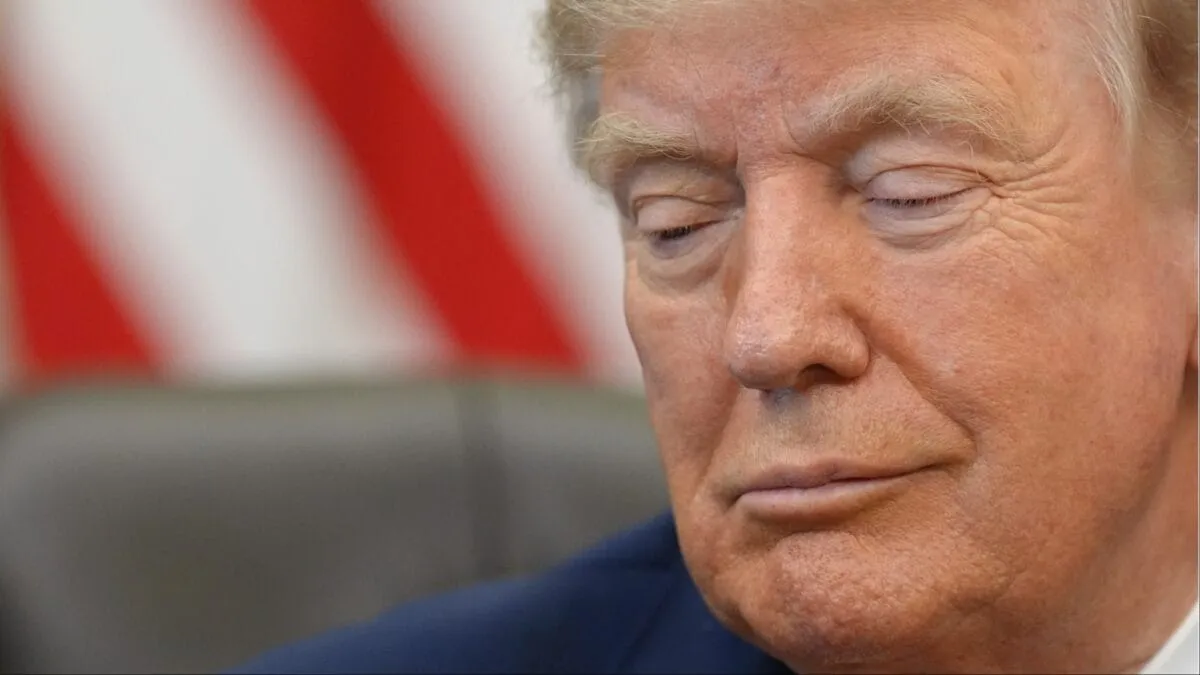
Israel's National Security Minister Itamar Ben-Gvir publicly rejected the US-Iran agreement brokered by President Trump, asserting that Israel remains sovereign and is not bound by the deal. He emphasized that Israel will maintain its military presence in Lebanon and will not withdraw from territories captured there, citing security concerns and past experiences where international pressure compromised Israeli safety. While expressing appreciation for the US and Trump, Israeli officials, including Defence Minister Israel Katz, stressed that security decisions will be made independently, with a firm stance against concessions to Iran-backed groups like Hezbollah.
First-hand measurement across 12 sources
We measured how 12 outlets covered this story. Coverage leans balanced overall (Left 11%, Centre 72%, Right 17%). Overall sentiment is neutral (41/100). Lens Score 31/100 — low public interest.
Outlets analysed (first-hand measurement by TBN's Bias Engine):
- freepressjournal— balanced framing, neutral sentiment
- english— balanced framing, negative sentiment
- wion— right-leaning framing, neutral sentiment
- hindustantimes— balanced framing, neutral sentiment
- thestatesman— balanced framing, neutral sentiment
- opindia— balanced framing, neutral sentiment
- indiatoday— balanced framing, neutral sentiment
- thehindu— balanced framing, neutral sentiment
AI Analysis
The article group predominantly reflects Israeli government perspectives, especially those of far-right National Security Minister Itamar Ben-Gvir and Defence Minister Israel Katz, emphasizing national sovereignty and security concerns. While sources note appreciation for the US and President Trump, the coverage centers on Israel's rejection of the US-Iran agreement and refusal to alter military posture, with limited representation of opposing or Iranian viewpoints.
The overall tone across the articles is critical and firm regarding the US-Iran deal from Israel's standpoint, highlighting skepticism and rejection of the agreement's implications for Israeli security. Expressions of gratitude toward the US coexist with strong warnings against concessions, resulting in a predominantly cautious and resolute sentiment without overt negativity or hostility.