Israel Rejects US-Iran Peace Deal, Affirms Sovereign Security Decisions and Lebanon Stance
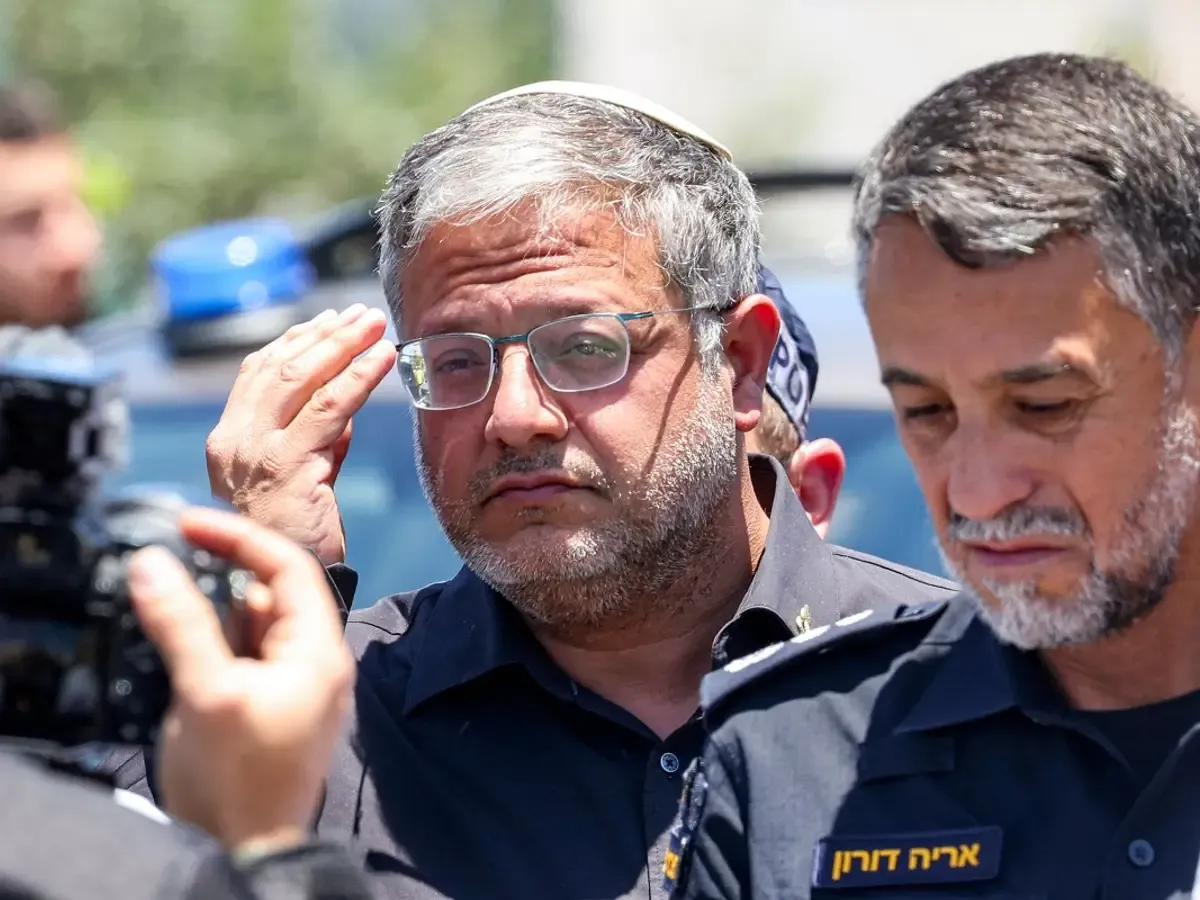
Israel's National Security Minister Itamar Ben-Gvir publicly rejected the US-Iran peace agreement brokered by President Trump, asserting that Israel is a sovereign nation not bound by the deal. Israeli officials emphasized maintaining military presence in Lebanon and continuing operations against Hezbollah, opposing any withdrawal or concessions. While expressing appreciation for the US and Trump, Israel stressed its independent security decisions amid regional tensions. Israeli Ambassador Reuven Azar noted Lebanon is not part of the agreement and that Israel has yet to review the deal's full text.
First-hand measurement across 15 sources
We measured how 15 outlets covered this story. Coverage leans balanced overall (Left 11%, Centre 67%, Right 22%). Overall sentiment is neutral (42/100). Lens Score 31/100 — low public interest.
Outlets analysed (first-hand measurement by TBN's Bias Engine):
- ndtv— balanced framing, neutral sentiment
- ndtv— balanced framing, neutral sentiment
- thetribune— balanced framing, neutral sentiment
- economictimes— balanced framing, neutral sentiment
- thetribune— balanced framing, neutral sentiment
- theprint— right-leaning framing, neutral sentiment
- freepressjournal— balanced framing, neutral sentiment
- english— balanced framing, negative sentiment
AI Analysis
The article group predominantly reflects Israeli government perspectives, especially those of far-right National Security Minister Itamar Ben-Gvir and other officials emphasizing sovereignty and security concerns. US viewpoints are indirectly represented through references to President Trump's role in brokering the deal. Iranian perspectives are minimally included, mainly through reported reactions. The coverage highlights tensions between Israel and the US over the agreement without favoring any side.
The overall tone across the articles is critical and cautious, focusing on Israel's rejection of the US-Iran deal and concerns about national security. While there is appreciation expressed towards the US and President Trump, the sentiment remains firm and defensive regarding Israel's independent stance. The coverage conveys a mix of skepticism about the agreement's impact and determination to maintain military positions, resulting in a predominantly serious and guarded sentiment.