West Bengal Transfers First Annapurna Yojana Funds to 1.1 Crore Women; 26 Lakh Applications Rejected
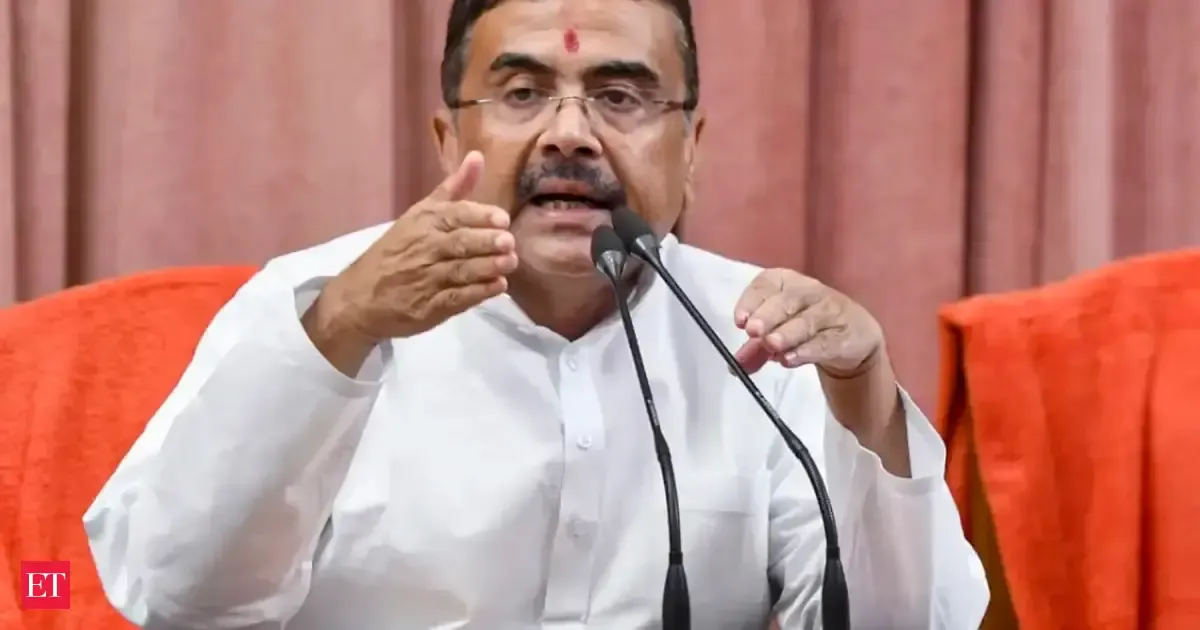
West Bengal Chief Minister Suvendu Adhikari announced that the first tranche of the Annapurna Yojana, a monthly Rs 3,000 financial aid scheme for women, was transferred to nearly 1.1 crore beneficiaries. Of the 1.6 crore applications received, around 26 lakh were rejected after scrutiny over citizenship, domicile status, deaths, and multiple accounts. The scheme replaces the previous Lakshmir Bhandar programme. The government emphasized verification to prevent fund misuse, while the opposition raised concerns over the reduction in beneficiaries.
First-hand measurement across 11 sources
We measured how 11 outlets covered this story. Coverage leans balanced overall (Left 22%, Centre 51%, Right 27%). Overall sentiment is neutral (60/100). Lens Score 35/100 — moderate-to-low public interest.
Outlets analysed (first-hand measurement by TBN's Bias Engine):
- news18— balanced framing, neutral sentiment
- thetelegraph— balanced framing, neutral sentiment
- theprint— left-leaning framing, negative sentiment
- indianexpress— balanced framing, neutral sentiment
- indianexpress— balanced framing, positive sentiment
- english— balanced framing, neutral sentiment
- economictimes— balanced framing, neutral sentiment
- hindustantimes— right-leaning framing, neutral sentiment
AI Analysis
The article group presents perspectives from both the ruling BJP government and the opposition TMC. BJP sources emphasize the need for strict verification to ensure funds reach eligible Indian women, highlighting the rejection of applications due to citizenship and other eligibility concerns. Opposition voices question the significant reduction in beneficiaries compared to the previous scheme, suggesting potential exclusion of rightful recipients. Coverage includes official statements and critical responses, reflecting a balanced political framing.
The overall sentiment is mixed, combining positive coverage of the scheme's rollout and fund disbursement with critical viewpoints regarding the rejection of a large number of applications. Government sources express confidence in the verification process and the scheme's benefits, while opposition sources convey concern about possible exclusion and impact on women. The tone remains factual and measured, avoiding sensationalism.