Dhirendra Shastri's 'Friendship Jihad' Remarks Stir Debate Ahead of Elections
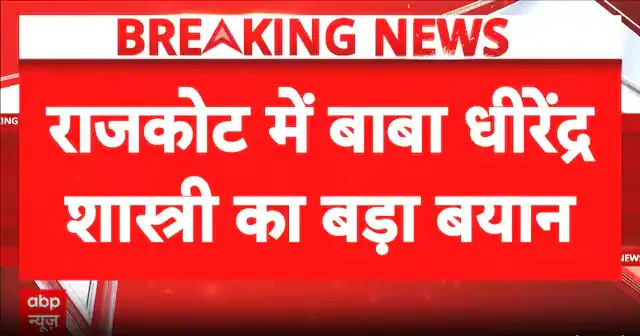
Religious preacher Dhirendra Shastri sparked controversy with remarks about a new form of 'friendship jihad' during speeches in Rajkot and Uttar Pradesh, linking it to a recent murder case in Ghaziabad. He referenced earlier terms like 'love jihad' and 'land jihad,' alleging social and religious challenges in parts of India and advocating 'ghar wapsi' efforts. His statements have drawn criticism from opposition leaders who warn they may inflame communal tensions ahead of upcoming elections, while supporters view them as addressing social issues.
First-hand measurement across 2 sources
We measured how 2 outlets covered this story. Coverage leans centre-left overall (Left 45%, Centre 35%, Right 20%). Overall sentiment is negative (32/100). Lens Score 31/100 — low public interest.
Outlets analysed (first-hand measurement by TBN's Bias Engine):
- english— left-leaning framing, negative sentiment
- english— balanced framing, neutral sentiment
AI Analysis
The articles present perspectives from both supporters and critics of Dhirendra Shastri's remarks. Supporters frame his comments as highlighting social and religious concerns, while opposition voices criticize the language as inflammatory and divisive, especially in the electoral context. Coverage reflects the political tensions in Uttar Pradesh and Gujarat, with emphasis on communal narratives and election-related implications.
The overall tone is mixed, combining factual reporting of Shastri's statements with critical reactions from opposition leaders. While the preacher's remarks are presented neutrally, the articles highlight concerns about potential social discord and political controversy, reflecting a balance between reporting the statements and their contentious reception.
How 2 sources covered this story
Each source's own headline, political lean, and sentiment — so you can see framing differences at a glance.