Delhi Advances Electric Vehicle Policy Amid Transition Challenges and Stakeholder Concerns
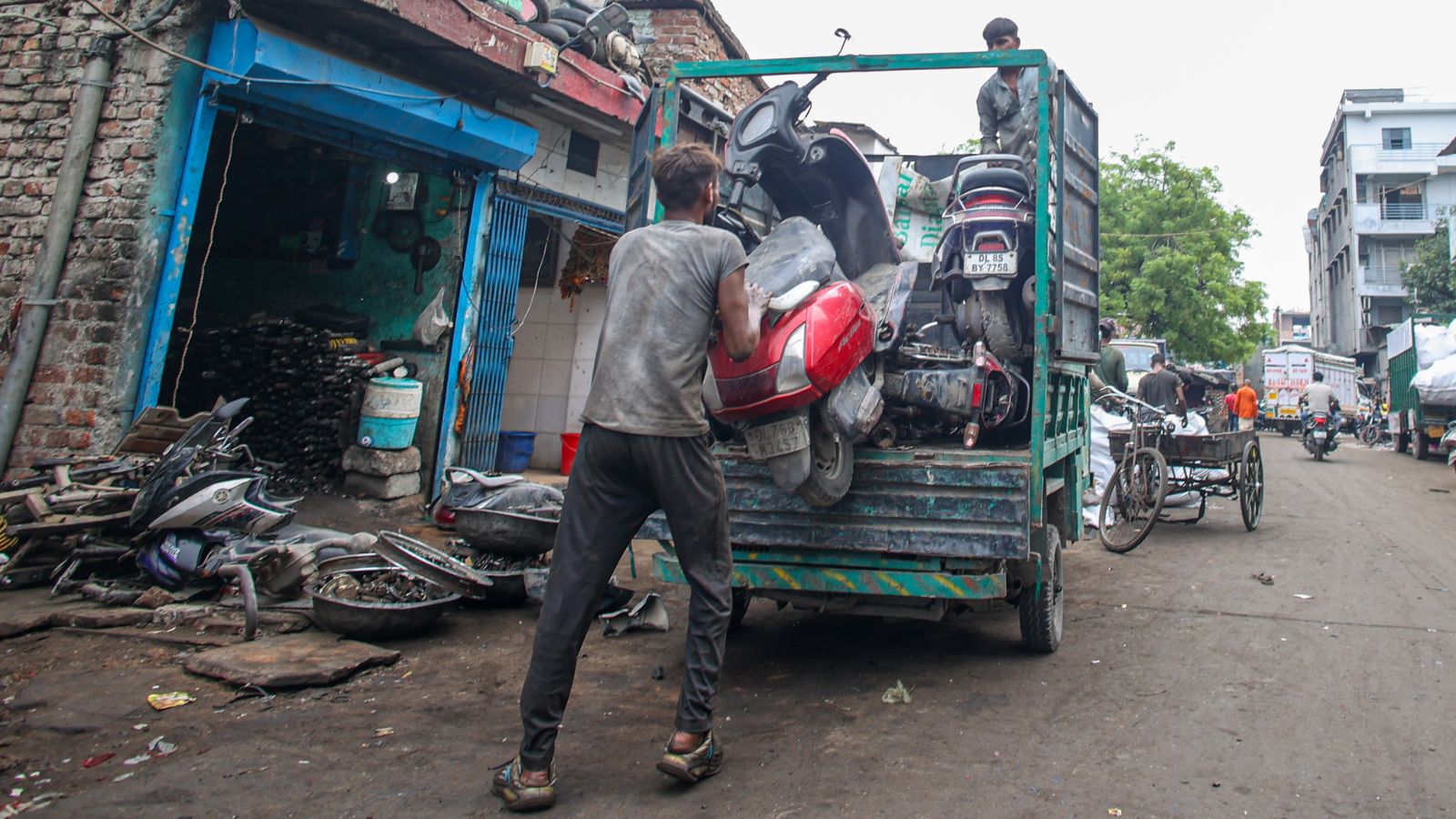
Delhi's new electric vehicle (EV) policy aims to phase out petrol two-wheelers by April 2028 to reduce air pollution, promoting electric two- and three-wheelers with incentives and infrastructure expansion. While consumer interest in EVs is growing, challenges include limited charging infrastructure, dealer concerns over aggressive timelines, and potential livelihood impacts on traditional petrol vehicle mechanics. Experts note the need for a sustainable ecosystem involving manufacturing, grid capacity, and phased implementation to ensure a smooth transition.
First-hand measurement across 7 sources
We measured how 7 outlets covered this story. Coverage leans balanced overall (Left 16%, Centre 79%, Right 5%). Overall sentiment is neutral (60/100). Lens Score 36/100 — moderate-to-low public interest.
Outlets analysed (first-hand measurement by TBN's Bias Engine):
- thefinancialexpress— balanced framing, positive sentiment
- thehindu— balanced framing, neutral sentiment
- thefinancialexpress— balanced framing, neutral sentiment
- indianexpress— balanced framing, positive sentiment
- indianexpress— balanced framing, neutral sentiment
- indianexpress— balanced framing, neutral sentiment
- indianexpress— balanced framing, neutral sentiment
AI Analysis
The article group presents a range of perspectives including government initiatives promoting EV adoption, industry and dealer apprehensions about the transition timeline, and concerns from workers affected by the shift away from petrol vehicles. Coverage includes expert analysis on infrastructure and environmental goals, reflecting a balanced view of policy ambitions and practical challenges without favoring any political stance.
The overall tone is mixed, combining optimism about environmental benefits and growing consumer interest with caution regarding infrastructure readiness, economic impacts on traditional vehicle sectors, and the feasibility of policy deadlines. The articles convey both enthusiasm for cleaner transport and the uncertainties faced by stakeholders adapting to the transition.