Skip to content
Get the Balanced News app for a better experience!
The Balanced News Logo
Analytics
The Balanced News Logo

Stay Balanced, Stay Informed

Menu
  • Browse News
  • Underreported Stories
  • Curated Feeds
  • Insights
  • Analytics
  • Our Writers
  • About Us
  • Download App
Learn
  • How It Works
  • Bias Detection
  • Lens Score
  • Source Bias Checker
  • Accountability
  • Custom Feeds
Newsroom
  • Writers & Analysts
  • About TBN
  • Editorial Standards
  • Corrections Policy
  • Our Partners
  • Insights
Socials
  • Youtube
  • Instagram
  • X
  • Facebook
News Categories
  • Trending
  • Politics
  • Sports
  • Business
  • Tech
  • Entertainment
  • Health
  • Science
  • Crime
  • Lifestyle
  • National
  • International
  • Good News
  • Crypto

Get Our App

Available for iOS and Android


LensFeedsInsightsAnalyticsTrendingGood NewsSportsPoliticsBusinessCrimeTechEntertainmentHealthNationalInternational

© 2026 The Balanced News. All rights reserved.

About UsEditorial StandardsCorrectionsHelp & SupportPrivacy PolicyTerms & Conditions
US Expands Social Media Screening to Additional Visa Categories from October 1, 2026
Categories

Categories

Related Coverage

Select a news story to see related coverage from other media outlets.

Related Coverage

Select a news story to see related coverage from other media outlets.

  1. Home
  2. /
  3. Politics

US Expands Social Media Screening to Additional Visa Categories from October 1, 2026

Analysed 23 Sept 2026·2 sources analysed·Tennessee, United States·Politics
US Expands Social Media Screening to Additional Visa Categories from October 1, 2026PreviousNext

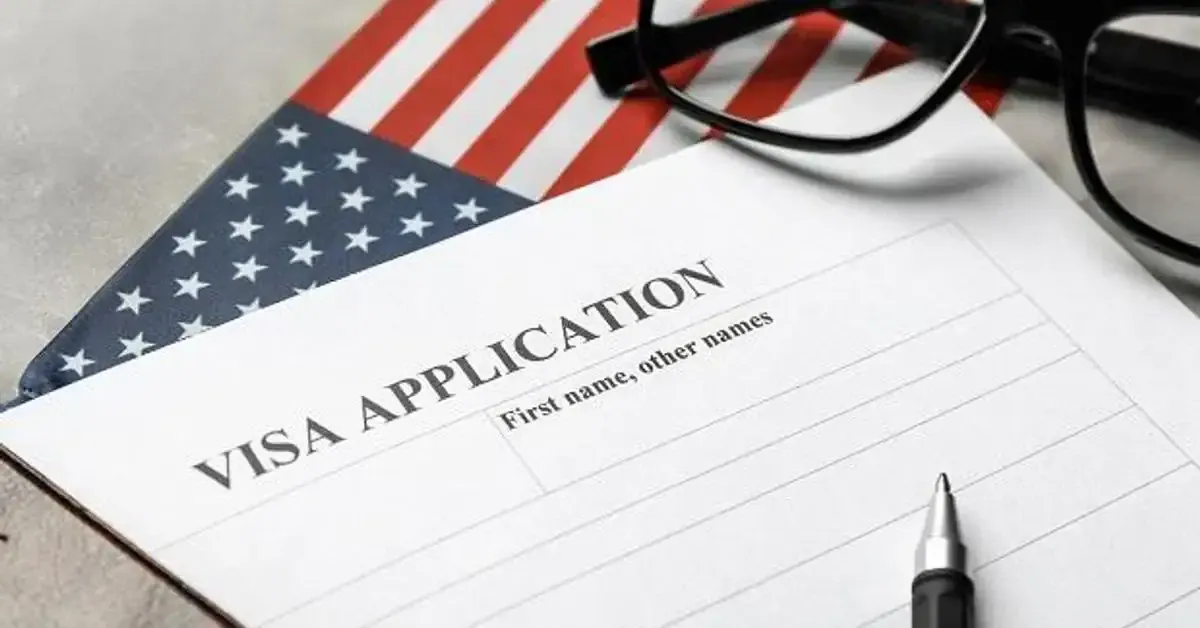
Starting October 1, 2026, the US State Department will expand social media screening to include applicants for I visas (foreign media representatives), TN visas (USMCA professionals from Canada and Mexico), and TD visas (their dependents). These applicants must make their social media profiles public for review as part of visa eligibility and security assessments. This expansion adds to existing categories already subject to online presence checks, aiming to enhance vetting without automatically denying visas based on online content.

Sentiment
50%
TBN's observations

First-hand measurement across 2 sources

We measured how 2 outlets covered this story. No outlet gave this story a measurable political slant — there is no left–right reading to report. Overall sentiment is neutral (50/100). Lens Score 40/100.

Outlets measured: businessstandard, hindustantimes. See how each one headlined and framed the same story in the source comparison below.

AI analysis of 2 sources · Published under editorial oversight by The Balanced News
Analysed 23 Sept 2026· How this analysis is produced· Editorial standards· Corrections

AI Analysis

Sentiment — Neutral (50/100)

Sentiment was consistent across outlets (50–50/100), indicating broadly factual reporting rather than editorialising.

Coverage timeline

hindustantimes broke this story on 23 Sept, 04:41 am. Other outlets followed.

23 Sept, 04:41 am2 sources · 3 h23 Sept, 07:34 am
AI analysis by the TBN Bias Engine · beat methodology byPrajakta Kale· Political Analyst· editorial standards byOjas Kale
← Previous
Shehbaz Sharif's 2025 UN Speech on Terrorism Resurfaces Ahead of 2026 Address
Next →
Supreme Court Rejects PIL Seeking Removal of Anti-National Social Media Content
1
hindustantimes23 Sept, 04:41 am
New US visa rules from October 1: Which applicants must make social media profiles public?
  • 2
    businessstandard23 Sept, 07:34 am
    US expands social media screening to 3 more visa categories from Oct 1
  • Who's involved

    Institutions and figures named across source coverage.

    Government
    United States Department of State

    Story context

    Category
    Politics
    Location
    Tennessee, United States
    Sources analysed
    2
    Last analysed
    23 Sept 2026
    Key entities
    Travel visaSocial mediaUnited States Department of StateUnited States–Mexico–Canada AgreementVisa policy of the United StatesTN statusTennesseeH-1B visaNational securityMexicoCanadaH-3 visa