States Lag in Implementing Supreme Court-Directed Trauma Care System for Road Safety
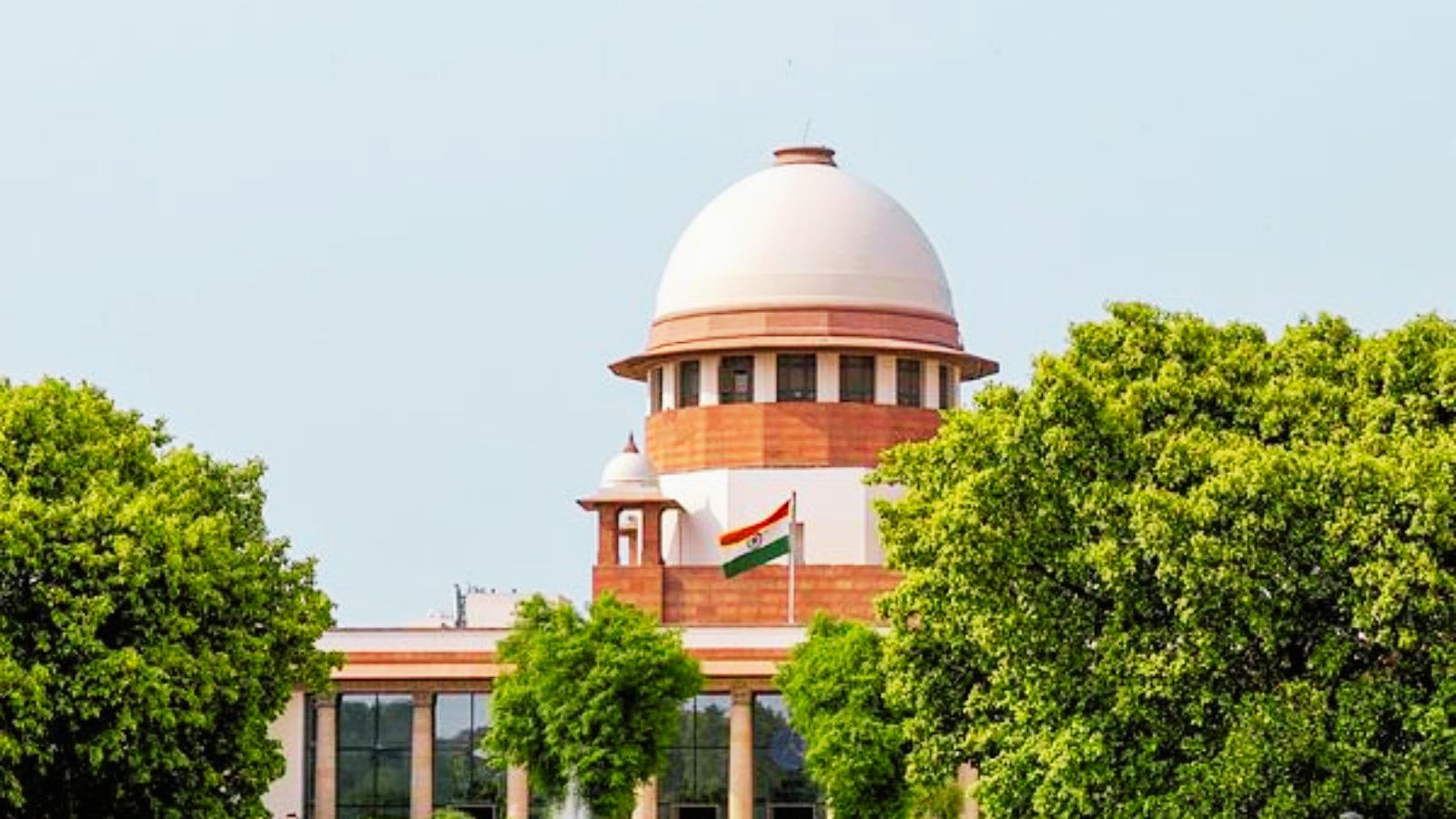
India records about 1.77 lakh annual road fatalities, with no state fully implementing the Supreme Court's mandated trauma care system. Key measures include a unified emergency number (112), GPS-equipped ambulances, Good Samaritan laws, trauma registries, and rescue protocols. Challenges cited are poor inter-agency coordination, multiple emergency numbers, and lack of standard procedures. Some integration progress exists, such as partial linking of highway helpline 1033 with 112, but comprehensive resource deployment remains incomplete across states.
First-hand measurement across 3 sources
We measured how 3 outlets covered this story. Coverage leans balanced overall (Left 17%, Centre 78%, Right 5%). Overall sentiment is negative (37/100). Lens Score 43/100.
Outlets measured: httpswwwoutlookindiacom, indianexpress, indianexpress. See how each one headlined and framed the same story in the source comparison below.
AI Analysis
All 3 outlets scored close to centre on political lean. The real divergence here is in emphasis, not lean — compare the headlines below to see how each outlet chose to frame the same facts.
Sentiment was consistent across outlets (35–40/100), indicating broadly factual reporting rather than editorialising.
Coverage timeline
indianexpress broke this story on 26 Jun, 12:08 am. Other outlets followed.