Supreme Court Upholds Private Medical College Fees, Highlights Financial Differences with Government Institutions
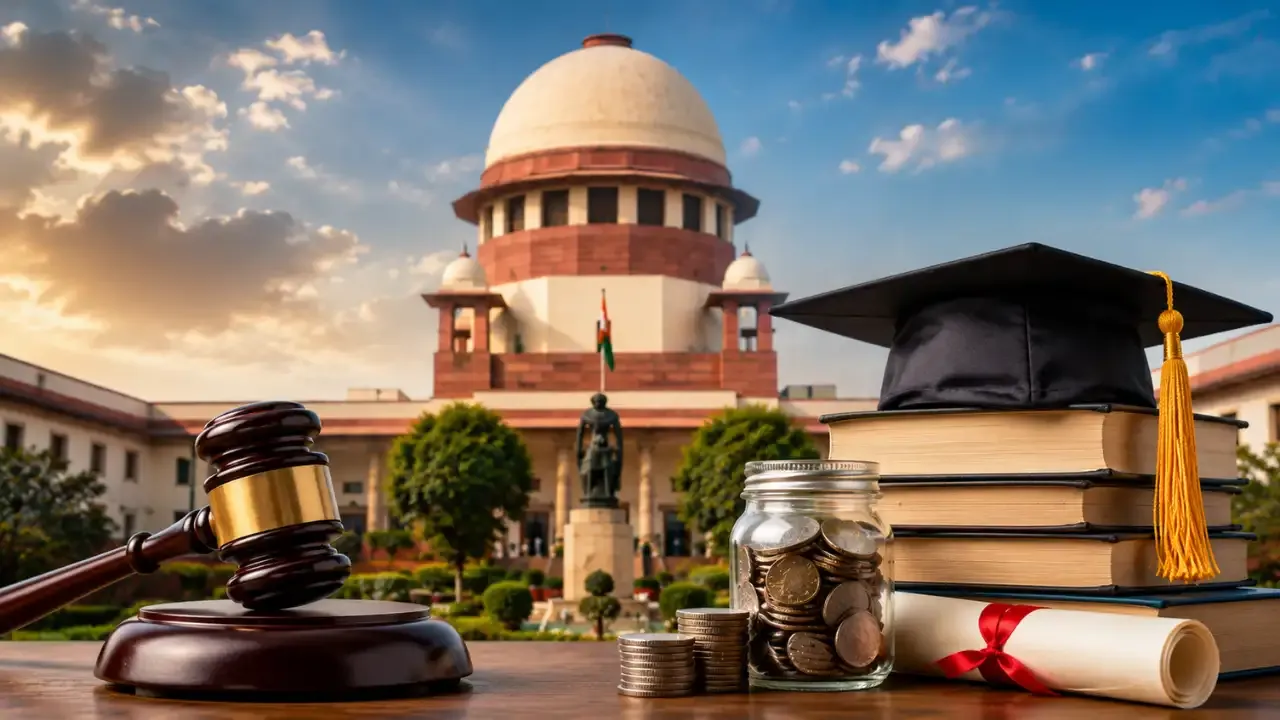
The Supreme Court rejected a plea challenging the high tuition fees of private medical colleges, which range from approximately Rs 18.9 lakh to Rs 25 lakh, arguing they are inconsistent with the Economically Weaker Sections (EWS) income ceiling of Rs 8 lakh. The court emphasized that private and government colleges operate under different financial models, with private institutions being self-financed and government colleges receiving state grants. It suggested scholarships as an alternative for those unable to pay and upheld a Rajasthan High Court ruling on the fee structure, leaving broader affordability issues open for future cases.
First-hand measurement across 3 sources
We measured how 3 outlets covered this story. Coverage leans balanced overall (Left 23%, Centre 72%, Right 5%). Overall sentiment is neutral (45/100). Lens Score 32/100 — low public interest.
Outlets analysed (first-hand measurement by TBN's Bias Engine):
- freepressjournal— balanced framing, neutral sentiment
- indiatoday— balanced framing, neutral sentiment
- timesnow— balanced framing, neutral sentiment
AI Analysis
The articles present a judicial perspective emphasizing legal and financial distinctions between private and government medical colleges without political framing. They include the petitioner’s concerns about affordability and EWS eligibility, alongside the court’s rationale defending private institutions’ fee structures. The coverage reflects a neutral legal discourse focusing on institutional financial models and access to education.
The tone across the articles is largely neutral and factual, focusing on the Supreme Court’s legal reasoning and the petitioner’s challenge. While the petitioner’s concerns highlight affordability issues, the court’s decision and remarks about scholarships and institutional differences maintain an objective stance without emotive language or overt criticism.
How 3 sources covered this story
Each source's own headline, political lean, and sentiment — so you can see framing differences at a glance.